
Berlin ballot initiatives fall short as mayor shifts to social promises
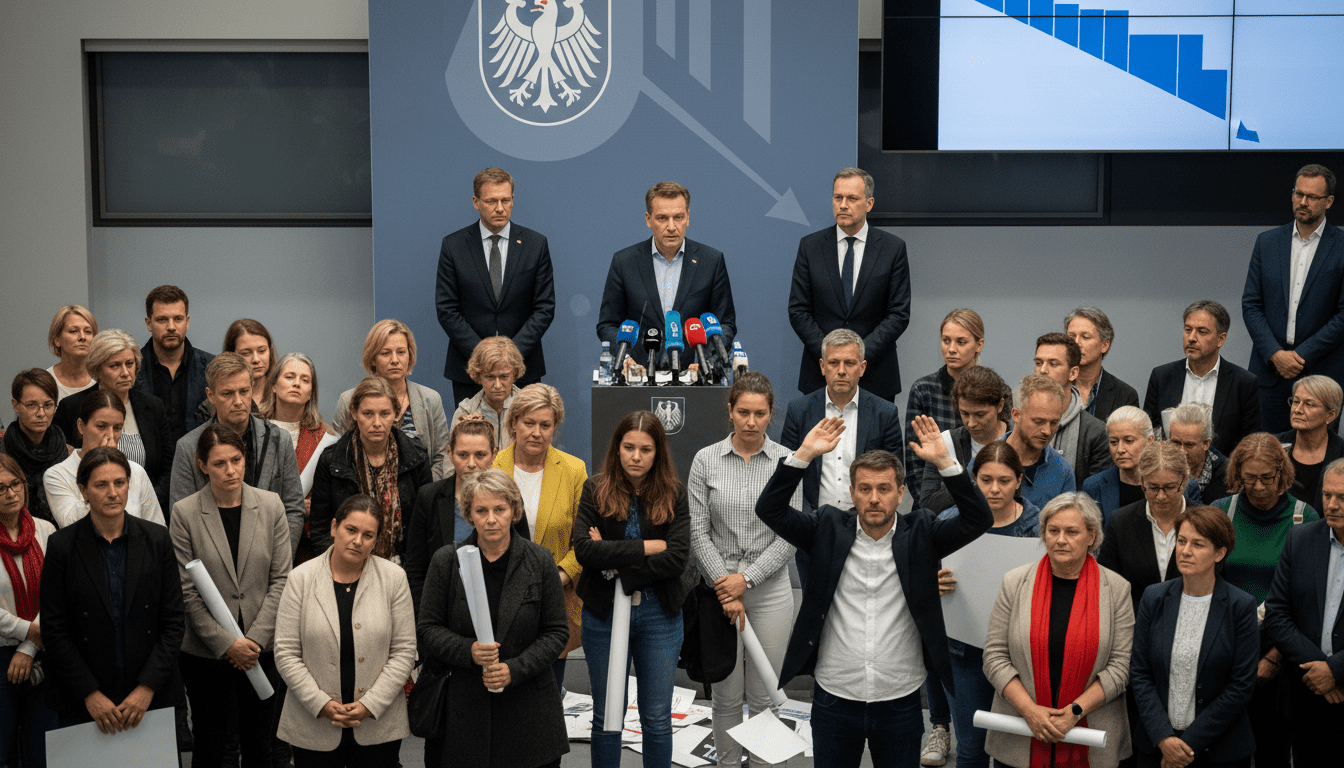
Organizers announced this weekend that two high-profile Berlin ballot initiatives failed to gather enough support to force referendums, signaling a setback for the city’s direct-democracy campaigns.
Organizers confirm signature shortfall
Organizers of the “Berlin autofrei” and “Berlin werbefrei” campaigns said over the weekend they did not collect the signatures required to trigger citywide referendums. The groups described the outcome as disappointing but affirmed that roughly 140,000 people had backed the proposal to sharply limit private car trips in the central city. City officials confirmed no new plebiscite will be scheduled at this time, ending the immediate prospect of binding votes on the measures.
What the initiatives proposed
The “Berlin autofrei” initiative sought to drastically curtail private vehicle use in the city core by imposing strict numerical limits on annual private car trips. The “Berlin werbefrei” campaign aimed to significantly restrict outdoor advertising across public spaces and transport infrastructure. Both campaigns framed their proposals as responses to pollution, congestion and visual clutter, while critics argued the measures would impose heavy costs on residents and businesses.
Political backdrop in Berlin
The developments come amid broader debates over urban policy in Berlin, where the CDU-led state government has recently championed measures that include a tightened rent register, known locally as a Mietenkataster. That register and other housing policies have drawn criticism from property owners and praise from tenant advocates, illustrating sharp divisions in the local political landscape. Analysts say the outcome of the ballot initiatives reflects a complex mix of public sentiment on urban regulation, housing and mobility.
Mayor Wegner’s shift toward social demands
On Sunday the city’s governing mayor, Kai Wegner of the Christian Democratic Union (CDU), met with representatives of the German Trade Union Confederation (DGB) in Berlin and used the occasion to press for social measures. Wegner called for a reduced value-added tax on basic foodstuffs and for stronger subsidies to ease energy costs for households, while urging caution on proposals to cut pension spending at the federal level. His appeal to social concerns appeared aimed at broadening his party’s appeal ahead of the autumn regional vote.
Reactions from business and civic groups
Business associations and some civic organizations welcomed the failure of the initiatives, saying sharp limits on cars or widespread advertising bans would harm commerce and city logistics. Environmental groups and parts of the urbanist movement, by contrast, regarded the organizers’ inability to reach a referendum threshold as a setback for progressive transport and public-space policies. The mixed reactions underscore the competing priorities at play in a heavily populated capital city with a fragile budget.
Implications for the autumn election
Political strategists say the episode may affect campaigning ahead of regional elections this year by putting pressure on parties to present clearer economic and social platforms. The mayor’s DGB outreach is being viewed by some commentators as a tactical move to shore up support among working-class voters. Others warn that promises of tax cuts and increased subsidies will be difficult to implement without addressing Berlin’s tight fiscal situation.
What comes next for the initiatives
Campaign leaders have not ruled out renewed efforts but acknowledged the practical and organizational challenges of mounting another signature drive. They said they will review their strategies and consider targeted local measures that might attract broader backing. Meanwhile, city hall and party headquarters are recalibrating messaging to address housing costs, urban mobility and social affordability—the central themes highlighted during the signature campaigns.
The failure of the “Berlin autofrei” and “Berlin werbefrei” drives to secure referendums has paused a contentious chapter in debates over the future of urban life in Berlin, leaving policymakers, businesses and advocacy groups to negotiate the next steps in shaping the city’s transport, advertising and housing policies.
