
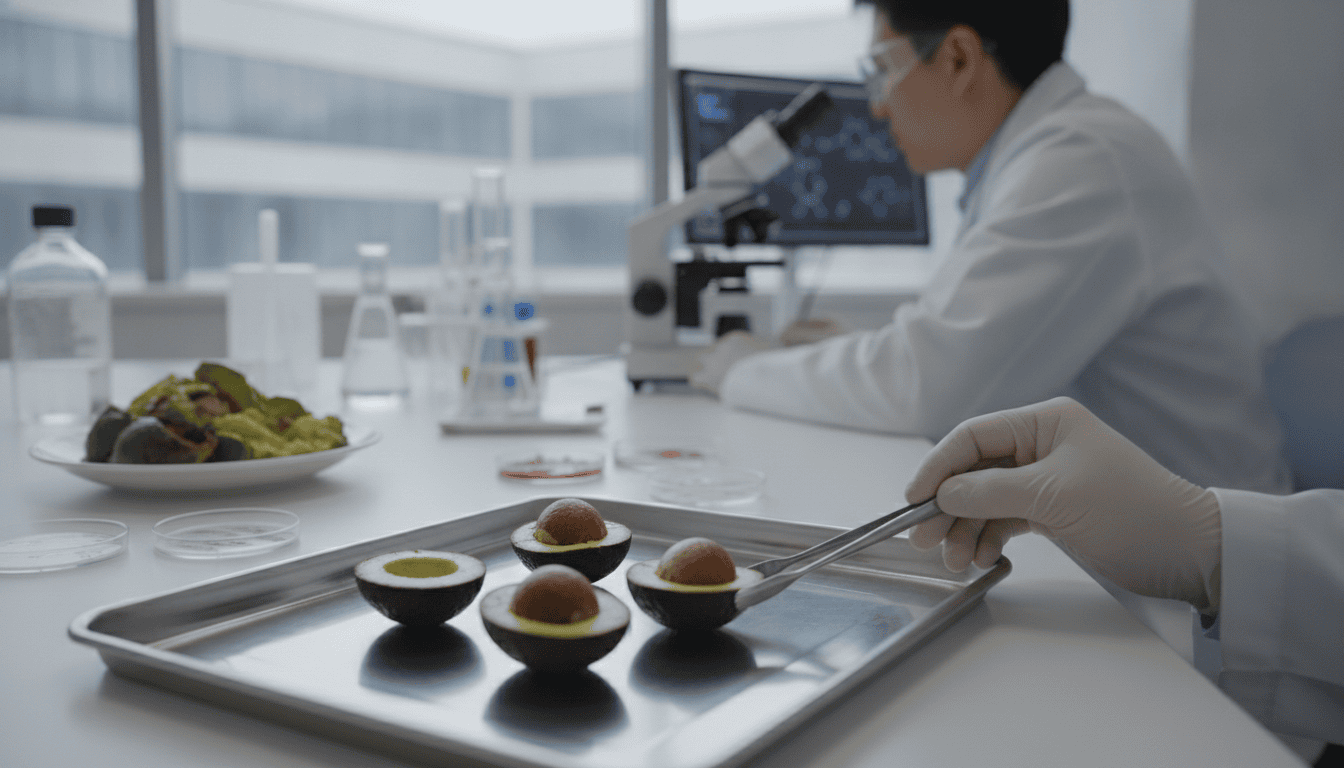
Avocado Seeds Face Scrutiny as Experts Warn Against Eating Them
Health experts caution that avocado seeds may carry antinutrients and unverified safety risks, recommending the nutrient-rich flesh instead.
Avocado seeds have drawn renewed attention after nutrition experts and industry groups highlighted uncertainties about their safety and benefits. Early laboratory studies show the seeds contain antioxidants and nutrients, but specialists warn these findings come largely from seed extracts and not human trials. As concerns about compounds such as cyanogenic glycosides and tannins grow, dietitians urge consumers to favor avocado flesh, which has established nutritional value.
Experts Advise Against Eating Avocado Seeds
Nutrition authorities and industry bodies have warned that consuming avocado seeds is not currently recommended. Statements from the California Avocado Commission and registered dietitians emphasize that seed safety has not been established, and that some compounds found in the seeds could be harmful. Health professionals say there is no validated, safe method for preparing and eating the whole seed.
The guidance reflects a precautionary approach: while seeds are sometimes promoted online as a “superfood,” officials stress that promotion outpaces evidence. Consumers are advised to treat seed consumption skeptically until clinical research provides clear safety data.
Nutrient Profile Reported in Seed Studies
Laboratory analyses indicate avocado seeds are rich in carbohydrates and contain varying amounts of protein and small quantities of fatty acids. Dry-weight measurements summarized in scientific reviews estimate carbohydrates can account for roughly two-thirds of the seed’s dry mass, with protein levels reported anywhere from about 2.6 percent up to 23 percent in different studies. Antioxidant compounds such as flavonoids and phenolics have also been detected.
Those findings have driven interest in seed extracts for potential antioxidant benefits, but researchers caution that nutrient concentrations in isolates do not translate directly into safe, beneficial consumption of the whole seed. The avocado’s flesh, by contrast, is a well-documented source of healthy monounsaturated fats, fiber, and micronutrients, making it a reliable choice for dietary benefit.
Antinutrients and Potential Hazards Identified
Researchers and industry sources have identified several antinutrients in avocado seeds, including tannins, trypsin inhibitors, and compounds that may belong to the cyanogenic glycoside family. Antinutrients can interfere with mineral absorption or digestive enzymes, and cyanogenic compounds can release small amounts of cyanide under certain conditions. While laboratory detection does not prove a health hazard at typical exposure levels, these findings raise legitimate safety questions.
Because many of the hazard signals come from in vitro studies or from chemical analyses of extracts, experts note the real-world effects on people remain unmeasured. Until controlled human studies assess both short- and long-term impacts, claims that eating avocado seeds is safe or beneficial should be viewed cautiously.
Evidence Gaps: Most Research Is Preclinical
A central limitation in the scientific record is the scarcity of clinical trials involving people who consume avocado seeds. Much of the literature focuses on seed extracts tested in test tubes or animal models, which can indicate biological activity but cannot establish safety or effective dosages for human diets. This disconnect leaves regulators and clinicians without the data needed for affirmative recommendations.
Researchers also report wide variability in reported nutrient content between studies, likely due to differences in extraction methods, seed maturity, and geographic origin. That variability further complicates efforts to translate laboratory findings into public health guidance.
Practical Advice and Safer Alternatives
Dietitians advise that consumers obtain avocado benefits from the fruit’s flesh rather than attempting to eat the seed. The creamy, nutrient-dense flesh supplies healthy fats, fiber, vitamins, and minerals with proven effects on satiety and cardiovascular risk factors. Registered nutrition experts recommend practical ways to add avocado flesh to meals—mashing for toast, slicing for salads, or blending into soups and dips.
For those curious about seeds, professionals suggest that using commercially validated extracts subject to regulatory review would be far safer than home preparation. However, no home technique—grinding, boiling, or blending—has been demonstrated to consistently remove antinutrients or guarantee safety.
Avocado seeds contain measurable antioxidants and nutrients in laboratory tests, but their safety for direct consumption has not been established in humans. Given the presence of antinutrients and the lack of clinical evidence, health authorities recommend avoiding seed consumption and focusing on the avocado’s flesh to obtain its documented nutritional benefits.
