
Home Remedies for Heartburn: Practical Tips, Natural Remedies and When to Seek Care
Practical home remedies for heartburn: avoid common triggers, try ginger or milk, elevate your bed, chew gum, limit alcohol, and know when to seek medical care.
Many people experience heartburn and can find relief with simple at-home measures that reduce acid reflux and soothe the esophagus. This article outlines practical steps—from avoiding trigger foods to repositioning for sleep—and explains which remedies offer short-term relief and when to consult a clinician. The aim is to present clear, evidence-informed options for managing heartburn while flagging warning signs that require prompt medical attention.
Immediate relief tactics
Chewing sugar-free gum and sipping a small amount of cold milk can ease mild heartburn for some people by promoting saliva production and temporarily neutralizing stomach acid. Over-the-counter antacids provide fast symptomatic relief by neutralizing acid, but they are intended for occasional use rather than daily management.
Home remedies like a measured dose of sodium bicarbonate can also neutralize acidity, but they carry risks if overused, including electrolyte disturbance and interaction with medications. Use baking soda only occasionally and follow dosing guidance, and stop if you experience nausea, vomiting, or unusual weakness.
Foods and habits that commonly trigger heartburn
Certain items are frequently linked to reflux symptoms and are worth avoiding if you suffer heartburn. Alcohol, chocolate, citrus fruits, coffee, fatty or fried foods, mint, spicy dishes and tomatoes are common culprits that can relax the lower esophageal sphincter or increase stomach acid production.
Tobacco use and tight clothing around the waist raise abdominal pressure or weaken the valve between stomach and esophagus, increasing reflux risk. Reducing intake of known triggers and quitting smoking can produce meaningful symptom relief for many people.
Natural options and dietary adjustments
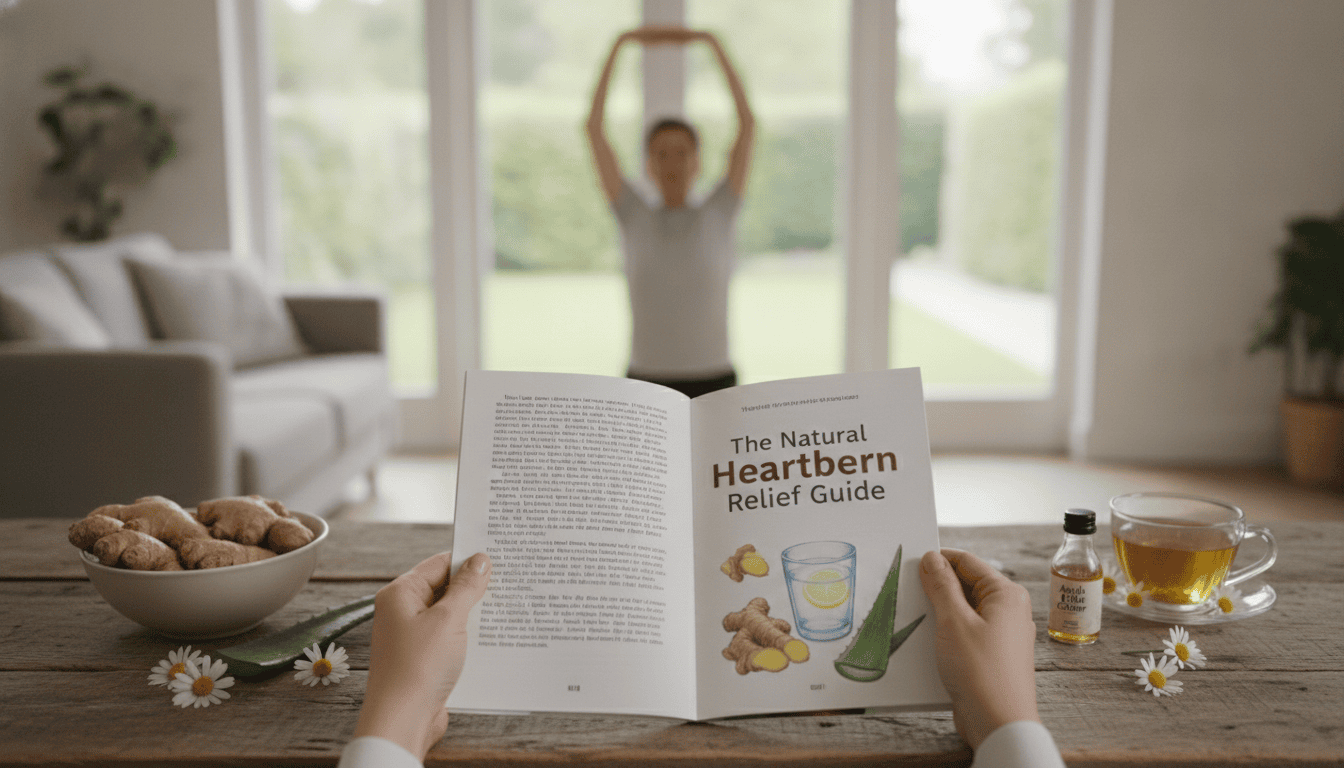
Ginger is widely used for nausea and may help reduce reflux for some individuals when consumed in moderation, though evidence is mixed and effects vary by person. Milk can provide short-term soothing due to its alkalinity, but higher-fat dairy products may worsen reflux as they delay gastric emptying.
Switching to smaller, more frequent meals and choosing lower-fat, non-citrus options can reduce episodes of heartburn. Avoiding peppermint and spearmint is advisable because these can relax the lower esophageal sphincter and make reflux more likely.
Sleep and posture strategies to limit nighttime reflux
Timing and positioning are simple, effective ways to reduce nighttime heartburn. Waiting two to three hours after eating before lying down lowers the chance that stomach contents will move up into the esophagus.
Raising the head of the bed by about six inches, using a wedge under the mattress, or elevating the bed’s head with stable blocks prevents reflux better than stacking pillows. Maintaining an elevated sleeping position helps gravity keep acid in the stomach throughout the night.
Weight, clothing and long-term lifestyle measures
Excess abdominal fat increases intra-abdominal pressure and is a major, modifiable risk factor for heartburn and gastroesophageal reflux disease (GERD). Modest weight loss—often starting with a reduction of 10 to 15 pounds for those who are overweight—can substantially reduce symptoms for some people.
Adopting loose-fitting clothing, avoiding heavy belts, and incorporating regular physical activity that is not immediately after large meals all support longer-term symptom control. If lifestyle changes are insufficient, a healthcare provider can advise on additional medical or procedural options.
When heartburn signals a need for medical care
Persistent or worsening heartburn, difficulty swallowing, a chronic cough, wheezing, or unintentional weight loss warrant evaluation by a clinician because ongoing acid exposure can damage the esophagus. If symptoms do not improve after a few weeks of home remedies or over-the-counter treatments, seek medical advice to rule out GERD or other conditions.
Seek immediate emergency care if heartburn is accompanied by alarming signs such as black or maroon stools, vomiting blood or material that looks like coffee grounds, or chest pain that is crushing, squeezing, or pressure-like and could indicate a heart attack. These symptoms require urgent diagnostic attention.
Heartburn is often manageable with targeted lifestyle changes, simple remedies and careful attention to triggers, but persistent or severe symptoms should prompt professional evaluation to prevent complications and ensure appropriate treatment.
