
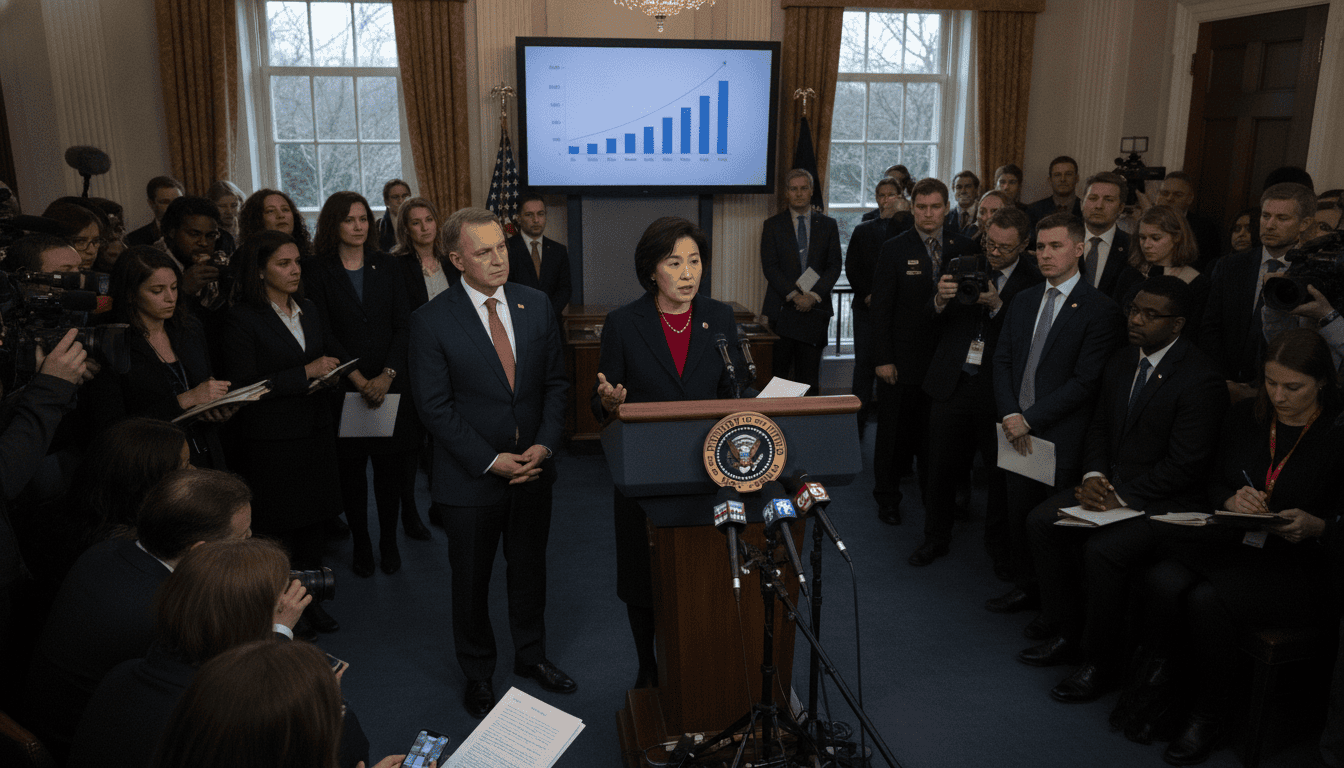
US tariffs imposed on 60 partners over forced‑labor concerns draw global criticism
US tariffs: Washington imposes 10-12.5% duties on imports from about 60 partners over forced‑labor concerns, drawing criticism from EU, Australia and NZ.
The United States announced new US tariffs on imports from roughly 60 trading partners this morning, citing insufficient action against forced labor as the justification. The White House said the measures impose duties of 10 to 12.5 percent and replace a previously applied global surcharge. The move has prompted swift diplomatic pushback from the European Union, Australia and New Zealand.
White House frames tariffs as measure against forced labour
The White House described the tariffs as a response to what it called inadequate measures by other governments to prevent goods made with forced labour entering global supply chains. Officials argued the duties are targeted and necessary to close loopholes that allow abusive practices to persist. The administration’s statement emphasized enforcement of labour standards as a primary objective.
EU dismisses US rationale as unjustified
EU foreign policy chief Kaja Kallas criticized the announcement, calling the new tariffs a shock to the bloc and saying the US rationale was not convincing. Brussels warned that unilateral levies of this scale risk undermining established trade rules and could trigger reciprocal actions. European officials are expected to consult member states on diplomatic and potential legal responses.
Australia calls tariffs ‘unjustified’ and in breach of agreements
Australia’s Trade Minister Don Farrell condemned the duties as unjustified and said they contradict existing free-trade commitments. Farrell demanded the tariffs be lifted and characterized the measure as harmful to bilateral trade ties. Canberra has signalled it will raise the issue at both ministerial and diplomatic levels to seek immediate reversal.
New Zealand expresses disappointment and worries about business uncertainty
New Zealand Prime Minister Christopher Luxon called the US announcement “extremely disappointing,” saying tariffs are the wrong tool to address labour concerns. Luxon warned that the added costs will increase prices and create uncertainty for exporters and importers alike. Wellington plans to engage with US counterparts to press for a transparent resolution that protects trade flows.
Scope, rates and immediate implementation
According to the White House release, the new duties vary between 10 and 12.5 percent and apply to a broad range of imports from about 60 countries. The tariffs took effect this morning, replacing a prior worldwide special surcharge that had been in place. Details on the specific product lines and exemption mechanisms were not fully published in the initial announcement.
Trade experts warn of wider economic and legal consequences
Trade analysts say the tariffs could prompt supply-chain adjustments as businesses seek to avoid the added levies, potentially accelerating diversification of sourcing. Lawyers and WTO specialists noted the risk of formal disputes if affected partners challenge the measures under international trade law. Companies facing higher costs may pass them to consumers or absorb margin pressure, depending on sector dynamics.
The imposition of US tariffs over forced‑labour concerns marks an escalatory step in trade policy that blends human-rights claims with economic measures. With capitals from Brussels to Canberra and Wellington already reacting, the coming days are likely to see a mix of diplomatic pressure, formal protests and close scrutiny of the tariffs’ legal grounding.
