
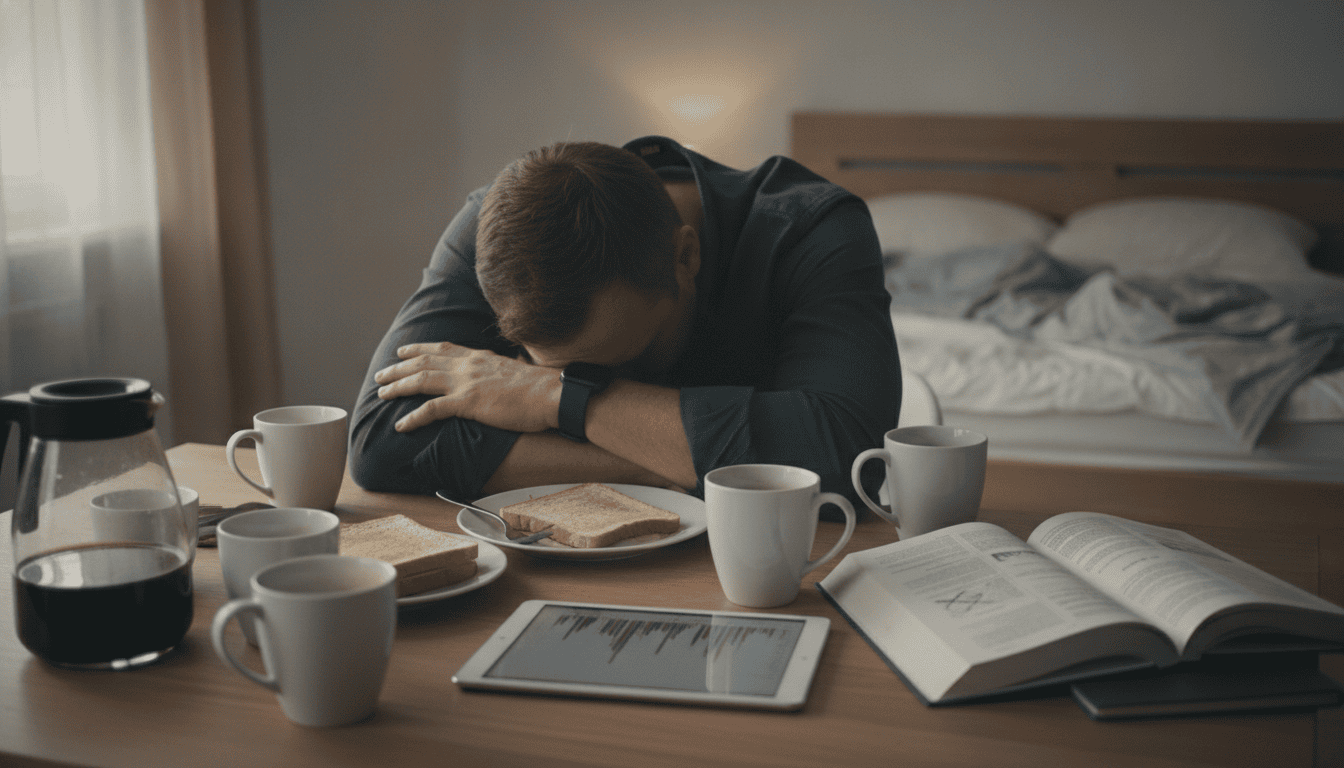
Why Coffee Doesn’t Keep You Awake: Experts Explain Post‑Caffeine Fatigue
Why coffee doesn’t keep you awake is a common concern for caffeine drinkers; experts say the answer lies in biology, tolerance and lifestyle factors that blunt caffeine’s effect.
Coffee remains the world’s most popular stimulant, yet many people report feeling sleepy despite a fresh cup. Sleep researchers and clinicians point to several interacting causes — from the way caffeine masks sleep signals to medical conditions, medications and daily habits that undermine alertness. Understanding these mechanisms helps explain why a cup of coffee is sometimes a short‑lived fix rather than a reliable wakefulness solution.
How caffeine masks the brain’s tiredness signals
Adenosine, a naturally produced compound, accumulates during wakefulness and signals the brain that it’s time to rest. Caffeine works by blocking adenosine receptors, temporarily preventing those “tired” signals from reaching conscious awareness.
That blockage can make you feel alert even when your body still needs sleep, which creates a mismatch between perceived wakefulness and physiological sleep pressure. When caffeine wears off, the delayed adenosine effect can return abruptly, producing a pronounced feeling of fatigue commonly known as a caffeine crash.
Why tolerance reduces coffee’s effect over time
Repeated daily caffeine use leads to physiological adaptations that blunt its stimulating properties. The brain can adjust by increasing the number of adenosine receptors or changing receptor sensitivity, meaning the same dose of coffee produces less alertness.
As tolerance builds, people often respond by increasing consumption to chase earlier effects, which can perpetuate dependency and disrupt normal sleep patterns. That escalating cycle both reduces coffee’s efficacy and raises the likelihood of late‑day caffeine lingering and impairing nighttime sleep.
Medications and health conditions that undermine caffeine
Certain prescription and over‑the‑counter medications can cause drowsiness as a side effect or change how the body processes caffeine. Antihistamines, some pain relievers, antidepressants and medications that alter liver enzymes can either amplify sleepiness or prolong caffeine’s presence in the bloodstream.
Medical conditions such as sleep apnea, insomnia, hypothyroidism and anemia frequently produce daytime fatigue that caffeine alone cannot overcome. In those cases, a cup of coffee may briefly mask symptoms without addressing the underlying disorder, leaving people feeling persistently sleepy.
Hydration, nutrients and their role in daytime energy
Mild dehydration and nutrient deficiencies are common, but often overlooked contributors to low energy. Water supports cellular metabolism and blood volume, while deficiencies in iron, vitamin D, B12 and other micronutrients impair oxygen transport and energy production.
Improving hydration and correcting nutrient shortfalls through diet or targeted supplements can raise baseline energy and make caffeine’s effects more predictable. Clinicians often recommend a simple blood test to check for anemia and key vitamin levels when fatigue is unexplained.
Environmental and schedule factors that blunt caffeine’s benefit
Light exposure, irregular schedules and night‑shift work can disrupt the body’s circadian rhythm and produce daytime sleepiness that caffeine struggles to counter. Bright light at night, electronic device use before bed and rotating shifts confuse the sleep‑wake cycle and reduce sleep quality.
Even well‑timed caffeine can’t fully compensate for chronic misalignment of internal clocks, and reliance on coffee to power through poor sleep often worsens the underlying rhythm disruption. Employers and individuals are increasingly advised to consider lighting, break schedules and sleep hygiene as part of fatigue management.
Practical steps to feel less sleepy after coffee
Experts advise adjusting both caffeine habits and lifestyle factors to reduce post‑coffee fatigue. Practical measures include delaying the first cup after waking to allow natural cortisol rhythms to rise, avoiding caffeine in the late afternoon, choosing lower‑sugar beverages and staying well hydrated throughout the day.
Other helpful strategies are temporary caffeine reductions to reset tolerance, checking for medication interactions with a clinician, and addressing sleep disorders or nutrient deficiencies when fatigue is persistent. Combining these steps with consistent sleep schedules and light‑management practices improves both baseline alertness and the reliability of caffeine when it is used.
Coffee can provide a useful short‑term boost, but it is not a cure for sleep debt, medical problems, or lifestyle factors that sap energy. Addressing the root causes of daytime sleepiness — through sleep hygiene, medical evaluation and modest changes to caffeine use — offers a more reliable path to sustained alertness than increasing cups alone.
