
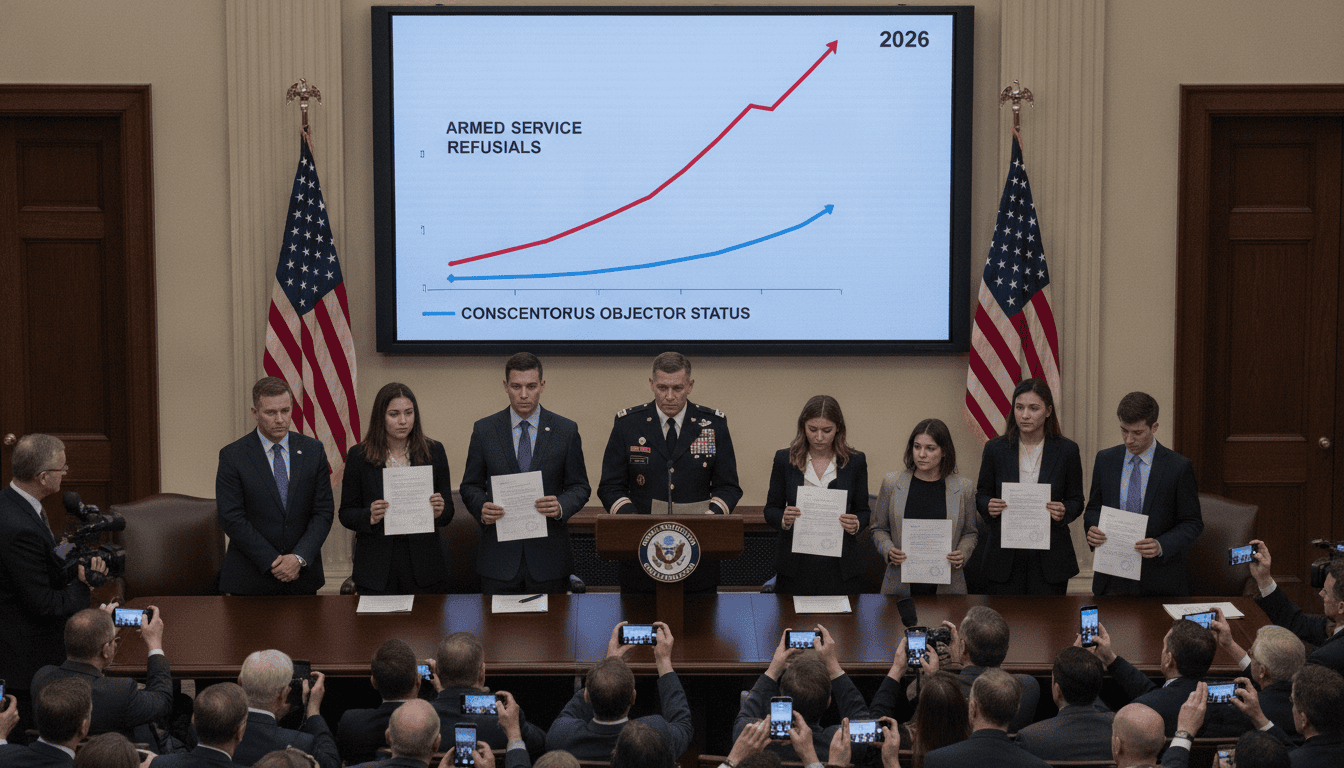
Hundreds of conscientious objectors in Germany rescind status as weapon refusals also climb
Hundreds of conscientious objectors in Germany have rescinded their objection this year, a development that could set a new annual record, even as a separate rise continues in individuals who refuse to bear arms. The contrasting trends are prompting fresh questions about military and civic service policies and how authorities accommodate divergent beliefs.
Rescissions Surge This Year
Authorities report that several hundred formerly registered conscientious objectors have withdrawn their declarations so far this year. That scale of rescission is notable compared with recent years and has drawn attention from policy makers and service administrators.
The withdrawals mean people who had previously asserted an objection to military service are reversing that position, a step that can affect eligibility for certain forms of state service and the administrative handling of applications. Officials say the pace of these reversals could push annual totals to an unprecedented level before the year ends.
Potential Drivers Behind the Reversals
Observers point to a mix of social and geopolitical factors that may be influencing individual decisions to reverse earlier objections. Heightened public debate about national security, shifting career incentives, and personal circumstances have all been cited as possible contributors.
Economic and professional considerations are also likely factors: some people who previously sought to avoid conscription or military pathways may now see service as a route to training, employment, or social integration. Analysts caution, however, that motivations are varied and not reducible to a single cause.
Concurrent Rise in Weapon Refusals
Alongside the surge in rescissions, there has been a separate increase in cases where individuals accept service but explicitly refuse to carry or operate weapons. These cases reflect a distinct conscience-based stance that focuses narrowly on combat duties rather than on service in general.
The coexistence of more people withdrawing full conscientious-objector status while more others demand exemptions from weapons handling is creating a complex administrative picture. Service organizers must balance operational needs with legal and ethical obligations to accommodate conscientious convictions.
Operational and Administrative Implications
Military and civilian service authorities face practical challenges in responding to both trends at once. Increased rescissions can alter personnel planning, while higher numbers of weapon-refusal cases require adjustments to training pipelines and duty assignments.
Administrators say accommodating diverse convictions involves additional paperwork, reassignment options, and monitoring to ensure that service obligations are met without infringing on individual rights. These processes can strain resources at a time when service organizations are already managing recruitment and retention pressures.
Policy Debate Intensifies
The divergent trends have reignited public and political debate over how best to structure and regulate service obligations and conscientious objections. Lawmakers and advocacy groups are discussing whether current frameworks adequately address modern realities of service and conscience.
Proposals under consideration include clearer guidelines for handling rescissions, standardized procedures for weapon-refusal accommodations, and expanded counseling or information services for those deciding whether to register or rescind an objection. Stakeholders emphasize the need for transparency and predictable rules.
Social and Individual Consequences
For individuals, the decision to rescind a conscientious-objection declaration or to refuse weapons carries significant personal and social consequences. Those who rescind may encounter new expectations, while weapon refusers often seek roles that align with noncombatant principles.
Families, employers, and local communities are also affected as people navigate changing commitments and obligations. Support services and information campaigns are being discussed as ways to help individuals make informed choices and to reduce confusion during the transition.
Public authorities and service organizations are monitoring the situation closely as the year progresses, noting that the combination of rescissions and rising weapon-refusal cases could reshape administrative practice and policy debates. The coming months will be critical to determining whether this year’s trends represent a temporary fluctuation or a longer-term shift in how conscientious objections and service choices are managed.
