
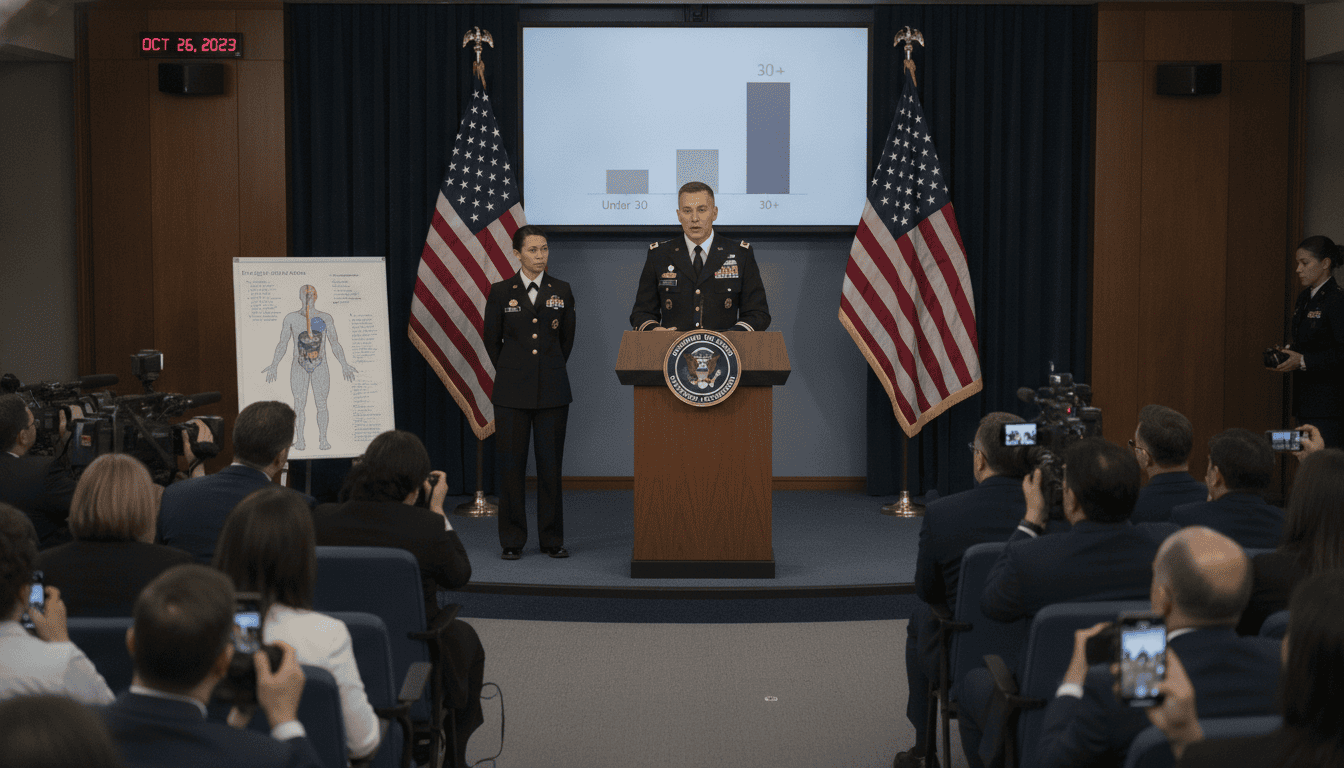
US military to begin routine testosterone testing for service members 30 and older
US military to begin routine testosterone testing for service members 30+, part of annual exams, prompting debate over readiness, medical care and gender policy.
The Pentagon announced a new policy to add routine testosterone testing to the annual health exam for service members aged 30 and above, a move the Department of Defense says is intended to support readiness and individual performance. The plan, unveiled by Defense Secretary Pete Hegseth in a video posted on X, will make testing mandatory at that age threshold while leaving testing for younger personnel voluntary. The announcement has prompted immediate political criticism and renewed scrutiny of past cases involving performance-enhancing substances.
Policy details and who will be tested
The new testing program will be folded into the military’s existing annual medical exam, officials said in Hegseth’s announcement. Service members aged 30 and older will receive routine measurement of testosterone levels, while those under 30 may opt in to be tested if they choose. If tests indicate low testosterone, the Defense Department will recommend evaluation and may offer testosterone replacement therapy, though treatment will not be compulsory.
Clinical follow-up and treatment options
According to the Pentagon’s outline, identified hormone deficiencies will trigger a clinical review and counseling about possible treatments, including testosterone replacement therapy (TRT). The department emphasized that recommended treatment is voluntary and governed by medical guidelines rather than automatic disciplinary action or reassignment. Military medical teams are expected to balance readiness goals with established standards of care and individual medical risk assessments.
Rationale cited by the Defense Secretary
In the announcement, Hegseth framed the measure as a step to ensure service members “have the right testosterone levels to perform at their best” and described preserving the fighting ability of each individual as a top tactical priority. He noted that testosterone levels commonly decline with age and said routine screening would help maintain force readiness. The secretary portrayed the policy as part of a broader effort to strengthen physical standards and operational capability across the services.
Political backlash and questions about gender policy
Democrats in Congress quickly criticized the initiative, saying it raises uncomfortable questions about the Pentagon’s approach to gender and medical care in uniform. Some lawmakers pointed to recent policy debates over transgender service and access to gender-affirming treatments, asking whether the new testing regime signals inconsistent positions on hormone therapies. Critics argued the announcement could be used politically and called for clarity about how results will affect career progression, medical confidentiality and nondiscrimination protections.
Safety concerns and a history of performance-enhancing substance use
The policy comes amid concern about the use of testosterone and other performance-enhancing substances in parts of the force, particularly special operations units. Officials and reports have previously highlighted incidents in which members of elite units were found to be using hormone supplements, and one high-profile recruit death in 2022 involved substances that raised questions about medical oversight. Pentagon leaders have cited those cases in arguing for tighter health surveillance to prevent unsafe or unauthorized use of performance-enhancing drugs.
Implications for readiness, recruiting and medical ethics
Service leaders must now weigh the potential benefits to readiness against questions of medical privacy, consent and equitable treatment. Routine hormone screening could help identify treatable conditions that affect energy, mood and physical capacity, potentially improving retention and performance among aging cohorts. At the same time, medical ethicists warn that screening programs require strict safeguards to prevent stigmatization, coercion or unequal application across ranks and demographics.
Routine testing may also have ripple effects on recruiting and retention if potential recruits interpret the policy as invasive or if service members worry about career consequences from test results. Military medical authorities will face the task of communicating how voluntary treatment decisions and confidentiality protections operate in practice to maintain trust in military healthcare.
Next steps and oversight expectations
Pentagon officials said implementation details—including testing protocols, laboratory standards and clinical pathways—will be developed in coordination with military medical commands. Lawmakers from both parties have indicated they will seek briefings and oversight to ensure the program upholds medical standards and civil rights protections. Advocates for service members’ health have urged transparent reporting on how results are used and how voluntary treatments are offered and monitored.
The new screening initiative signals a broader effort within the Defense Department to link health metrics to readiness goals, but it will require clear medical guidance and congressional oversight to address concerns about privacy, equity and the appropriate role of hormone therapy in military healthcare.
