
British Steel nationalisation completed as UK secures Scunthorpe plants and jobs
UK completes British Steel nationalisation, protecting Scunthorpe plants and thousands of jobs while pledging an economically viable, low‑carbon future.
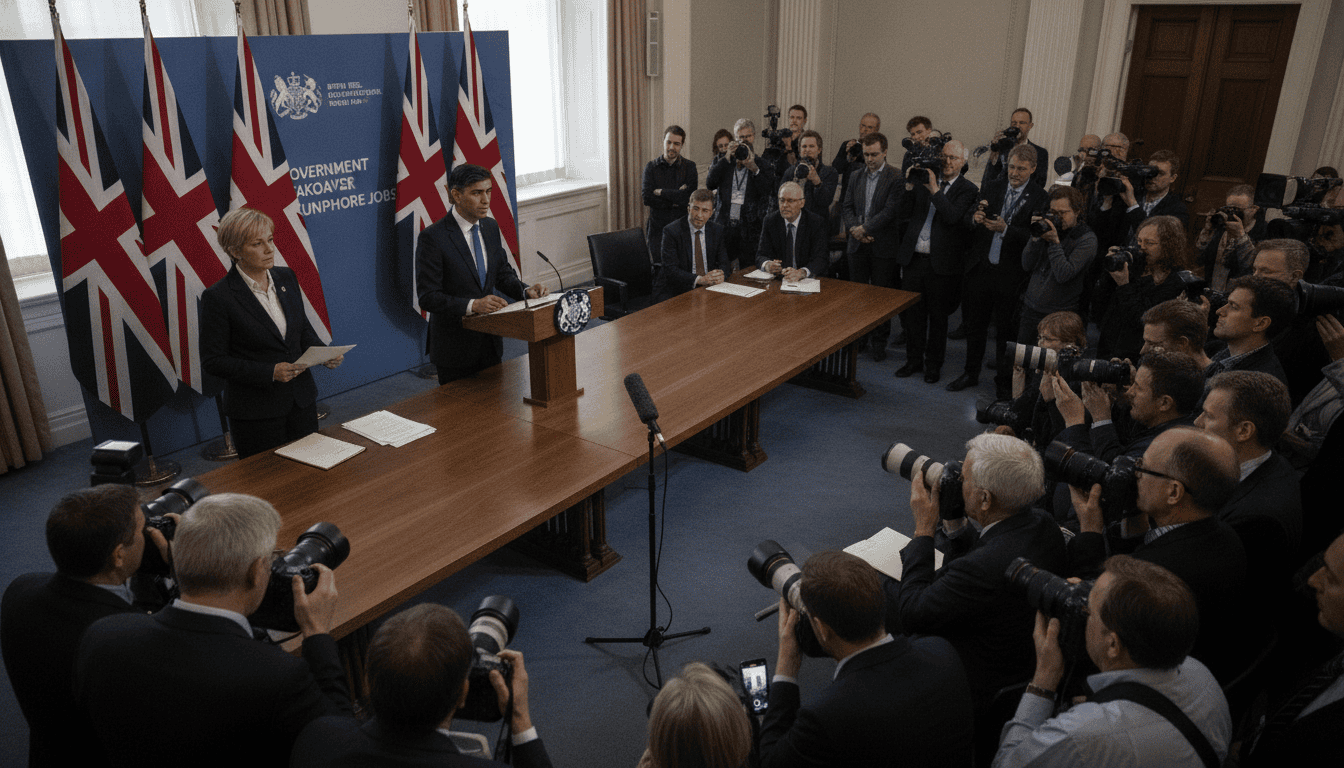
The British Steel nationalisation was completed this week, the UK government said Thursday in London, bringing the former Chinese-owned company fully into state ownership. The move, officials said, aims to secure steel production in the United Kingdom and protect skilled jobs at the Scunthorpe works. Prime Minister Keir Starmer described British Steel as “part of the fabric of our nation” as ministers positioned the takeover as a strategic intervention.
Government confirms completion of takeover
The government said the acquisition finalises control of British Steel, which had been under Chinese ownership by Jingye until an earlier intervention. Ministers framed the move as necessary to prevent the closure of the two blast furnaces in Scunthorpe and to stabilise output across the domestic steel sector. Officials emphasised that the state now assumes responsibility for the company’s immediate operations and workforce.
Scunthorpe furnaces and workforce safeguarded
The takeover is intended to preserve around 2,700 roles directly at the Scunthorpe furnaces and protect many more across the supply chain. Industry unions and local leaders had warned that closures would ripple through regional manufacturing and logistics, increasing unemployment in an area heavily dependent on heavy industry. The government argued that national ownership removes the imminent threat of shutdown and gives time to plan a sustainable future for the site.
From Thatcher-era privatisation to Jingye ownership
British Steel was privatised in 1988 under Prime Minister Margaret Thatcher and has since been exposed to global market pressures and volatile energy costs. The company’s difficulties intensified amid an international steel surplus and high production expenses, prompting the government to act after private buyers failed to emerge. The state first moved to take control from Jingye in April 2025, and emergency legislation announced in May paved the way for full nationalisation.
New leadership and plans for a green transition
A government-appointed leadership team will oversee the immediate stabilisation of the business and develop a plan aimed at long-term financial viability. Officials signalled a dual objective: restore competitiveness while transitioning production toward lower-carbon processes. Ministers said they would prioritise investment in technologies and operations that can reduce emissions, though details and funding commitments for decarbonisation were described as work in progress.
Financial and legal measures underpin the move
The nationalisation followed a period in which ministers explored buyer options and assessed the risk of collapse, concluding that state ownership was the least disruptive outcome. Parliament debated enabling legislation last year to facilitate transfer of ownership and to provide the government with the legal tools required to manage the firm. Treasury and industry sources indicated that the state will now conduct a detailed financial review to determine the scale and timing of any support and capital investment.
Political fallout and industry response
The decision has prompted a mix of praise and criticism from political and industry actors, reflecting long-standing debates about state intervention in strategic sectors. Supporters say the move protects industrial capacity and jobs, while critics argue it exposes taxpayers to commercial risk and could deter private investment. Trade unions welcomed the immediate job protections, but called for clear commitments on investment and a credible roadmap for decarbonisation.
The government said the nationalisation secures a vital national capability and opens a period in which it will seek to reshape British Steel into a resilient, lower-emission manufacturer. Local officials and workforce representatives stressed that the coming weeks will be crucial as the new management presents operational plans and as ministers outline funding and regulatory measures. The outcome will be watched closely across Britain’s industrial regions and by international investors assessing the country’s approach to strategic sectors and industrial policy.
