
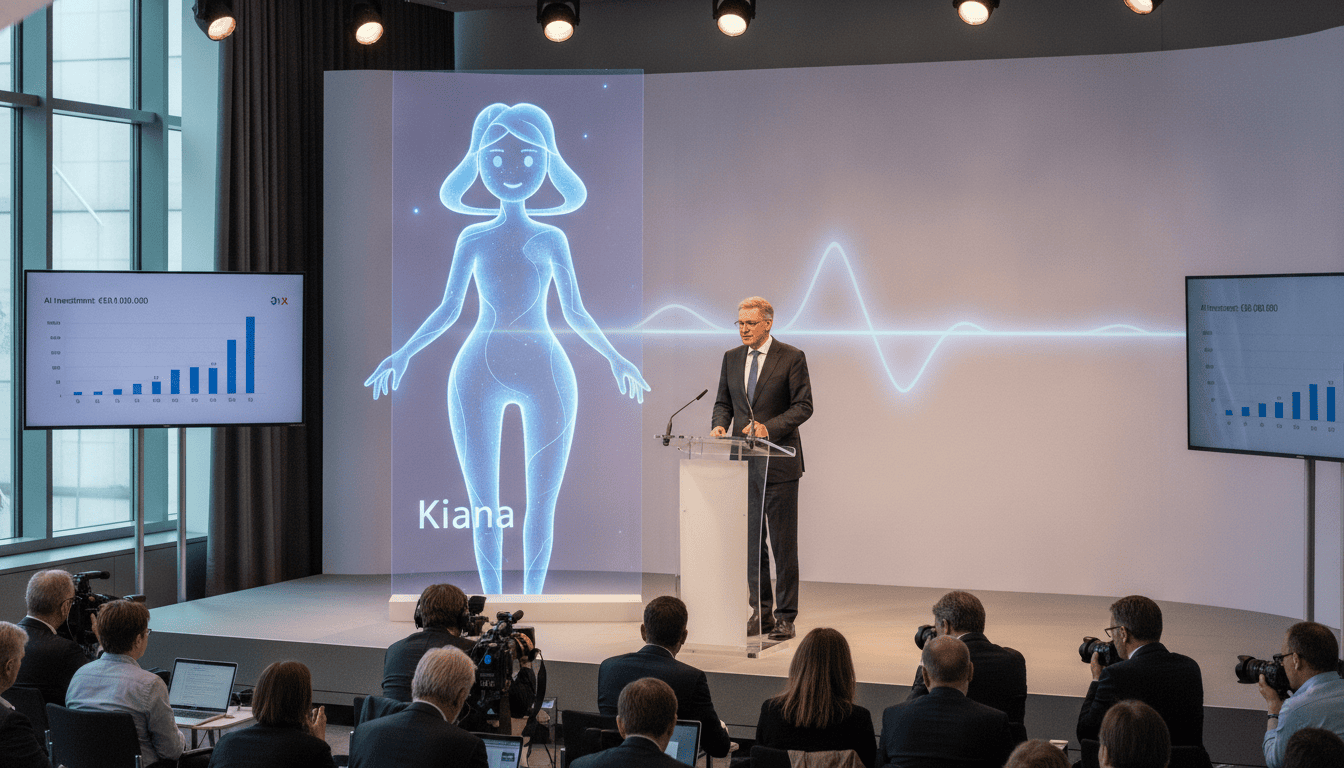
Deutsche Bahn customer communication overhaul: €50m investment and AI assistant Kiana unveiled
Deutsche Bahn customer communication will be upgraded with a €50 million IT and AI investment, a new multilingual virtual assistant and faster real‑time updates to reduce delays and confusion.
The Deutsche Bahn announced on Wednesday a targeted program aimed at improving customer communication after persistent complaints about late updates, delayed platform notices and last‑minute cancelations. CEO Evelyn Palla said the company will invest an additional €50 million in modern IT and artificial intelligence, with funds committed through the end of 2027, to make passenger information more reliable and timely. Transport Minister Patrick Schnieder welcomed the initiative, saying near‑real‑time and consistent messaging to travelers is a vital goal.
50 million euro investment announced
The DB said the new funds will be directed to IT upgrades, artificial intelligence systems and process modernisation across operations centers. Management framed the investment as a critical step to speed the flow of information from control rooms to customer channels.
Officials said the budget will cover development, roll‑out and integration expenses through December 2027, and will be accompanied by changes to how data is processed and shared internally. The company expects these measures to reduce manual bottlenecks that have historically delayed notifications to passengers.
New virtual assistant Kiana to support passengers
A central feature of the program is a virtual assistant named Kiana, which DB plans to make available to logged‑in users on bahn.de and the DB Navigator by the end of the year. DB representatives describe Kiana as capable of providing personalised travel information around the clock in more than 100 languages.
The assistant is positioned as a first point of contact for journey‑specific queries, expected to deliver quicker answers about delays, platform changes and connection options. DB says Kiana will complement rather than replace human support, routing complex issues to staff when necessary.
Faster platform and disruption updates promised
DB also said it will accelerate the speed at which platform changes appear in the Navigator app, shrinking the update delay from roughly 60 seconds to about two seconds. On‑site information will be improved through the installation of 7,000 new displays at stations large and small, offering clearer layouts and more space for essential messages.
Officials argue these measures will limit the common scenario in which passengers see outdated or conflicting information while waiting on platforms. The company expects faster automated feeds between operations centers and customer interfaces to make notifications more consistent across apps, displays and announcements.
Mixed response from politicians and interest groups
Reaction to the announcement was mixed. Greens MP Paula Piechotta warned that DB has announced many well‑sounding programs before with little visible effect, calling some initiatives “PR stunts” unless outcomes are demonstrably improved.
Advocates welcomed the commitment while urging rapid implementation and independent monitoring. Christiane Rohleder, national head of the Verkehrsclub Deutschland (VCD), said the organisation welcomes steps to improve passenger information but stressed that systemic problems require sustained follow‑through.
Freight operators report escalating communication failures
Separate complaints from private freight operators paint a grimmer picture of day‑to‑day network management. The Network of European Railways (NEE) and freight companies have reported a series of incidents they attribute to poor coordination within DB Netz’s infrastructure arm, saying control centers are sometimes understaffed and communication attempts fail repeatedly.
A notable example cited by freight operators involved train 88897, which departed Hamburg on May 27 and only reached Nürnberg on June 2 after multiple diversions and enforced stops. Operators also reported major delays in the Kassel area on July 2 that left automobiles and industrial supply chains disrupted, with some freight services delayed by hours.
Operational review of corridor renovation strategy
Beyond customer communication, DB signalled a strategic reassessment of its approach to large‑scale corridor renovations after delays on the Nürnberg–Regensburg project. Evelyn Palla said the company will re‑examine how it plans, executes and brings major corridor works into service, with an emphasis on evaluating cost and timing post‑completion.
Transport Minister Schnieder urged careful evaluation of the corridor concept without discarding its core objectives, noting the nationwide program aims to comprehensively modernise around 40 priority routes by the mid‑2030s. DB confirmed it will pursue a review intended to reduce schedule slippage and the disruptive impact of long full closures where possible.
The announced measures represent a focused effort to close gaps between operations and travelers, but stakeholders emphasise that improved software and AI must be matched by reliable staffing and infrastructure management. Many rail users and freight clients will judge success by how quickly promised changes translate into fewer last‑minute cancellations, clearer platform information and fewer cascading delays across both passenger and goods services.
