
Volkswagen restructuring faces renewed turmoil after split supervisory board vote
VW faces potential plant closures and wider job cuts after a fraught supervisory board meeting; management vows sweeping realignment amid falling deliveries.
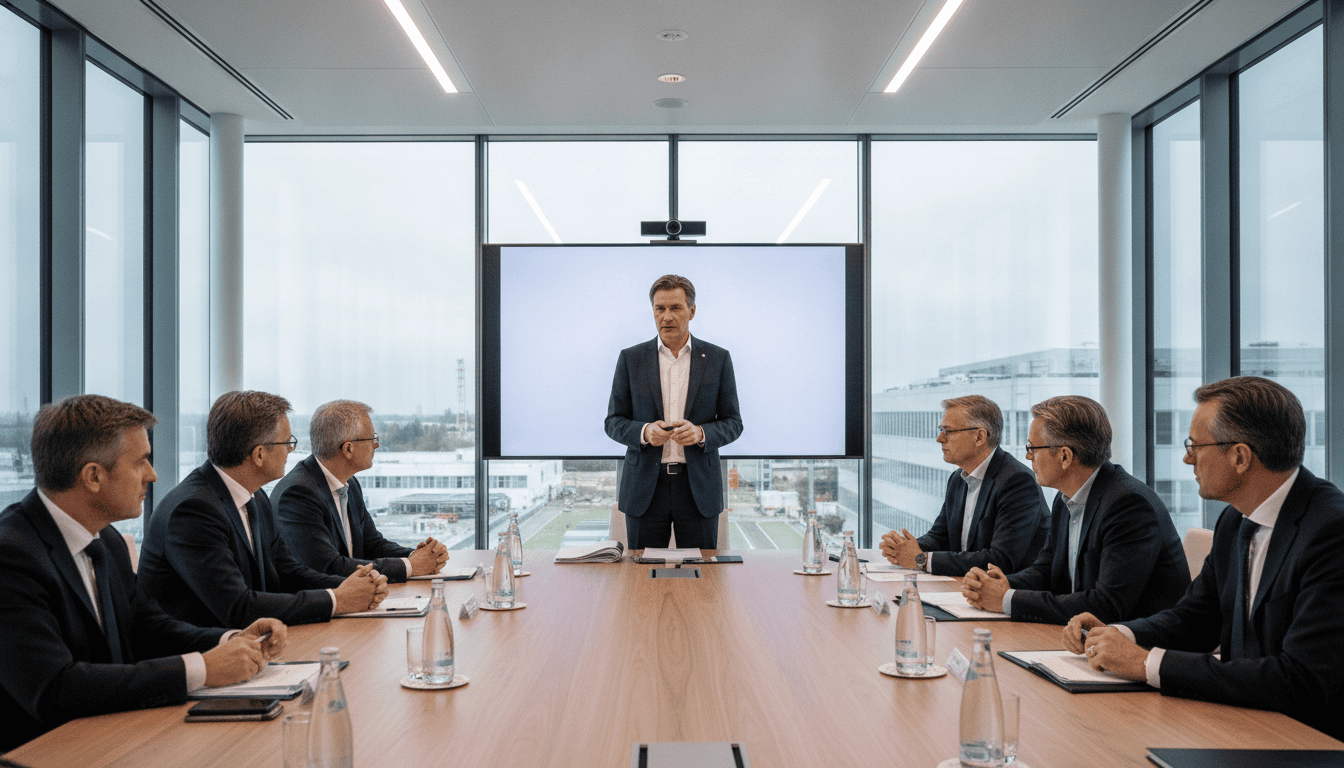
Volkswagen restructuring takes center stage as CEO Oliver Blume pushed the company’s “most comprehensive realignment” in back-to-back internal events, telling several hundred senior managers in Munich and more than 20,000 leaders in a global videoconference that the plan is a decisive turn for the group. The term Volkswagen restructuring appears at the core of the debate inside the company, as the supervisory board’s Thursday meeting produced no clear mandate on the most contentious measures. Management officials say the plan will cut model complexity and costs; worker representatives warn it could open the door to factory closures and far larger job losses.
Board vote fails to resolve key measures
The supervisory board session ended without a comprehensive agreement on the package the management presented, leaving several major decisions unresolved. Management had tried to pass a consolidated proposal but met resistance from employee representatives and two members from Lower Saxony, who together can form a blocking majority. The lack of a decisive vote has intensified uncertainty for staff and suppliers ahead of scheduled planning rounds.
Management outlines model and cost cuts
In public statements following the meeting, Volkswagen executives described ambitions to reduce the group’s model range from roughly 150 variants to about half that number and to extract greater synergy across brands. Finance chief Arno Antlitz framed the proposals as necessary to sharpen profitability and reduce complexity in a difficult global market. Management insists these elements fall within the board’s remit to implement without further approvals, presenting them as levers to restore competitiveness.
Workers view proposal as a license for large-scale cuts
Employee representatives, including the works council and IG Metall leadership, characterized the management’s submission as effectively a blank cheque for broad restructuring that could presage mass layoffs. IG Metall and works council leaders said the package lacked sufficient protection for jobs and local sites, calling the tone of management’s approach “disrespectful” and inflammatory. The dispute has already prompted talk of widescale protests and calls for extraordinary plant-level meetings once summer shutdowns conclude.
Legal and shareholder pressure becomes a possible escalation route
Some insiders say management’s tactics may be designed to create a legal pathway to override worker opposition, by arguing supervisory board members who block measures are failing to fulfill fiduciary duties under corporate law. Speculation is also persistent that influential families connected to the group could seek to force action at an extraordinary shareholders’ meeting, bypassing the supervisory board and works council. Company spokespeople have declined to comment on any planned legal or shareholder maneuvers, leaving such scenarios theoretical but politically charged.
Supervisory chair and internal tensions publicly evident
Supervisory board chair Hans Dieter Pötsch reportedly expressed frustration with the session’s outcome and the public image of discord that followed, underlining how internal divisions have spilled into view. Management, for its part, appears determined to press the argument that the package’s elements are all critical to long-term health, even if that means accepting a tactical defeat at the table. Observers noted an unusually heavy legal presence in Wolfsburg corridors, signaling that both sides see the confrontation as high stakes.
Market backdrop sharpens urgency for cuts
The company’s need to act is magnified by recent delivery figures showing a marked drop in global sales during the April–June quarter, driven primarily by weaker demand in China. VW reported a steeper decline in deliveries than in the first quarter, mirroring weakness across the industry that also hit rivals such as BMW. Executives argue that without significant complexity reduction and cost discipline, the group will struggle to compete as demand softens in key markets.
A decisive resolution remains uncertain as VW moves through the summer. Works councils have signaled plans to convene additional meetings at many sites, likely after annual plant closures, and the next supervisory board meeting is scheduled for September when formal planning decisions are due. With model allocation, investment planning and site usage all interlinked, stakeholders expect further rounds of intense negotiation and potential escalation before a final, company-wide Volkswagen restructuring is agreed.
