
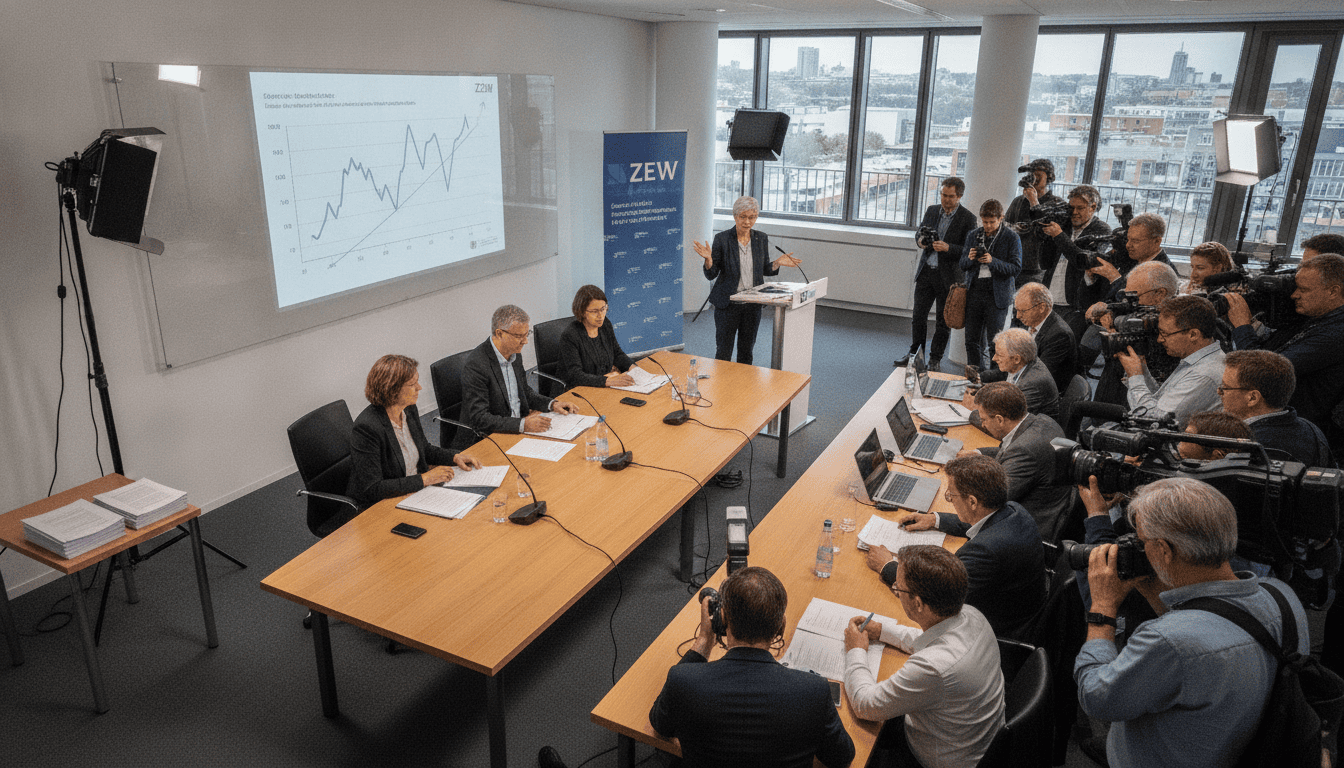
German coronavirus economic aid preserved 140,000 firms and 280,000 jobs, ZEW says
ZEW concludes German coronavirus economic aid saved about 140,000 companies and 280,000 jobs, urging targeted future support and Kurzarbeitergeld reform.
The federal economic rescue measures deployed during the coronavirus pandemic substantially stabilized German businesses and employment, a new analysis by the Centre for European Economic Research (ZEW) shows. ZEW economist Friedrich Heinemann told the parliamentary Enquete Commission that roughly 140,000 firms were kept from closing in 2020 and 2021, while about 280,000 jobs were preserved under programmes enacted during the crisis. Heinemann described the overall balance of the German coronavirus economic aid as favourable, but warned that design flaws could hinder longer‑term structural adjustment.
ZEW Analysis: Scope and Findings
ZEW’s assessment, submitted as a statement to the Bundestag’s Enquete Commission on pandemic review, quantified the immediate stabilizing effect of federal interventions. According to Heinemann, targeted grants, liquidity support and wage‑subsidy schemes together prevented widespread insolvencies during the sharp 2020 downturn.
The institute emphasised that these figures reflect the short‑term aim of crisis policy: to prevent an acute collapse of productive capacity and to avoid mass layoffs while lockdowns and supply disruptions constrained activity. Heinemann nonetheless underscored that stabilisation success should not be mistaken for long‑term efficiency.
Short‑time work rules created unintended incentives
ZEW singled out the design of Germany’s Kurzarbeitergeld — the short‑time work allowance — as an area where policy created perverse incentives. Heinemann argued that rising replacement rates over the course of the crisis reduced pressure on firms and employees to seek alternative, future‑oriented employment paths.
For future prolonged shocks, the economist recommended gradually declining replacement rates, greater cost sharing by companies and firmer conditions for extended use. Such changes, he said, would preserve Kurzarbeitergeld’s stabilising role while encouraging structural adaption if economic constraints persist.
Gastronomy tax cut criticised as a structural risk
Heinemann described the temporary reduction of value‑added tax on restaurant meals as an example of a poorly targeted crisis measure. Initially introduced as limited relief during lockdowns, the VAT cut was subsequently converted into a permanent sectoral tax concession, now estimated to cost the federal budget nearly €4 billion annually.
The ZEW analysis warned that sectoral tax privileges can rapidly acquire political momentum and become difficult to reverse, thereby risking long‑term distortions. Heinemann urged caution before transforming emergency fiscal relief into permanent exemptions that may impede necessary sectoral adjustment.
Macro picture: sharp contraction and rapid rebound
Germany experienced its steepest peacetime economic contraction in 2020, with gross domestic product falling by 4.1 percent amid the pandemic. The economy’s exposure as an export‑oriented nation amplified the shock as global trade volumes collapsed and supply chains came under strain.
A rebound followed in 2021, when GDP expanded by 3.9 percent as restrictions eased and demand recovered. ZEW’s review places the rescue measures within this cycle, noting that stabilising interventions helped preserve production capacity and employment until markets began to normalise.
Recommendations for future crisis policy
Based on the findings, Heinemann recommended that future crisis interventions be more precisely targeted, time‑limited and conditional. He advocated avoiding broad sectoral tax breaks and instead using temporary, revenue‑weighted support that includes sunset clauses and review triggers.
The analysis further called for a reformed design of labour‑market measures that balances immediate income protection with incentives for reallocation and reskilling. Heinemann proposed that extended periods of public support should come with additional obligations for firms, such as retraining plans or co‑financing, to promote structural resilience.
The ZEW statement presented to the Enquete Commission frames the German coronavirus economic aid as a largely successful stabilisation effort while highlighting the risk that some instruments may have delayed necessary market adjustments. Lawmakers and officials now face choices about how to translate those lessons into rules that both protect jobs in future shocks and preserve incentives for longer‑term economic transformation.
