
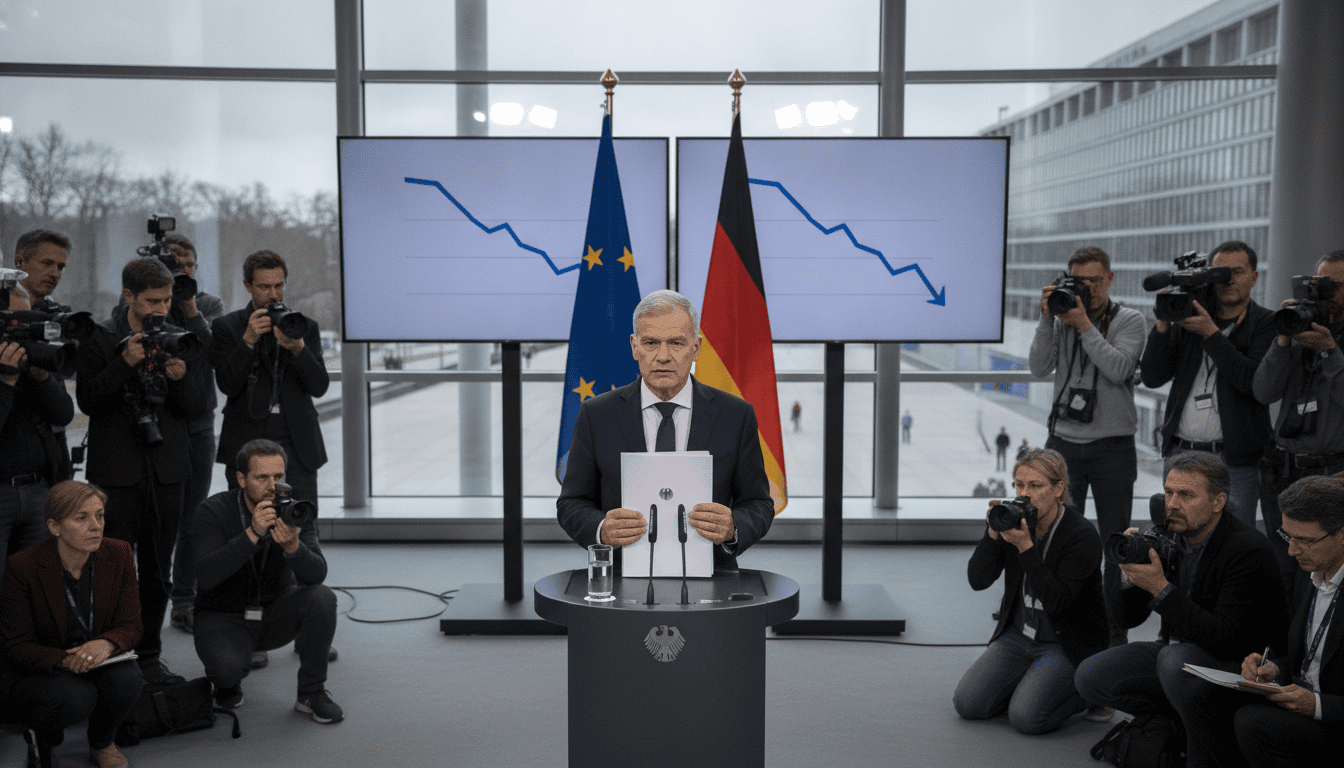
Germany to cut heat pump subsidies as budget draft reduces caps and tightens rules
Germany to cut heat pump subsidies: lower caps, local-content rules and a faster phase-out of the climate bonus will reduce homeowner support significantly.
The federal government has proposed substantial reductions to heat pump subsidies that would lower the maximum eligible costs and introduce stricter local-content requirements, a draft budget document prepared for the Bundestag’s budget committee shows. The proposal keeps the base 30 percent grant but would immediately trim the €30,000 cap and impose recurring reductions, signaling a major shift in support for homeowners seeking low‑carbon heating. The draft is due for discussion in the Haushaltsausschuss on Wednesday, July 8, 2026, and would reshape incentives for replacement of oil and gas systems across Germany.
Planned reductions to eligible costs and timing
The budget draft would reduce the current maximum eligible costs for installing renewable heating systems from €30,000 by an immediate €2,000, followed by further cuts of €750 every six months. The base subsidy of 30 percent on eligible costs would remain intact, but the ceiling on the amount that can be subsidized would fall over time. In addition, from next year half of the base grant would be conditional on the use of equipment manufactured in Europe, creating a local‑content incentive tied to subsidy eligibility.
These staged reductions are designed to shrink the overall fiscal burden over several years while still preserving a baseline incentive for decarbonizing residential heating. Officials working on the proposal argue the schedule provides predictability, but critics warn that the stepwise cuts will create a race for homeowners to apply before caps fall further.
Climate bonus set for accelerated phase-out
A separate and politically sensitive change targets the so‑called climate bonus, a supplementary incentive currently worth 20 percent for replacing serviceable oil or gas boilers older than 20 years. Under the draft, that bonus would be reduced by four percentage points every six months if phasing begins on January 1, 2027, which would mean the extra payment could be eliminated by the end of 2028. The earlier coalition plan foresaw a much later tapering of the climate bonus.
The expedited phase-out is intended to concentrate support on early adopters and limit long‑term fiscal exposure, but it also raises questions about timing for households weighing replacement now versus later. For many homeowners the climate bonus materially affects the project economics of switching to a heat pump.
Revisions to income‑based homeowner incentives
The proposal also revises income‑dependent bonuses for owner‑occupiers. Households with taxable income up to €30,000 would see the income bonus rise from 30 to 40 percent, while those with taxable income up to €40,000 would remain at 30 percent. A new 10 percent bonus is proposed for households with taxable income up to €50,000. Taxable income thresholds, which typically differ from gross pay, will be adjusted for families: households with at least one minor child would have €10,000 subtracted from the taxable income calculation for eligibility.
Policy drafters say these changes target support toward lower‑income homeowners while narrowing higher tiers, but industry groups warn the complexity could slow applications and complicate planning for renovation projects.
Budget drivers and reallocation of CO₂ revenues
Policymakers expect the collective adjustments to yield roughly €2.1 billion in savings for the 2027–2030 window, equal to about €500 million annually, according to the draft. Those cuts are only a fraction of broader measures aimed at replenishing the federal budget; the finance ministry plans to redirect €2.7 billion in CO₂ pricing revenues away from the Climate and Transformation Fund next year to cover shortfalls in the general budget.
The Bundesförderung für effiziente Gebäude (BEG) remains the largest line item in the climate fund, with approximately €12 billion allocated this year for measures that include new heating systems, windows and insulation. Officials say the adjustments are part of broader prioritization across the climate portfolio amid fiscal constraints.
Political and industry pushback
Green party lawmakers and opposition figures have sharply criticized the proposed changes. The Greens say the government promised stable heating support through 2029 and that opening the door to early cuts will create widespread uncertainty for households. Party representatives argue that weakening long‑term guarantees undermines confidence in Germany’s decarbonization pathway.
Industry associations have also responded with concern. The Zentralverband Sanitär Heizung Klima described the draft as lacking sufficient input from sector experts and warned that installation capacity cannot be ramped up overnight. Trade groups caution that sudden financial tightening will produce a spike in demand before cuts take effect and then a slump that risks supplier revenues and employment.
Real estate and developer representatives offered mixed reactions, acknowledging budget pressures but warning that reduced subsidies could slow renovation rates in multi‑family buildings. They urged manufacturers to help contain equipment costs to maintain renovation momentum.
Market context: installations lag government targets
Market data underline the challenge. Last year just 627,000 new heating systems were sold nationwide, the lowest annual figure in 15 years, while heat pumps accounted for 299,000 units. The numbers fall short of the former government target of 500,000 heat pumps per year, a benchmark that political and industry actors repeatedly cited as necessary to meet climate goals.
Analysts say the gap reflects a combination of capacity constraints, installation bottlenecks, regulatory factors such as strict site and noise rules, and pricing dynamics that some attribute to generous subsidy levels. The proposed local‑content condition aims in part to shift procurement and pricing but could also limit supplier choice and slow delivery in the short term.
The budget committee’s discussion on Wednesday, July 8, 2026, will be the next formal step in the process, after which the measures could be amended or delayed. Homeowners, installers and manufacturers will be watching closely as the timetable for cuts and conditional rules is refined.
If adopted, the package would mark a notable retrenchment in state support for low‑carbon heating and could reshape renovation decisions across Germany in the coming years.
