
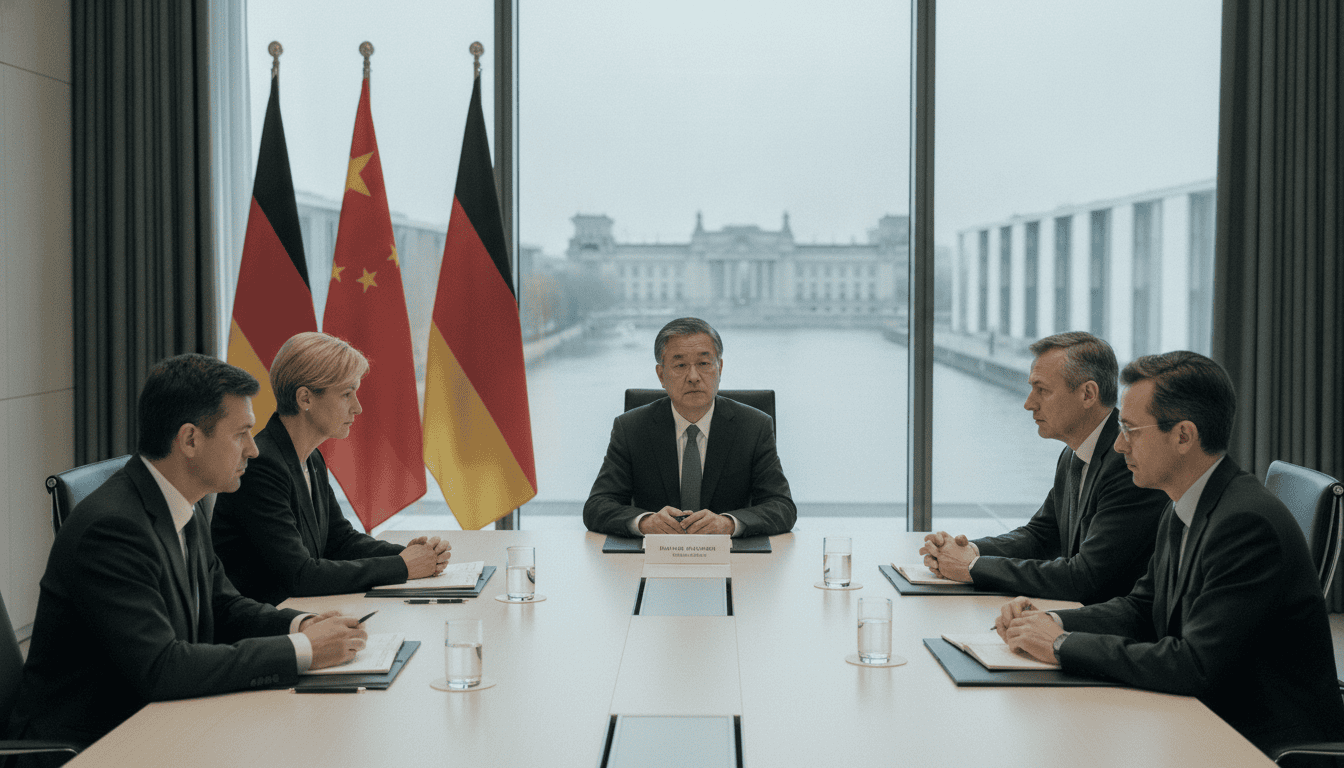
Germany summons Chinese ambassador after reports China trains Russian soldiers
Germany summons Chinese ambassador after reports China trains Russian soldiers; Berlin warned Beijing that aiding Moscow threatens euro-Atlantic security.
Germany on Friday asked the Chinese ambassador for an “urgent conversation” at the Foreign Office after media reports suggested the People’s Liberation Army had trained Russian soldiers in China. The allegation that China trains Russian soldiers prompted immediate diplomatic engagement and fresh public warnings from Berlin about the security implications for Europe.
Request for an urgent conversation
The Foreign Office said the meeting was requested on Thursday and was made public on Friday, underscoring the seriousness with which Berlin treated the reports. Officials emphasized that the step falls short of a formal ambassadorial summons — a stronger diplomatic measure — but still reflects heightened concern.
Foreign Ministry spokespeople framed the request as a necessary response to reports that could affect German and euro‑Atlantic security. The ministry stressed that Washington and European partners had been kept informed as Berlin assessed the potential ramifications.
Allegations that the PLA trained Russian troops
Reports emerged saying members of the Chinese armed forces provided training to Russian soldiers, a claim that would represent a significant escalation in Beijing’s involvement with Moscow since the 2022 invasion of Ukraine. German authorities described the reports as “very worrying” and said they needed clarification directly from the Chinese mission.
Berlin has not publicly released operational details of the alleged training, and China has repeatedly denied assisting Russia’s war effort in other contexts. Nevertheless, the reported interaction between the People’s Liberation Army and Russian personnel triggered the diplomatic outreach.
Berlin’s security rationale and ministerial comments
German officials linked any support offered to Russia directly to the threat posed by Moscow’s actions in Ukraine. “Russia is the greatest threat to our euro‑Atlantic security,” the Foreign Office reiterated in a formal statement, and warned that measures enabling Moscow to continue its offensive would be viewed as endangering Germany.
Foreign Minister Johann Wadephul, speaking on the sidelines of a visit to Brasília, said China must understand that the Russian aggression against Ukraine threatens Germany’s core interests. His remarks framed the conversation with the Chinese ambassador as part of a broader effort to deter external support that could prolong the conflict.
EU measures and past allegations against Chinese firms
The diplomatic move comes against a backdrop of long‑standing Western accusations that China has aided Russia through commercial channels and dual‑use exports. The European Union has already targeted a number of Chinese individuals and companies with sanctions, including additions in the bloc’s twentieth package of restrictive measures.
Western governments have pointed to evidence of Chinese firms supplying components that can be repurposed for military use in Russia, while Beijing has rejected claims that it provides material support for the war. The sanctions list and export‑control measures indicate persistent concern in Brussels about third‑party assistance to Moscow.
Diplomatic implications and escalation thresholds
Requesting an “urgent conversation” signals firm displeasure but preserves diplomatic room for clarification and de‑escalation. By contrast, formally summoning an ambassador — a step governments sometimes take to express stronger condemnation — would mark a clearer rupture in bilateral relations.
Analysts say Berlin’s calibrated approach allows it to raise the issue publicly while keeping channels open for evidence sharing and response. The move also gives the EU and NATO partners a visible touchpoint for discussing coordinated next steps if further confirmations emerge.
Potential consequences for ties with Beijing and Moscow
If allegations that China trains Russian soldiers are substantiated, consequences could extend beyond diplomatic protests to enhanced sanctions, tighter export controls, and deeper scrutiny of bilateral technology and trade ties. German officials warned that any decisive support for Russia’s war effort would be treated as a direct security concern for Germany and its partners.
For now, Berlin is pressing Beijing for explanations while coordinating with EU counterparts and allied capitals. The coming days will test whether the reports can be verified and whether China’s response will calm or inflame tensions.
Germany and its partners continue to monitor developments closely and have indicated they will consider further steps depending on the evidence presented by the Chinese mission.
