
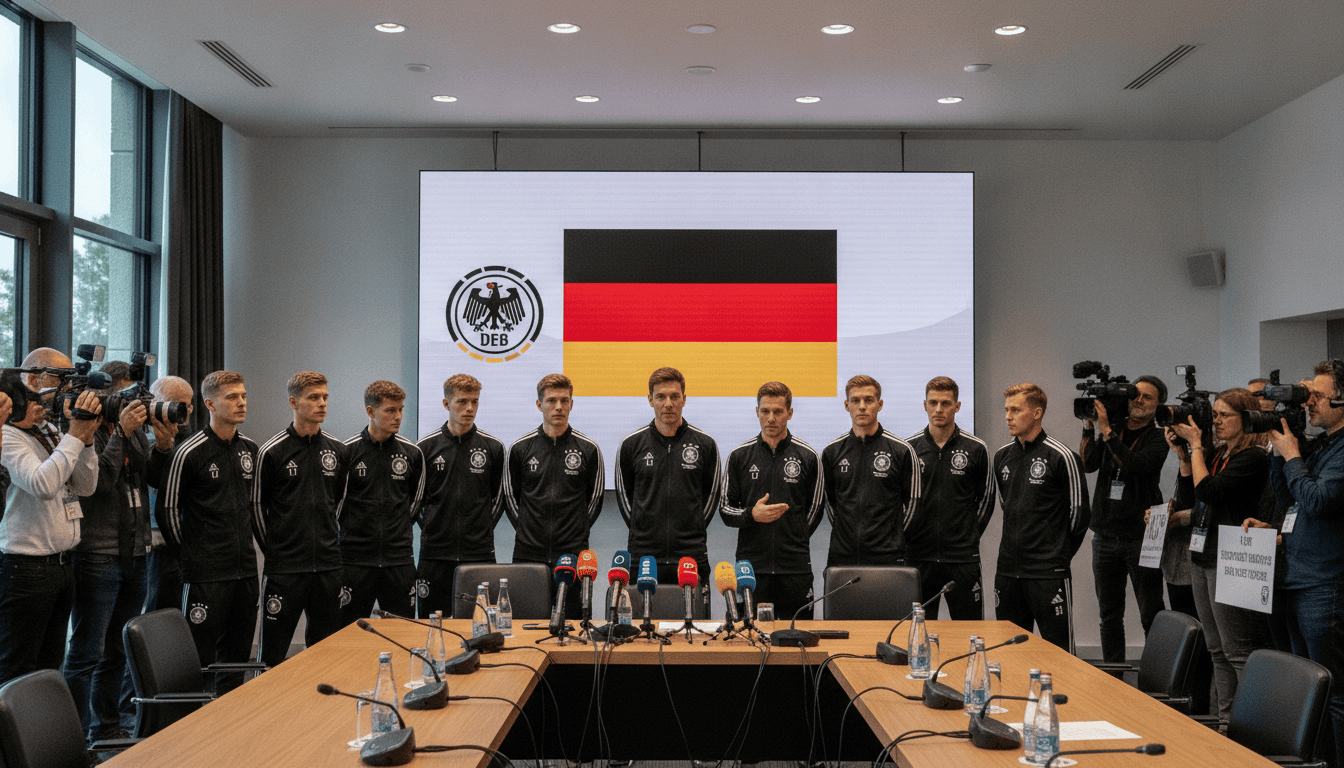
German national team exit sparks condemnation of racist abuse and political exploitation
DFB condemns racist abuse after the German national team’s World Cup exit, sparking debate on identity, AfD rhetoric and calls for public solidarity and unity.
The German Football Association (DFB) issued a public statement expressing regret over the national team’s elimination from the World Cup and explicitly rejecting racist and discriminatory reactions that followed. The DFB said it would not tolerate harassment aimed at players and staff, framing the backlash as unacceptable in both moral and sporting terms. The episode has renewed a wider discussion about how sport, nationality and politics intersect in Germany.
DFB statement and immediate fallout
The DFB’s response framed the post-match abuse as beyond the bounds of acceptable criticism and emphasized a zero-tolerance stance toward racism and other forms of discrimination. The association acknowledged disappointment about on-field results while singling out the hostile attacks that targeted players’ backgrounds and appearances. Officials urged public reflection and solidarity, stressing that sporting disappointment cannot justify demeaning or xenophobic rhetoric.
Political actors repeat identity claims
Several politicians seized on the team’s performance to revive talking points about national identity, with some AfD figures using the moment to propose a return to a supposedly more “German” squad. Local lawmakers and national party voices offered varying tones, from overt exclusionary comments to ambiguous distancing, illustrating the party’s tactical balancing act between hardline supporters and broader electoral appeal. Critics say this pattern—raising identity questions after a sporting loss—is a predictable strategy to inflame cultural grievances.
Historical composition of German squads
Germany’s national sides have long included players with diverse family histories and migration backgrounds, and the current debate overlooks that continuity. Past and recent rosters feature athletes whose family stories span decades and regions, including well-known figures who have been central to national success. Observers note that football’s role as a vehicle for social mobility helps explain why players from varied backgrounds have been prominent across generations, not because of cultural markers but because of opportunity and talent.
Fan identity versus national loyalty
Support for clubs and national teams operates on different logics: club allegiance is often elective and emotional, while national support usually follows place of birth or residence. For fans with multiple affiliations, representation on the pitch can influence where loyalties fall, particularly if players reflect their own backgrounds. Analysts caution that denying these emotional dynamics or dismissing concerns about representation with moralistic rhetoric risks amplifying the very identity politics that exclusionary actors exploit.
France 1998 and the limits of symbolism
The reference to France’s 1998 World Cup winners—heralded at the time as a model of integration—remains instructive but limited as a blueprint. That team’s success produced powerful symbolic recognition of diversity, yet subsequent social and political tensions in France showed that sporting triumphs do not erase deeper structural issues. The German context is similar: visible diversity on the national team can foster identification for many, but it does not, by itself, resolve underlying inequalities or cultural debates.
Calls for visible solidarity have emerged across civic and sporting organizations in response to the abuse that followed the team’s exit. Many voices argue that the only effective counter to identity-based attacks is collective support for all players, especially when disappointment is high. They stress that standing together in both victory and defeat sends a stronger message against racism than rebuttals that center on abstract principles alone.
Public debate over the episode is likely to continue as politicians, fans and the DFB navigate the aftermath of the World Cup exit, with particular attention on how parties frame identity in future campaigns. For now, officials and civil society groups insist that sporting performance must not be a pretext for discriminatory conduct, and they are calling for sustained efforts to protect players from abuse. The broader test will be whether solidarity on and off the field translates into concrete measures that reduce harassment and reaffirm inclusive values in German football and public life.
