
Right-wing extremists in Germany rise to 59,850, intelligence report warns
Verfassungsschutz: 59,850 right-wing extremists in Germany, up 8,000; violent attacks and online youth radicalization rise amid growing cyber threats now.
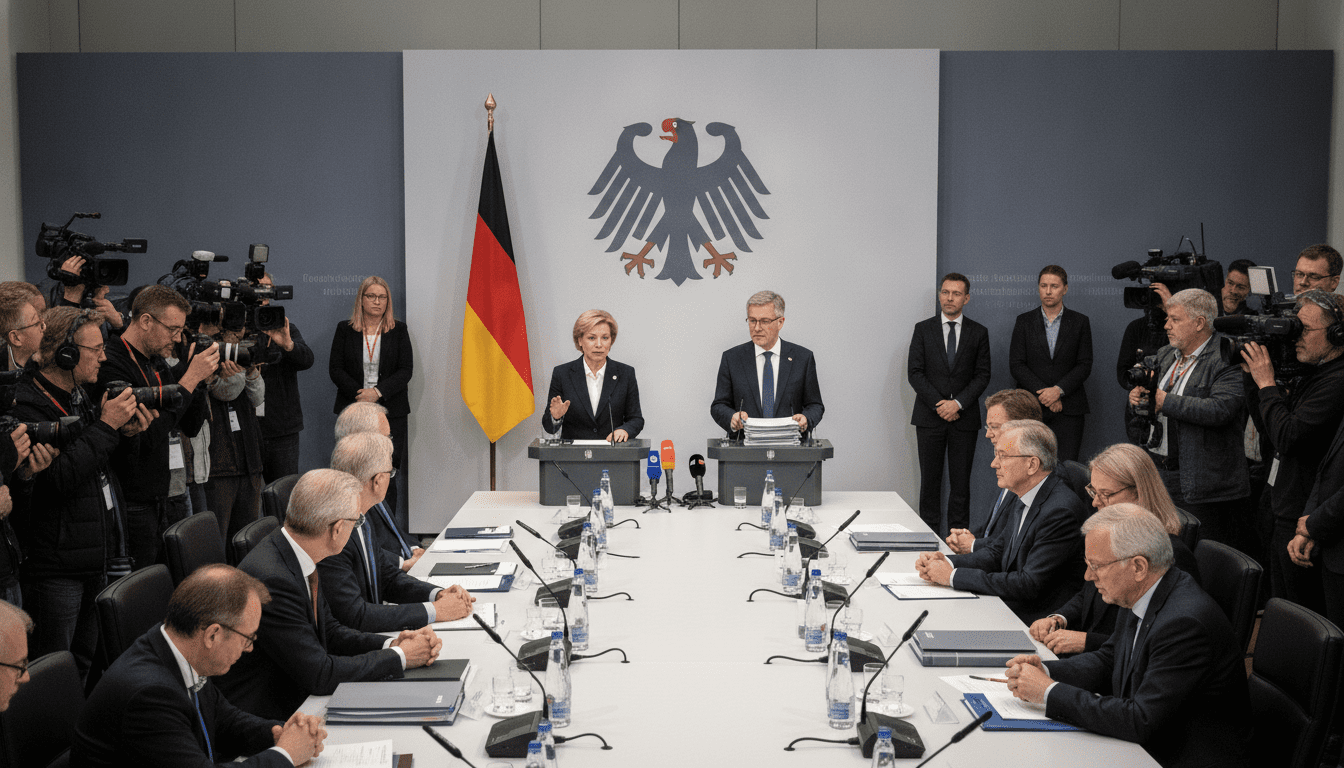
The federal domestic intelligence agency’s annual report presented in Berlin shows a sharp increase in the number of right-wing extremists in Germany, with the “right-wing extremists in Germany” figure rising to 59,850. That represents an increase of more than 8,000 people compared with the previous year and prompted officials to warn of a growing and more action-oriented scene. Interior Minister Alexander Dobrindt framed right-wing extremism as the principal threat to Germany’s liberal democratic order in his foreword to the report.
Sharp numerical increase and changing profile
The Verfassungsschutz recorded a marked expansion in the estimated population of right-wing extremists, driven both by new recruits and deeper networking among existing actors. Analysts cite a “rejuvenation” of the movement, with younger adherents becoming more visible and more active across regions. Intelligence officials also note that the scene is not only growing in size but shifting toward more coordinated and operational behavior.
The report emphasizes that the increase in numbers correlates with a wider spread of extremist messaging and organizational activity, which intelligence services say complicates efforts to monitor and counter the threat. Authorities warned that the evolving profile of participants — younger, better connected, and more action-oriented — raises the potential for more frequent and unpredictable incidents.
Violent attacks climb while overall offences remain high
Overall right-wing-motivated criminal offences remained at a high level, with 36,951 incidents recorded in 2025 compared with 37,835 the year before. Despite that relative stability in the total number of offences, the number of violent right-wing attacks rose substantially, up nearly nine percent to 1,395 documented violent acts. The increase in violence has become a focal point for law enforcement and policy discussions.
Officials say the shift toward greater violence reflects both an emboldened fringe and a subset of individuals radicalized to the point of carrying out harm. Law enforcement agencies are intensifying investigative and preventive measures in response to the uptick in assaults, arson, and other violent offences linked to right-wing extremists.
Online networks and youth recruitment accelerate radicalization
The report highlights the critical role of social media, messaging apps and online forums in accelerating radicalization and recruitment of young people. Platforms such as Instagram and TikTok, along with encrypted services like Telegram, are identified as channels where extremist content, praise for attackers and calls to violence can spread quickly. Intelligence analysts warned that these digital ecosystems lower the barrier to entry for vulnerable adolescents and young adults.
Right-wing groups reportedly deploy targeted, low-threshold outreach — offering emotional support, identity narratives and a sense of belonging — to draw in young people facing personal crises. The combination of curated content, peer networks and fast-moving viral formats has created a fertile environment for the transmission of extremist ideologies, according to agency assessments.
AfD remains under surveillance as membership grows
The report continues to treat the Alternative for Germany (AfD) as a suspected right-wing extremist case, noting an ongoing ideological consolidation in parts of the party. Verfassungsschutz analysts found that liberal-conservative currents have become less visible publicly while solidaristic-patriotic positions gained prevalence within party discourse. With the AfD’s membership now exceeding 70,000, the agency says the number of individuals with extremist leanings within the party likely rose in parallel.
Officials cautioned that the combination of increased party membership and ideological homogenization complicates the boundary between legitimate political activity and extremist influence. The continued classification of the party as a Verdachtsfall reflects the intelligence service’s assessment that certain segments of the AfD warrant closer observation for possible extremist tendencies.
Left-wing extremism also shows marked growth and youth activism
Alongside developments on the right, the report documents a sharp rise in left-wing extremist offences. Recorded left-wing-motivated crimes rose by 39 percent to 8,133, while violent left-wing incidents climbed by 61 percent to 856. Although the absolute number of left-wing offences remains lower than right-wing offences, the recent growth trajectory alarmed analysts and law enforcement officials.
The intelligence service linked this surge in part to an increasingly mobilized youth culture that fuses ideological radicalism with an “action-oriented” approach to demonstrations and street confrontations. The emergence and rapid recruitment of new youth groups at demonstrations were cited as evidence that left-wing collectives are becoming more organized and capable of mounting disruptive actions.
Espionage, cyber operations and foreign influence flagged as rising risks
The annual assessment also underscores heightened activity by foreign intelligence services and cyber actors, naming Russian, Chinese and Iranian services among those whose operations were detected. The report framed these efforts as multifaceted attempts to gather information, influence political debates and in some cases destabilize democratic processes. Interior Ministry commentary singled out Russia in particular as seeking to undermine public support for Ukraine and to sow discord domestically.
Cyber intrusions, espionage targeting political institutions and coordinated disinformation campaigns were cited as growing threats that require sustained vigilance. Authorities called for strengthened protective measures across government, critical infrastructure and democratic institutions to counter the blended threat of espionage and online manipulation.
The report’s findings have prompted calls across the political spectrum for stepped-up prevention, youth outreach and tighter monitoring of extremist networks, while law enforcement agencies say they will continue to scale investigative resources to address the concurrent rise in violent acts and foreign interference.
