
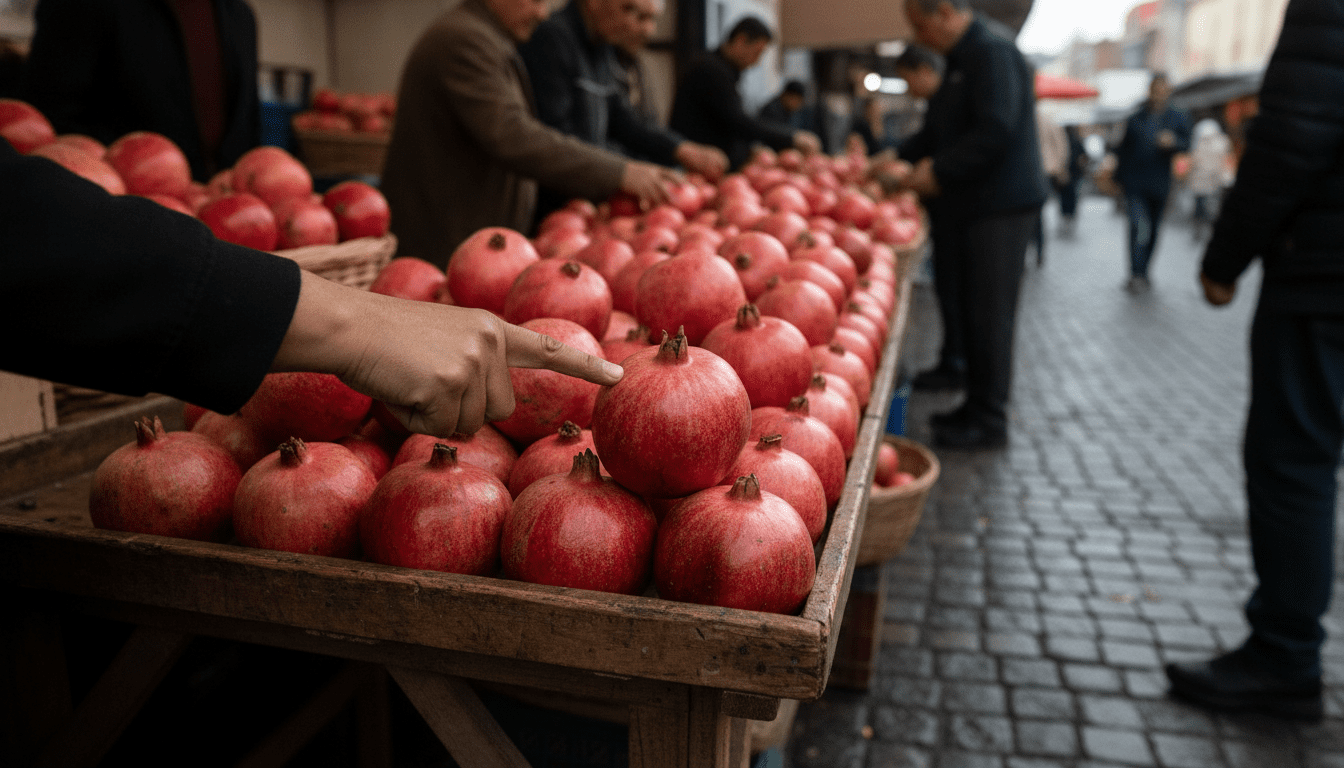
How to Pick the Ripest Pomegranate: Expert Tips on Shape, Weight and Texture
Learn how to pick the ripest pomegranate with expert tips on weight, shape, texture and color to ensure maximum juiciness and antioxidant content for salads.
A simple set of visual and tactile checks can help shoppers pick the ripest pomegranate without cutting the fruit open. Nutritionists and produce specialists say the best indicators are shape, weight and the feel of the skin rather than color alone. These practical tips help consumers choose fruits likely to be juicier, sweeter and higher in antioxidants.
Slightly angular shape signals swollen arils
Experienced produce professionals advise looking for pomegranates that are slightly boxy or angular rather than perfectly spherical. This subtle change in form usually means the arils inside have filled with juice and pushed the rind outward, a sign of peak ripeness. A rounded, perfectly smooth sphere can sometimes indicate underdevelopment rather than ideal sweetness.
Heft and density are better ripeness tests than color
Weight is one of the most reliable indicators of a ripe, juicy pomegranate; heavier fruits tend to contain plumper arils and more juice. Shoppers can compare a few fruits in hand or use a scale when available to choose the heaviest option for its size. Producers say a dense, solid feel is preferable to a light or hollow sensation, which may indicate underripe or dried-out seeds.
Taut, leathery skin suggests freshness and shelf life
Inspecting the rind’s texture gives a clear signal about the fruit’s condition: taut, leathery skin usually indicates a fresh, well-hydrated pomegranate. Fruit with shriveled or excessively soft skin may be overripe, beginning to ferment, or losing juice and flavor. Avoid pomegranates with loose or flaking skin, which can be a sign the interior is past its peak.
Cracks, bruises and mold reduce quality and safety
Visible splits or deep bruises compromise both taste and food safety and should be avoided when selecting fruit. Small surface blemishes are common and often harmless, but any open cracks can allow fungal or bacterial contamination to enter the fruit. Sellers and buyers alike should steer clear of fruit with mold, an off odor, or extensive soft spots.
Color variation does not reliably show ripeness
Rind color ranges widely across pomegranate varieties, from pale pink to deep ruby red, and hue alone is not a dependable guide to ripeness. Experts caution that a less-red exterior can still conceal fully developed, flavorful arils, while patchy or uneven coloration may signal inconsistent ripening. For consistent flavor and nutrient distribution, rely on shape, weight and texture more than surface color.
Handling and brief storage tips to maintain quality
Once chosen, pomegranates store well under cool, dry conditions; refrigeration can extend freshness for several weeks. Handle fruit gently to avoid bruising the seeds, which reduces juiciness and antioxidant levels over time. If you plan to seed the fruit in advance, store extracted arils in an airtight container in the refrigerator and consume within a few days for best texture and flavor.
Many shoppers can improve results with a short routine: compare the shape of several pomegranates, pick the heaviest for its size, and inspect the skin for tautness and any damage. These straightforward checks increase the chance of selecting pomegranates that are both flavorful and nutritious, whether used in salads, sauces or eaten on their own.
