
Süddeutsche Zeitung asks readers to help investigate NSDAP membership database
SZ invites readers to help investigate the NSDAP membership database with confidential collaboration to uncover personal histories and context in Germany.
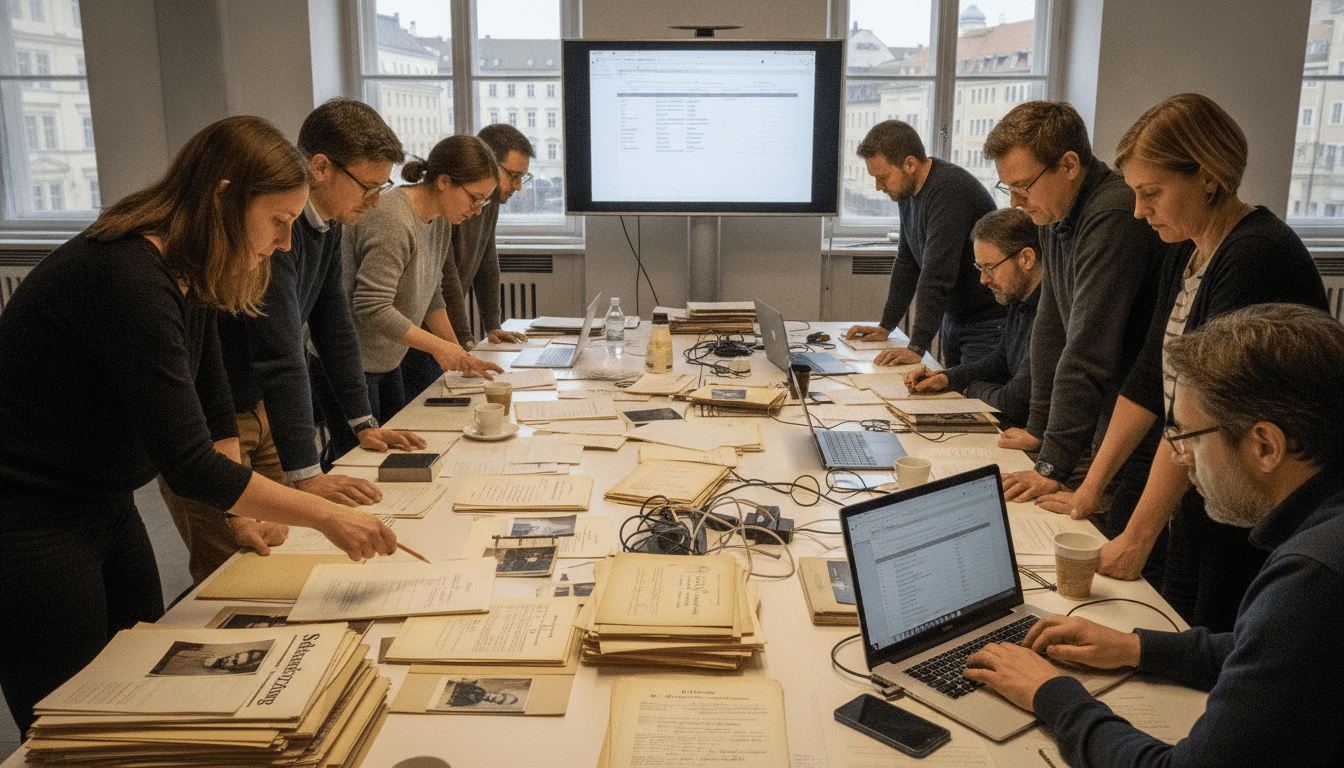
The Süddeutsche Zeitung has issued a public appeal inviting readers to assist reporters in investigating the NSDAP membership database, saying the data provide a starting point but not the full stories behind names. The request for collaboration centers on the millions of records in the archive, which editors say can reveal previously overlooked connections when paired with documents, photographs, and eyewitness accounts. The newsroom emphasizes that data alone cannot explain motive, circumstance or culpability, and that reader contributions are needed to build fuller, historically grounded narratives.
Süddeutsche Zeitung calls for reader collaboration on NSDAP membership database
Editors describe the appeal as an effort to combine institutional research with public knowledge to deepen understanding of individual entries in the NSDAP membership files. The newspaper will review all submissions and pursue the most promising leads with professional standards of verification and context. Contributors who are selected for joint work will be contacted directly and invited to participate in follow-up research.
How newsroom research is using the membership records
Reporters at the Süddeutsche Zeitung say the membership database has already prompted newsroom inquiries and family investigations that produced new historical detail. Staff journalists used the files to trace a reporter’s grandfather, turning a database entry into a narrative about a specific day and place in history. Those newsroom examples underline that a single record can open broader questions requiring archival searches, expert interviews and visits to historical sites.
What information reporters need from contributors
The newsroom requests concise tips that identify names, dates, places or documents that appear in the membership database and merit further scrutiny. Useful submissions include scans or photos of letters, membership cards, family documents, local records and any contemporaneous materials that corroborate or complicate a database entry. Reporters encourage tipsters to explain briefly why they believe a record warrants follow-up and to indicate whether they are willing to share supporting materials and meet with journalists.
Privacy measures and publication procedures
The Süddeutsche Zeitung says all incoming tips will be handled confidentially and that any collaboration or publication will occur only with the contributor’s explicit consent. Messages that do not lead to an active investigation will be deleted in a timely manner, the newsroom states. Selected investigations will follow standard editorial verification practices, including consultation with historians and independent experts, and will aim to present findings with clear evidence and context.
Why public participation matters for historical understanding
Editors argue that the database’s scale—comprising millions of entries—means many individual stories remain obscured without additional documentation and eyewitness testimony. Public contributions can reveal motives, local dynamics and lesser-known episodes that a names-only record cannot convey. By inviting readers to join professional researchers, the newsroom seeks to broaden public understanding of how membership records fit into larger histories of the period.
The newsroom says it will prioritize leads that promise to illuminate wider patterns or correct the historical record beyond single-family genealogies. Submissions that yield verifiable evidence may reshape local or national accounts and contribute to a more nuanced public record. The newspaper frames the project as a collaborative investigation that pairs data-driven research with the contextual knowledge that readers and families hold.
The Süddeutsche Zeitung encourages anyone with relevant information to reach out, noting that successful investigations depend on careful documentation, corroboration and mutual trust between contributors and reporters. The newsroom reiterates its commitment to confidentiality, transparent methods and rigorous verification in pursuing stories that arise from the NSDAP membership database.
Readers who believe they have found entries in the database that deserve further examination are invited to contact the newsroom and describe what they have found and why it matters. The paper says it will read every submission, select the most promising, and proceed with the goal of producing accurate, evidence-based reporting that extends beyond the archive entries themselves.
