
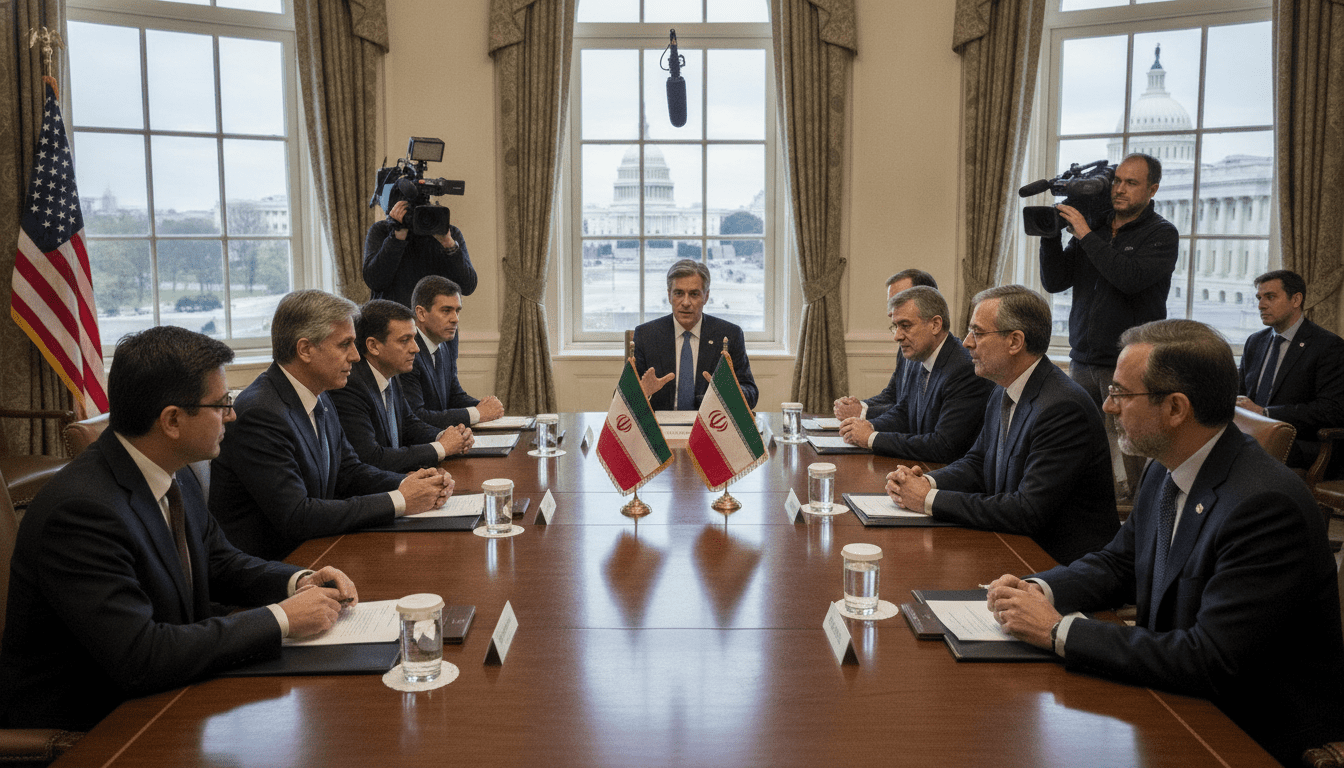
Strait of Hormuz transit fees emerge as major stumbling block in US‑Iran peace talks
US and Iranian negotiators face a key impasse over Strait of Hormuz transit fees after Iran paused planned charges for 60 days while talks continue in Switzerland.
The United States and Iran signed a memorandum this week in Switzerland establishing a 60‑day diplomatic window to halt hostilities and negotiate sanctions relief, nuclear inspections and the future administration of the Strait of Hormuz.
The question of whether Iran can impose long‑term transit fees on commercial shipping has become one of the most contentious issues, with Washington rejecting tolls and Tehran framing new measures as a post‑war assertion of sovereignty.
Rubio rejects tolls on international waters
US Senator Marco Rubio, speaking during a regional tour, said publicly that the United States will not accept any arrangement that permits Iran to charge passage fees on what Washington regards as an international waterway.
Rubio argued that allowing tolls would set a dangerous precedent and suggested he expected regional partners to align with the US position as negotiations move forward.
Iran suspends proposal but signals future change
Iran’s Persian Gulf Strait Authority announced a temporary suspension of planned fees during the 60‑day negotiation period, but Iranian negotiators have made clear that the pause does not amount to abandonment.
Tehran’s chief negotiator, Mohammad Bagher Ghalibaf, described the post‑conflict status of the strait as fundamentally different from the prewar arrangement, signalling a desire to retain leverage over one of the region’s most strategic chokepoints.
Legal precedents and service charge options
Under international law, innocent passage through straits used for international navigation is protected, limiting coastal states’ ability to impose outright tolls solely for transit.
States can, however, charge for discrete services such as pilotage, convoy protection or inspections—models that have precedent in other waterways like the Suez and Panama canals and in straits administered by single sovereign states.
Geography complicates any fee regime
The Strait of Hormuz passes through the territorial waters of both Iran and Oman and connects to routes used by the United Arab Emirates and other Gulf states, complicating any unilateral pricing scheme.
Experts say a sustainable fee or service arrangement would likely require buy‑in from Gulf Cooperation Council members and major powers to avoid sparking renewed disruption to energy and commerce.
Shipping disruption, mines and maritime safety concerns
Vessel transits remain well below prewar levels, when some 120–140 ships crossed the strait daily, carrying roughly one‑fifth of the world’s seaborne oil and gas exports.
Concerns about sea mines and other wartime hazards have kept many operators at a distance, prompting the Joint Maritime Information Center and other maritime partners to warn vessels and coordinate mine‑clearance efforts.
Diplomatic timetable and outstanding political issues
Pakistan and Qatar helped broker the Swiss memorandum and mediators say formal talks are expected to resume early next week as negotiators seek to convert the truce into a broader settlement.
But negotiators face multiple unresolved issues beyond transit fees, including the future of Iran’s nuclear programme, access for international inspectors, the status of frozen Iranian assets and broader questions about foreign military presence in the region.
The fee dispute risks becoming a test case for the durability of any final agreement because it sits at the intersection of sovereignty, commerce and regional security.
Iran views control over shipping as strategic leverage it won during months of confrontation, while the United States and many Gulf states regard unimpeded, toll‑free passage as essential to global markets and maritime norms.
If Tehran insists on a permanent fee mechanism, diplomats say, any practical arrangement would need regional legitimacy and operational guarantees to reassure carriers and insurers.
That, in turn, would likely require substantial concessions on other negotiation tracks or an international oversight mechanism acceptable to both Tehran and key Gulf partners.
For now, the 60‑day suspension has allowed some restricted traffic to resume and created a narrow window for negotiators to bridge differences.
But unless parties can reconcile Iran’s demand for a new maritime role with international legal norms and regional security concerns, the dispute over Strait of Hormuz transit fees could remain the single most destabilising element of the wider effort to convert a ceasefire into a lasting agreement.
