
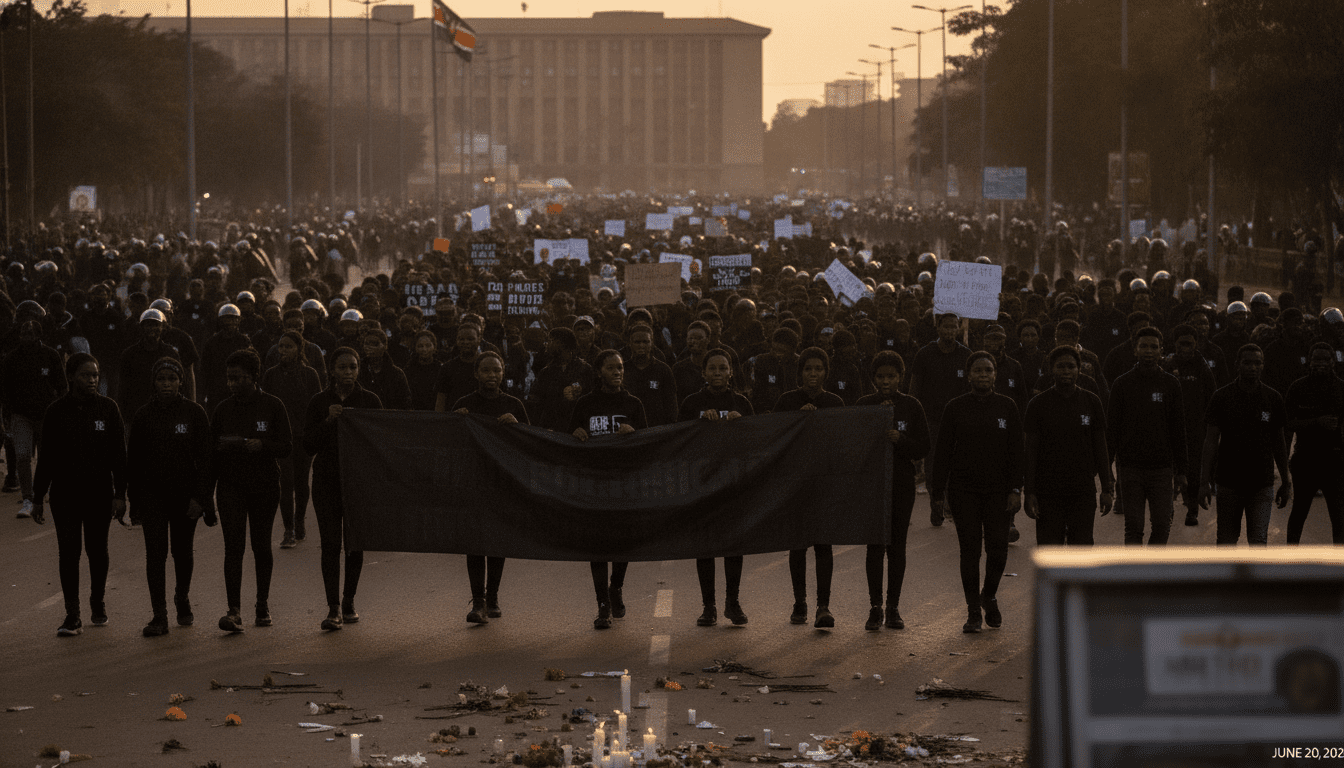
Kenya marks two years since the Gen Z protests with fresh demonstrations and heavy police deployments
Kenya marks two years since the Gen Z protests in Kenya as planned demonstrations and memorials meet heavy police deployments amid renewed calls for justice and accountability.
The second anniversary of the Gen Z protests in Kenya has drawn thousands to the streets and to memorial services across the country on Thursday, as families and activists mourn more than 120 people killed during the unrest. Organisers and civil society groups planned marches and vigils in Nairobi and other major cities while the government ordered an increased security presence to prevent violence. The anniversary underscores unresolved grievances that first erupted over a controversial finance bill in 2024 and have continued to fuel public anger about economic hardship and alleged abuses by security agencies.
Anniversary gatherings and planned demonstrations
Organisers called for peaceful remembrance events timed to the June 2024 crackdown that sparked sustained youth mobilisation, and tens of thousands of young Kenyans were expected to turn out in urban centres. Commemorations included religious services, public vigils and scheduled marches to government buildings in Nairobi and county towns. Authorities warned that any attempt to turn remembrance into violence would be met with force and deployed officers across key routes and civic centres.
Origins of the unrest and the 2024 trigger
The Gen Z protests in Kenya began in 2024 after the government advanced a finance bill intended to raise substantial revenue through new taxes, a move that inflamed public concern about cost of living pressures. Young demonstrators, largely mobilised through social media, pressed demands on unemployment, inequality and corruption and at their height stormed parts of parliament in June 2024. President William Ruto subsequently withdrew parts of the bill for revision, but the episode crystallised wider frustrations among the country’s youth.
Escalation, deaths and the 2025 commemoration
A return of protests in 2025 and a memorial for earlier victims escalated tensions when security forces moved to disperse protesters, resulting in scores of deaths and hundreds of injuries according to rights groups. The killing of blogger Albert Ojwang in police custody further intensified public outrage and renewed calls for accountability. Human rights organisations documented numerous cases of injuries, abductions and disappearances tied to the two-year period of unrest.
Government position and the Finance Act 2026
The Ruto administration has framed its recent Finance Act, 2026 as a pro-growth package aimed at stimulating investment and easing the fiscal burden on business, and officials described protest calls as politically motivated. Speaking at a state event days before the anniversary, President Ruto urged Kenyans to refrain from demonstrations that he said would disrupt schooling and work and risk property damage. Security briefings and public statements signalled a preparedness to deploy significant police resources to maintain order.
Religious leaders, opposition calls and civic mobilisation
Religious institutions and opposition figures have played visible roles in the anniversary activities, with the National Council of Churches of Kenya hosting memorial services and opposition leaders urging nationwide acts of remembrance. Siaya County Governor James Orengo and other opposition figures called for marches, vigils and even symbolic acts such as staying at home to mark the date. Civil society has emphasised nonviolent commemoration while also pressing for public hearings and investigations into killings and disappearances.
Compensation, prosecutions and questions of justice
Last week the government announced a compensation fund of nearly $15 million intended to assist roughly 1,100 people affected by violent protests between 2017 and 2025, describing payments as an acknowledgement that harm occurred. Families and rights activists have rejected compensation alone as sufficient and say it cannot substitute for criminal accountability, noting that only a handful of cases from the 2024–25 period have reached court and no officers have been convicted. International groups including Amnesty International and Human Rights Watch continue to call for independent investigations into alleged abductions and unlawful killings.
The anniversary has therefore become both a moment of private grief and a public test of Kenya’s ability to reconcile demands for justice with the government’s emphasis on stability and economic recovery. As demonstrators, clergy and victims’ relatives gather across the country, the coming weeks will show whether the state’s responses and the promised compensation measures will satisfy calls for truth and accountability, or deepen the grievances that fuelled the Gen Z protests in Kenya.
