
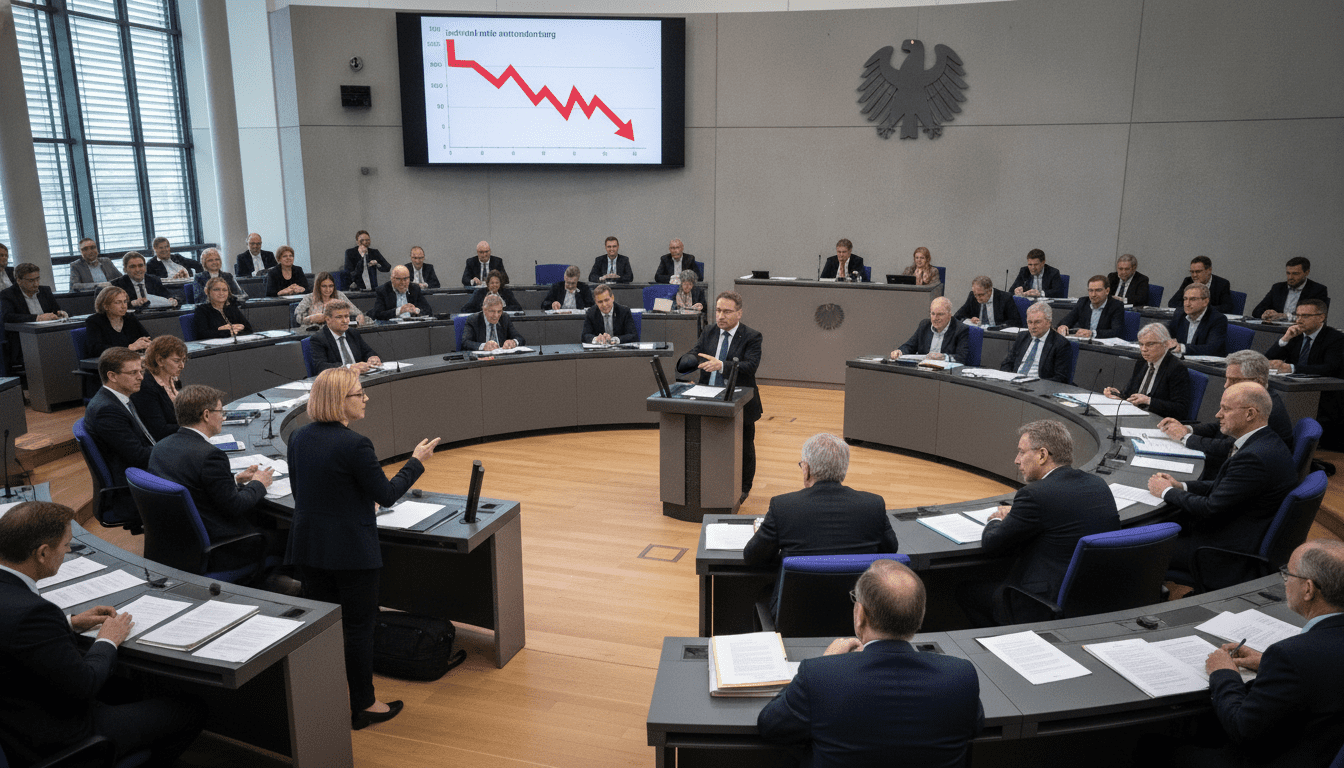
Compulsory schooling debate intensifies as AfD pushes for right to home instruction
AfD’s bid to loosen compulsory schooling draws criticism from Minister Prien as three states file a Bundesrat motion to defend mandatory school attendance.
Germany’s debate over compulsory schooling sharpened this week after the Alternative for Germany (AfD) proposed measures to allow broader home instruction and grant parents the final say in their children’s schooling. Federal Education Minister Prien criticized the proposal as transparently political, and the governments of Thuringia, Saxony-Anhalt and Hamburg have submitted a Bundesrat motion to reinforce mandatory school attendance. The clash has reopened questions about parental rights, state responsibility and the prevention of social fragmentation in education.
AfD proposal and party rationale
The AfD’s platform argues that parents should have the ultimate authority over their children’s education and advocates for formal recognition of a right to home instruction. Party materials frame the change as an expansion of parental freedoms and protection from what it calls the promotion of “questionable” social or political views in schools. Critics, however, contend the move targets distrust in state institutions and seeks to shield children from perspectives that differ from their families’.
Ministerial response and federal stance
Minister Prien publicly rejected the proposal, saying it was politically motivated and posed risks to cohesion within the school system. Federal officials have emphasized the state’s duty to ensure consistent educational standards and to monitor child welfare, responsibilities that are harder to guarantee outside the school environment. Government sources indicate Berlin will scrutinize any legislative attempts to weaken nationwide school attendance requirements.
Legal precedent and concerns about parallel societies
Germany’s Constitutional Court has repeatedly underlined compulsory schooling’s role in preventing social isolation and the formation of parallel societies, placing that function ahead of unrestricted parental discretion. Legal experts note that courts have long balanced parental rights against the state’s interest in social integration and basic civic education. Observers say loosening attendance rules could complicate enforcement of those legal standards and reduce exposure to diverse viewpoints during formative years.
State-level motion in the Bundesrat
Thuringia, Saxony-Anhalt and Hamburg jointly filed a resolution asking the Bundesrat to call on the federal government to strengthen compulsory schooling measures. The short-term aim is to produce a political counterweight to regional AfD initiatives and to make clear that several Länder oppose shifts toward broader homeschooling rights. If the Bundesrat adopts the motion, it would increase pressure on the federal government to propose or preserve legislation that preserves mandatory attendance and oversight.
Education specialists warn of oversight gaps
Teachers’ associations and child welfare groups have warned that expanding home instruction can reduce oversight of learning outcomes and child protection, especially for vulnerable pupils. Experts argue schools serve not only academic functions but also provide socialization, safeguarding and early detection of learning or development issues. They say any policy change would require robust regulatory frameworks and inspection regimes to avoid gaps that could harm children’s rights and safety.
Political implications ahead of regional elections
The issue has immediate political resonance in states where the AfD seeks to expand its influence and where education policy is a voter concern. Opposition parties and centrist blocs have seized on the dispute to portray the AfD’s proposal as divisive, while the AfD presents it as a defense of parental freedom. Analysts suggest the controversy could shape campaign narratives in upcoming regional elections, mobilizing both conservative voters and those worried about social cohesion.
Public debate is likely to continue as the Bundesrat considers the motion and federal actors weigh possible legislative responses. Lawmakers and education officials will face pressure to reconcile parental rights with statutory obligations to protect children’s educational access and to prevent exclusionary practices. The coming weeks may determine whether the debate produces concrete policy shifts or reaffirms existing legal commitments to compulsory schooling.
