
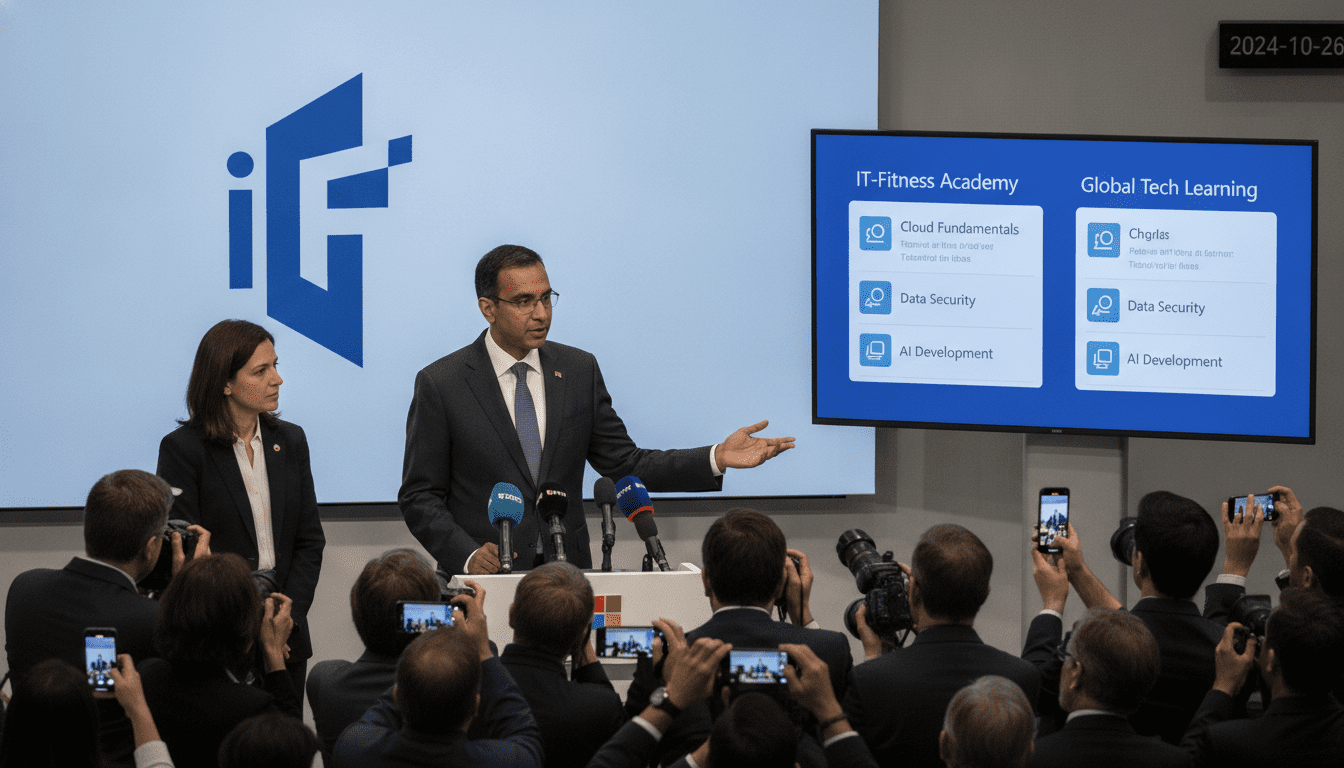
Microsoft training mirrored on IT-Fitness portal raises questions about course independence
Investigators found the IT-Fitness portal hosts Microsoft training-style courses almost identical to official materials, raising concerns about neutrality.
A recent journalistic review found that the IT-Fitness continuing-education portal features a large number of modules in which Microsoft products are the central focus, and many of those modules closely resemble official Microsoft training. The discovery has put a spotlight on the nature of vendor-specific content within publicly available or publicly promoted skills programmes and whether learners are receiving genuinely independent instruction. Microsoft training appears repeatedly across the portal’s course listings and instructional resources, prompting questions from educators and employers about sourcing and oversight.
Portal content heavily focuses on Microsoft products
The IT-Fitness site lists numerous courses that place Microsoft applications and platforms at the centre of their curricula.
Descriptions, lesson structures and learning objectives for many offerings emphasize Microsoft software such as Office suites and cloud services, creating an environment where Microsoft training is ubiquitous rather than one option among many.
Course materials closely resemble vendor documentation
Reviewers noted that the instructional content and exercises on the portal bear strong visual and structural similarities to materials produced by Microsoft itself.
In several instances the modules mirror the sequencing and terminology common to official Microsoft learning paths, making it difficult for an ordinary learner to distinguish between vendor-originated and portal-hosted materials.
Independence and accreditation questions arise
The prevalence of Microsoft training-style content raises potential concerns over the independence of the learning provision and the transparency of partnerships or licensing arrangements.
It is not clear from the portal whether courses are formally licensed, co-branded, or independently produced, and that ambiguity can affect how employers and certification bodies evaluate the training’s legitimacy.
Implications for learners and workforce mobility
Learners who complete courses that follow Microsoft training closely may gain practical skills tied to widely used commercial products, which can enhance immediate employability.
At the same time, heavy reliance on vendor-specific modules can contribute to skill lock-in around particular technologies, reducing exposure to alternative tools and open standards that are also relevant in many workplaces.
Potential oversight and public-interest considerations
Public and private institutions that recommend or fund continuing-education initiatives may need to reassess procurement and quality-assurance practices in light of vendor-dominant content.
Regulators and funding bodies typically expect clarity about who authored course materials and whether content is neutral; the apparent similarity between portal modules and Microsoft’s own training could prompt requests for disclosures or audits.
What educators and employers should consider now
Employers hiring candidates who list IT-Fitness modules on their CVs should verify the scope and authorship of those courses rather than assuming standardised vendor certification.
Training managers and adult-education providers ought to balance vendor-specific instruction with courses that teach transferable concepts, ensuring that learners acquire both practical tool proficiency and broader technical literacy.
The finding that Microsoft training-style content is widespread on the IT-Fitness portal spotlights broader questions about how digital skills are taught and validated in the current market. Transparency about authorship, licensing and assessment standards would help learners, employers and public funders judge the value of the instruction offered.
