
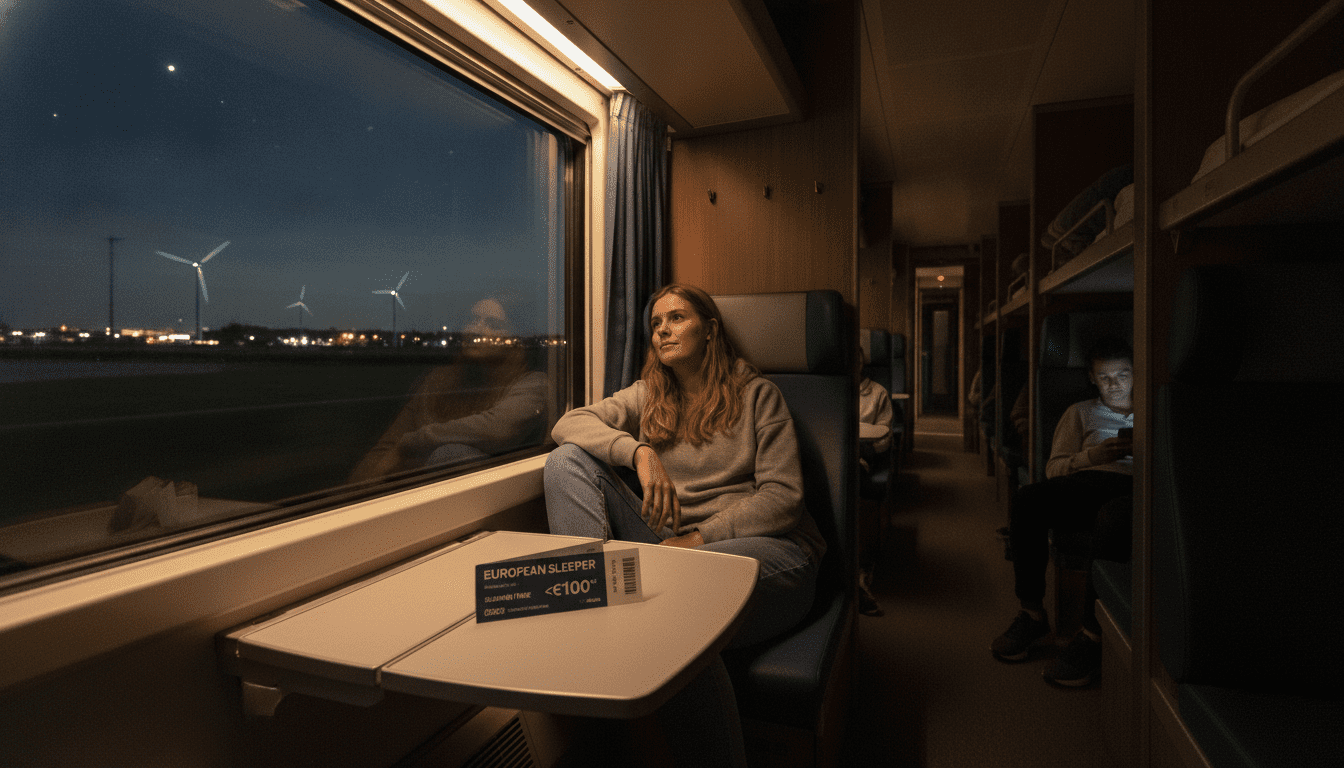
Night Trains in Europe Offer Summer Tickets Under €100, but Operators Face Steep Challenges
Summer analysis shows many night train routes in Europe still sell berth or couchette seats under €100, yet operators report capacity and cost pressures.
Night trains in Europe are offering unexpectedly low fares this summer, with a new analysis by price-comparison platform Nightride published on June 12, 2026, showing average lie-flat or couchette options under €100 on many routes. The study found Berlin–Paris among the cheapest end-to-end connections, averaging about €76 per passenger, while some cross-border corridors command much higher prices. Despite these accessible fares, several carriers report underutilization and mounting financial and infrastructure pressures that cloud the outlook for overnight services.
Routes with the lowest fares
Nightride’s dataset highlights a cluster of affordable overnight connections that remain bookable for summer travel. Routes linking German and French cities, in particular Berlin to Paris, emerged as consistently low-priced, driven by competition and a high frequency of services. Budget-conscious travelers can find couchette or basic sleeper options priced well below €100 on many departures.
Other long-distance corridors also show seasonal discounts and residual inventory, especially on services that are not marketed as premium sleepers. Operators sometimes sell standard berths or shared compartments at reduced rates close to departure to fill trains, which explains the prevalence of lower fares. These tactical pricing moves have broadened access to overnight rail for travelers who might otherwise fly.
Where prices climb highest
The analysis identified notable exceptions where night train travel is comparatively costly, with routes such as Munich to Amsterdam among the priciest. Higher fares on these corridors reflect limited capacity, stronger demand for daytime alternatives, and sometimes the predominance of refurbished or more comfortable sleeper stock. In several cases, peak-season business and tourism flows push prices upward on routes with fewer competing services.
Premium sleeper compartments and private cabins remain the price drivers, often costing several times more than a couchette. Travelers seeking privacy and added amenities should expect to pay substantially more, while shared berths can offer a middle ground for those prioritizing price over comfort.
Occupancy and ticket availability this summer
Contrary to widespread assumptions that night trains sell out months in advance, many services still show available berths at short notice this season. Nightride’s snapshot indicates that several trains have spare capacity, allowing passengers to book standard sleeping accommodations without purchasing the highest-priced couchettes. This pattern is most visible on cross-border overnight runs that face operational or scheduling constraints.
However, availability varies by route and date, and weekend or holiday departures fill faster than midweek services. Travelers should still check inventories early for specific trains, as cheaper fares tend to vanish first and private cabins are the first category to be fully reserved.
Operators’ economic pressures
Rail operators and independent night train companies report significant economic strain, balancing crew, maintenance, and energy costs against ticket revenue. Even where tickets are affordable, margins on overnight services are often thin, and several providers rely on subsidies or partner agreements to keep routes viable. The disparity between headline fares and the real cost of operating sleeper services remains a central challenge for the sector.
Investments in modern sleeper coaches and onboard amenities are expensive, and not all operators have the capital to refurbish aging rolling stock. As a result, some carriers prioritize routes with higher yield or strategic importance, leaving less-profitable connections at risk of reduced frequency or cancellation.
Infrastructure works and timetable disruption
Widespread track maintenance and construction projects across national networks are another factor limiting night train utilization and punctuality. Planned engineering works often take place overnight, directly competing with the slots night trains need and forcing detours, speed restrictions, or cancellations. These disruptions depress occupancy because longer journey times and irregular schedules deter potential passengers.
Infrastructure congestion also complicates the expansion of night services, even where demand exists. Capacity bottlenecks at border crossings and major hubs mean that adding new overnight links requires coordinated timetable planning and costly track upgrades, which can take years to implement.
Practical booking advice for travelers
For those considering night trains in Europe this summer, flexibility on dates and cabin choice yields the best value. Opting for couchettes or shared berths can halve the cost compared with private sleepers, while traveling midweek often unlocks lower fares and greater availability. Booking comparison platforms such as Nightride can reveal tactical deals when operators release last-minute inventory.
Passengers should also factor in potential infrastructure-related delays and check operating company notices for planned engineering work on their intended route. Purchasing flexible or refundable tickets where possible reduces risk, and travelers who prize guaranteed departure times may still prefer daytime high-speed trains for certain city pairs.
Night trains in Europe present a compelling carbon-friendly travel option with unexpectedly affordable fares on many routes, but the sector’s economic fragility and infrastructure constraints mean the availability and quality of services will vary by corridor and date. Careful planning and realistic expectations about comfort and scheduling can help passengers take advantage of lower summer fares while navigating the uncertainties that face overnight rail today.
