
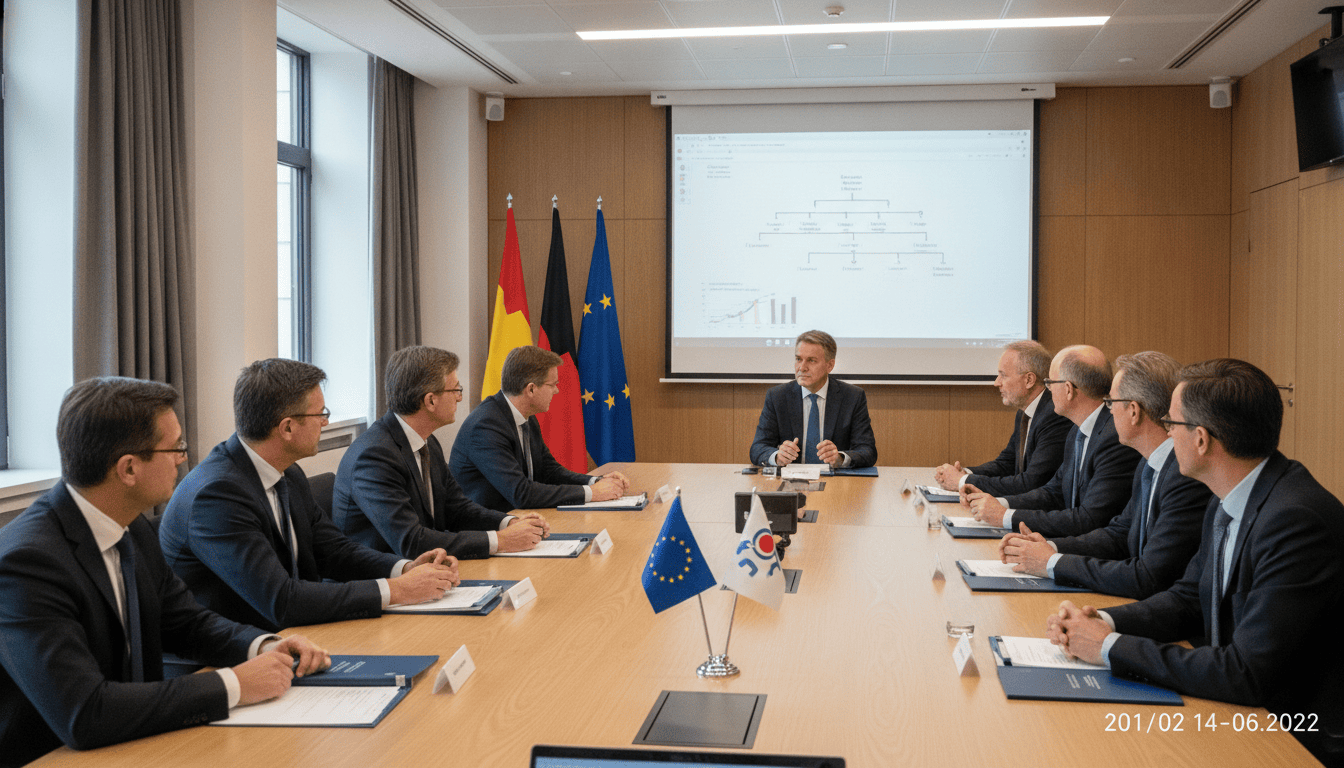
EU coalition urges simpler rules to boost international train travel across Europe
EU coalition urges Transport Minister Steffen Bilger to back simpler ticketing and stronger passenger rights to boost international train travel across Europe
The European Union is being urged to make international train travel easier and more reliable for passengers, with a coalition of consumer groups and companies pressing Germany’s new transport minister to act. The coalition’s letter to Transport Minister Steffen Bilger calls for simplified cross-border ticketing, stronger passenger rights and mandatory sharing of booking data to remove barriers that keep travelers off trains. The push comes as Brussels negotiates a passenger rights package intended to make cross-border rail a genuine alternative to short-haul flights and road trips.
EU plans for a denser high-speed rail network
EU officials and member states have signaled ambitions to expand a pan-European high-speed rail network as part of a broader climate and mobility strategy. Proponents say faster, more connected rail links could reduce short-haul flights and lower transport emissions if paired with user-friendly booking systems and robust protections for passengers. The coalition argues that infrastructure investment must be matched with regulatory changes so customers actually see the benefits in everyday travel.
Industry and consumer groups deliver a joint letter
A broad group of signatories — spanning major corporations, environmental NGOs and passenger associations — delivered a coordinated appeal to Bilger asking Germany to support stronger EU-level rules. Among the backers were large firms, public-interest organizations and advocacy groups that want clearer obligations for operators to make tickets broadly available. The coalition frames the request as a practical step to make international rail commercially viable and easier for both leisure and business travelers.
Survey data shows booking hurdles deter travelers
A representative poll of long-distance rail customers found that complexity in booking practices already turns many travelers away from cross-border journeys. According to the survey, 61 percent of respondents said they had at some point abandoned an international rail trip because the booking process was too complicated, and 43 percent said they would ride the train more often if online booking were simpler. The poll covered several European markets and underscores the coalition’s contention that fragmented sales systems suppress demand.
Ticketing fragmentation described as a ‘patchwork’ problem
Campaigners say the current market is a patchwork in which some operators block third-party sellers or hide competitors’ services on their own platforms, forcing travelers to search multiple sites. The result is confusion and lost sales, with nearly half of respondents expressing a preference to buy all journeys through a single platform. The coalition recommends requiring rail companies to share booking data and display rivals’ services, mirroring interoperability standards already common in other travel sectors.
New market entrants highlight the problem
The debate has gained urgency as new rail providers plan or expand services into Germany, which could intensify competition and highlight the limitations of today’s booking systems. Incoming operators have an interest in being fully visible within dominant national apps and distribution channels, and established incumbents face calls to display those competitors on equal terms. The coalition points to past complaints from challengers who appear in national apps but lack equal access to price comparisons and direct booking functionality.
Specific passenger rights and technical rules sought
Signatories ask Bilger to support three core measures in upcoming EU negotiations: universal visibility of offers across platforms, guaranteed passenger protections for connections involving different operators, and mandatory sharing of booking and timetable data. They also want explicit entitlements for passengers denied same-day arrival, including free onward connections, accommodation and meals when delays or missed connections frustrate travel plans. The coalition argues these protections would align rail travel more closely with consumer expectations shaped by other transport modes.
Brussels’ passenger package offers a legislative window
The coalition sees the European Commission’s passenger rights package as the immediate opportunity to lock in these changes, urging Germany to press for a strong legal framework during transnational talks. Lawmakers and industry negotiators will need to reconcile competing interests between national operators, new entrants and consumer advocates. The letter frames decisive EU action as a way to make the Single European Railway Area deliver tangible everyday benefits for travelers.
The groups behind the appeal argue that harmonized ticketing and firmer passenger rights would not only ease everyday trips but also make rail a realistic component of corporate travel programs and tourism planning. If implemented, the measures could reduce complexity, promote competition and accelerate modal shift from short-haul flights to trains, provided political leaders in Berlin and Brussels secure a binding framework that industry must follow.
