
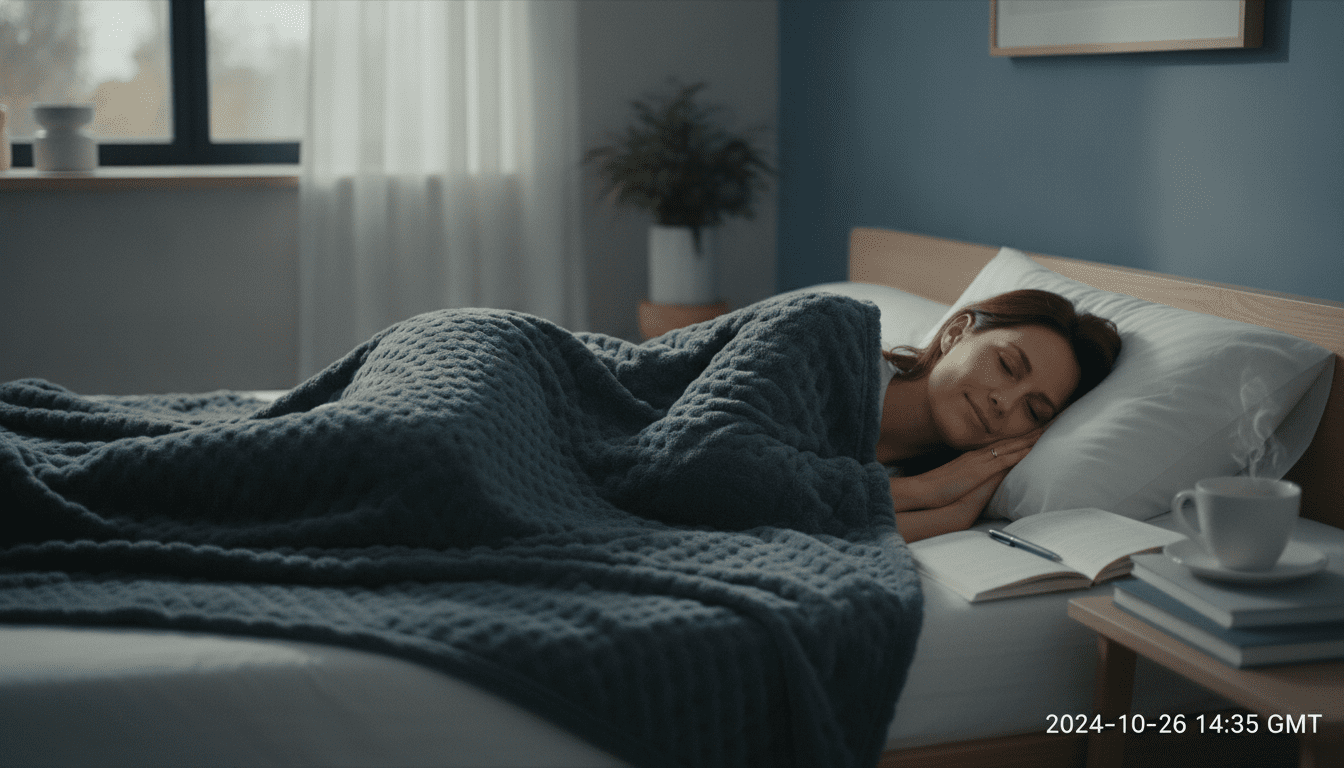
Weighted blankets linked to better sleep and mood in recent studies
New studies and a 2024 analysis show weighted blankets can improve sleep quality, reduce anxiety, and ease symptoms in insomnia, ADHD, and depression.
Recent clinical research and a 2024 meta-analysis have strengthened evidence that the weighted blanket — a heavy comforter designed to deliver deep pressure stimulation — can measurably improve sleep quality and mood for many adults. The growing body of studies reports that people who use a weighted blanket often fall asleep faster, wake less frequently, and experience reduced anxiety, with benefits observed across insomnia, ADHD, and mood disorders. These findings position the weighted blanket as a low-cost, low-risk complementary tool for sleep management, though experts caution that more large-scale trials are still needed.
New analysis consolidates evidence on sleep benefits
A comprehensive review published in 2024 pooled data from multiple trials and concluded that weighted blankets produced small to moderate improvements in self-reported sleep quality and mood. Many of the included studies measured subjective outcomes such as relaxation at bedtime, perceived sleep continuity, and daytime fatigue, finding consistent trends favoring blanket use. Researchers emphasized that while the statistical signal is promising, heterogeneity in study size and design means conclusions should remain cautious until larger randomized trials confirm the effect.
How deep pressure therapy is believed to work
Weighted blankets employ deep pressure therapy (DPT), a technique that applies steady, distributed weight across the body to create a sensation similar to a firm hug. DPT is thought to activate the parasympathetic nervous system, which counters the fight-or-flight response and promotes physiological calm. Some studies suggest this pressure can increase release of neurotransmitters and hormones associated with relaxation — including serotonin and potentially melatonin — which may help users fall asleep more quickly and maintain deeper sleep stages.
Clinical results across conditions
Trials have tested weighted blankets in a range of populations, producing benefits in several groups. Adults with chronic insomnia have reported improved sleep scores and lower daytime fatigue after nightly use for several weeks. People diagnosed with anxiety disorders, depression, ADHD, or autism spectrum conditions have also reported better sleep quality and reduced symptom severity in many small trials. The strongest evidence currently comes from self-reported measures and short-term studies, with objective sleep-monitoring data still limited.
Safety guidance and groups who should avoid them
For most healthy adults and older children, weighted blankets are safe when selected and used correctly. Experts generally recommend a blanket weighing roughly 7–12 pounds for the average adult, and often suggest a blanket that is about 7–10% of the user’s body weight so it provides pressure without impairing mobility. However, young children under three years and individuals who cannot easily remove the blanket — such as some older adults with limited strength — should not use weighted blankets. People with certain respiratory or circulatory conditions should consult a clinician before trying one.
What to consider when buying a weighted blanket
Material, weight distribution, and breathability are key factors when choosing a weighted blanket. Look for high-quality stitching and evenly distributed filling such as sewn-in glass beads or hypoallergenic pellets to prevent shifting and create consistent pressure. Those who run hot at night should prioritize breathable fabrics or cooling layers to avoid overheating. A well-fitted cover that is washable will improve hygiene and longevity, and testing the blanket at home for a few nights can help determine the right weight and fabric for comfort.
Consumers should also check return policies and trial periods, since individual response varies and comfort is subjective. Cost can range widely, so balancing durability and materials against budget is important for long-term use.
The expanding research base suggests weighted blankets can be a useful, non-pharmacological aid for improving sleep and reducing anxiety symptoms for many people. Individuals considering a weighted blanket should follow weight and safety recommendations and consult a healthcare provider if they have serious medical concerns before starting nightly use.
