
Coupang $408m fine imposed by South Korea over leak exposing more than 33 million customers
South Korea levies $408m penalty on Coupang for a massive data breach and delayed notification, citing inadequate safety measures and regulatory failures.
Coupang $408m fine announced by South Korea’s data protection authority on Thursday caps a sweeping finding that the e-commerce group exposed personal information belonging to more than 33 million customers. The Personal Information Protection Commission (PIPC) said the company failed to report the incident within the 72-hour window required by law and did not implement adequate safeguards commensurate with its business scale. The record penalty immediately drew political scrutiny at home and calls from overseas lawmakers who have criticized the handling of the case.
Regulator’s ruling and penalty details
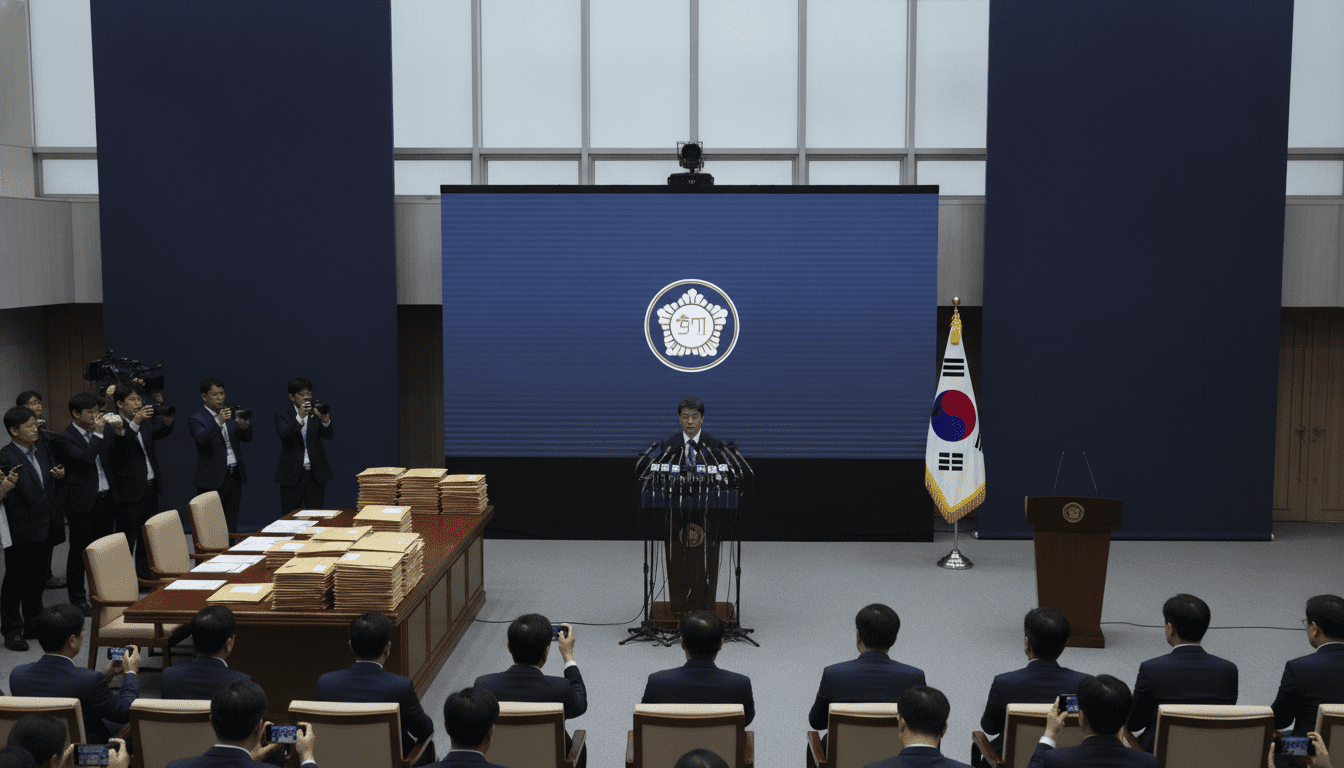
The PIPC concluded that Coupang’s security shortcomings — not an advanced external hack — led to unauthorized access to customer accounts, the regulator said in its decision. Chairperson Song Kyung-hee told a briefing that the company delayed breach notifications, depriving affected individuals of the chance to mitigate secondary harm. The commission levied the $408 million fine as the largest data-protection penalty in South Korea’s history, far exceeding last year’s $88 million sanction against SK Telecom.
The regulator emphasized both the scale of the leak and the procedural failures in reporting, citing the statutory 72-hour notification requirement. The decision reflects an intensified enforcement environment in Seoul, where authorities have been tightening oversight of large platforms that hold extensive personal data. The ruling also signals regulators’ growing willingness to impose heavy financial consequences for lapses in data governance.
Extent of the leak and technical findings
Authorities said the breach affected more than 33 million customer records, a number that represents a substantial portion of South Korea’s digital consumer base. A government-led probe earlier this year attributed the incident to management failures that allowed an insider to exfiltrate credentials and a security key, enabling unauthorized account access. Investigators described the incident as preventable through basic controls and monitoring that Coupang did not sufficiently maintain.
Officials from the Ministry of Science and ICT reported that a former employee stole a security key and used it to access customer information, according to the public report. That finding underpinned the regulator’s view that the breach stemmed from internal control weaknesses rather than a novel, sophisticated external attack. The technical assessment informed both the size of the sanction and recommendations for stricter operational safeguards across the sector.
Coupang’s public response and legal strategy
Coupang issued an apology to customers and the public after the penalty was announced, saying it regretted causing concern and that it had taken measures to prevent secondary harm following last year’s incident. In its statement the company argued that its actions to limit further damage and its explanations were not fully reflected in the regulator’s decision. Coupang, which is listed in New York and has corporate ties to Seattle while deriving most revenue in South Korea, has indicated it will challenge the fine in court.
The company framed the upcoming legal contest as necessary to protect its interests and to ensure a balanced evaluation of the facts. Legal analysts say an appeal could prolong the dispute and keep critical technical details under legal seal while courts review the regulator’s methodology. Regardless of the outcome, Coupang faces reputational and operational consequences as it deals with renewed scrutiny from customers and business partners.
Government oversight and political fallout
The enforcement action followed heightened attention from both South Korean and U.S. lawmakers, with the case becoming entwined in broader trade and regulatory tensions. Earlier this year U.S. Republicans accused Seoul of discriminatory regulatory treatment of U.S.-listed companies, and South Korean legislators subsequently raised concerns about pressure from U.S. politicians. A joint letter from South Korean lawmakers warned against outside interference, illustrating the diplomatic sensitivity that has accompanied the case.
The dispute has highlighted friction between data-protection priorities and international business relations, prompting debate over the proper balance between consumer safeguards and regulatory consistency for foreign-listed firms. Seoul’s strengthened oversight is likely to reverberate across the country’s technology and logistics sectors as regulators signal a tougher stance on enterprises that hold large volumes of personal data.
Market implications and industry reaction
Coupang is estimated to control roughly 40 percent of South Korea’s logistics market, a dominant position that amplifies the regulatory and customer impact of the breach. Market watchers say the fine will prompt competitors and partners to reassess contract terms, insurance coverage, and compliance obligations. For investors, the penalty introduces near-term uncertainty about fines, litigation costs, and potential business disruption even as the company continues to serve a large consumer base.
Industry groups and data-security specialists are likely to press for clearer guidance and stricter standards across platforms that process sensitive personal information. The ruling may accelerate adoption of enhanced encryption, access controls, and third-party audits, as companies look to avoid similar enforcement actions. Regulators elsewhere will be watching the legal challenge to determine how far enforcement can extend when management and procedural lapses are implicated.
The coming weeks will determine whether Coupang’s planned court challenge alters the PIPC’s order or establishes new precedent for enforcement against large digital platforms.
