
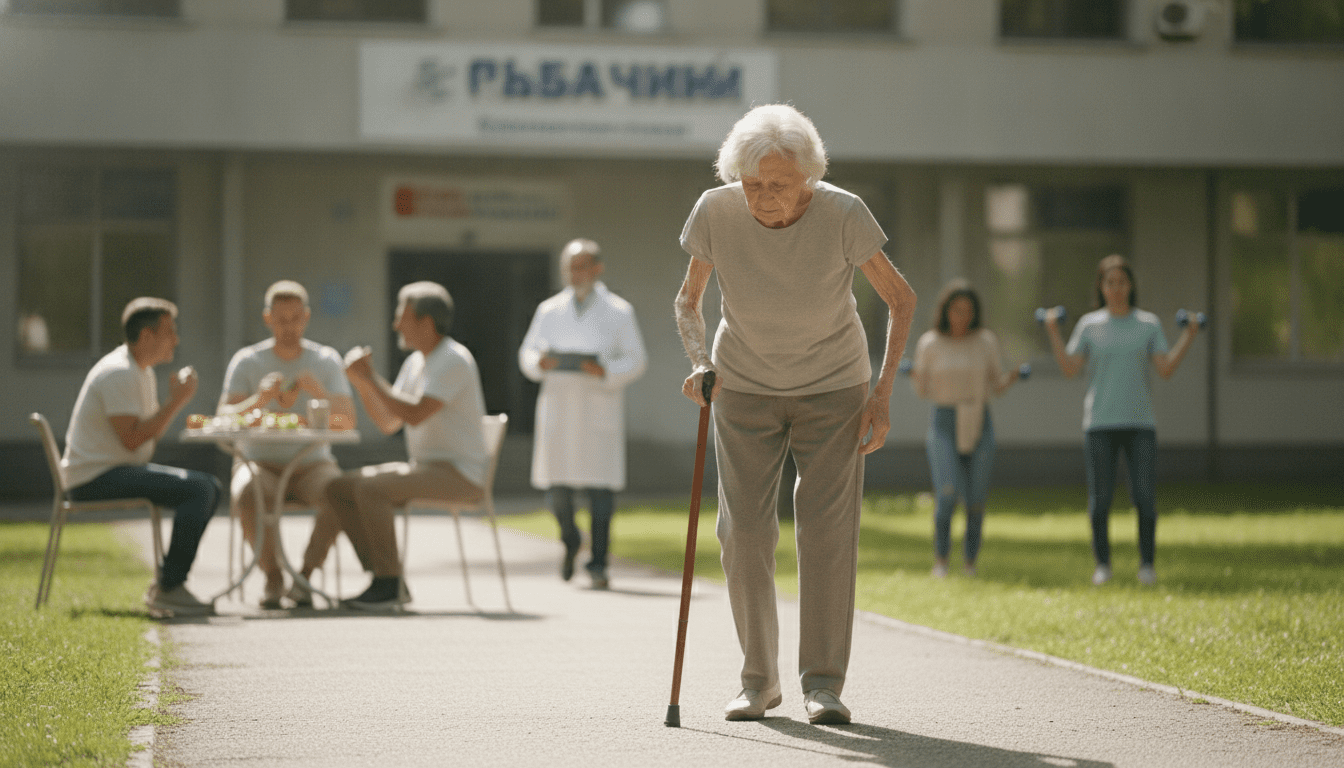
Experts urge early screening and strength training to combat sarcopenia in older adults
Health authorities highlight early recognition of sarcopenia, recommending screening, resistance exercise, and targeted nutrition to preserve muscle and prevent complications.
Sarcopenia — the progressive loss of muscle mass and strength associated with ageing — is drawing renewed attention from clinicians who say early screening and lifestyle measures can blunt disability and downstream disease risk. The condition, which commonly begins with measurable declines in muscle size and function between ages 30 and 50 and becomes more prevalent after 60, can make walking, stair-climbing and basic lifting increasingly difficult. Medical experts recommend routine assessment for at-risk adults and emphasize resistance training and adequate protein intake as the mainstays of management.
Sarcopenia risk factors and causes
Aging is the primary driver of sarcopenia, but several biological processes accelerate muscle decline. Changes in body composition that promote fat gain and insulin resistance, reductions in anabolic hormones such as testosterone and growth factors, chronic low-grade inflammation, and loss of motor neurons all contribute to progressive muscle wasting. Physical inactivity, inadequate protein intake and obesity further increase the likelihood that an older person will develop clinically significant muscle weakness.
Sarcopenia can also occur in younger adults under certain conditions. People with chronic inflammatory disease, malnutrition or cachexia — a syndrome of extreme weight loss and muscle wasting — are at higher risk of premature muscle loss and functional decline.
Recognizing symptoms and daily impacts
Patients and caregivers should watch for early functional signs that point to sarcopenia. Slower walking speed, difficulty rising from a chair, trouble climbing stairs, a higher frequency of falls, and trouble carrying groceries or household items are common warning signs. Many people also develop increased fat infiltration into muscle, which reduces strength even when body weight appears stable.
Because symptoms often emerge gradually, they are easily dismissed as normal ageing. Timely recognition, however, is important: once functional limitations appear, the risk of fractures, hospitalisation and loss of independence rises.
Screening and diagnostic tools clinicians use
There is no single test that definitively diagnoses sarcopenia; clinicians combine screening questionnaires and physical measures to identify probable cases. The SARC-F questionnaire is often used as an initial screen, asking about strength, assistance in walking, rising from a chair, climbing stairs and falls; a higher score signals the need for further evaluation.
Objective measures such as handgrip strength and the chair-stand test help quantify muscle strength, while gait speed and timed mobility tests assess functional performance. Where available, imaging or body-composition tools including MRI, CT, DXA and bioimpedance analysis can provide more precise estimates of muscle mass and quality.
Clinical thresholds and performance tests
Certain cutoffs help clinicians stratify severity and guide management. A habitual walking speed under 0.8 meters per second, a timed up-and-go exceeding about 20 seconds, or a Short Physical Performance Battery score below eight are commonly used indicators of poor physical performance. The 400-meter walk test and repeated chair stands offer additional information about endurance and lower-limb power.
These performance-based benchmarks are valuable because they link measured deficits to real-world function and risk; slower gait speed and poor performance correlate with higher rates of falls, hospitalisation and mortality in older populations.
Lifestyle interventions: exercise and nutrition
There are currently no approved drug treatments for sarcopenia, so clinicians focus on lifestyle strategies to restore and preserve muscle. Progressive resistance training two to three times per week is the most consistently effective intervention to increase muscle strength and improve mobility. Exercise programs should be tailored to health status and begun after medical review.
Nutrition plays a complementary role. Clinicians commonly recommend 20–35 grams of high-quality protein per meal and, for some individuals, a daily protein target in the range of 1.6–1.8 grams per kilogram of body weight. Vitamin D and other micronutrients such as B vitamins, vitamin C, calcium, selenium and magnesium may be advised when deficiencies are present or dietary intake is inadequate.
Complications, comorbidities and long-term outlook
Sarcopenia does not occur in isolation; it is associated with a higher incidence of cardiovascular disease, impaired glucose metabolism and type 2 diabetes, and an elevated risk of osteoporosis and fractures. Studies have also linked sarcopenia with cognitive decline and depressive symptoms, and with worse outcomes after major surgery or in chronic illnesses such as heart failure and end-stage renal disease.
Early detection and combined exercise–nutrition approaches can slow progression, reduce disability and improve quality of life. Clinicians stress that monitoring, regular physical exams and prompt reporting of functional change are key to better long-term outcomes.
For individuals and caregivers, practical steps include seeking screening when mobility or strength declines, consulting a physician before beginning new exercise regimens, prioritizing resistance-based activity and ensuring sufficient protein and vitamin D intake. These measures can make a measurable difference in preserving independence and reducing the health burdens linked to sarcopenia.
