
Iran says Iran-US agreement “has not been finalised” after US signalled decision
Iran denies a final Iran-US agreement after the US signalled a decision; Tehran says talks remain unfinished and key issues still unresolved on 29 May 2026.
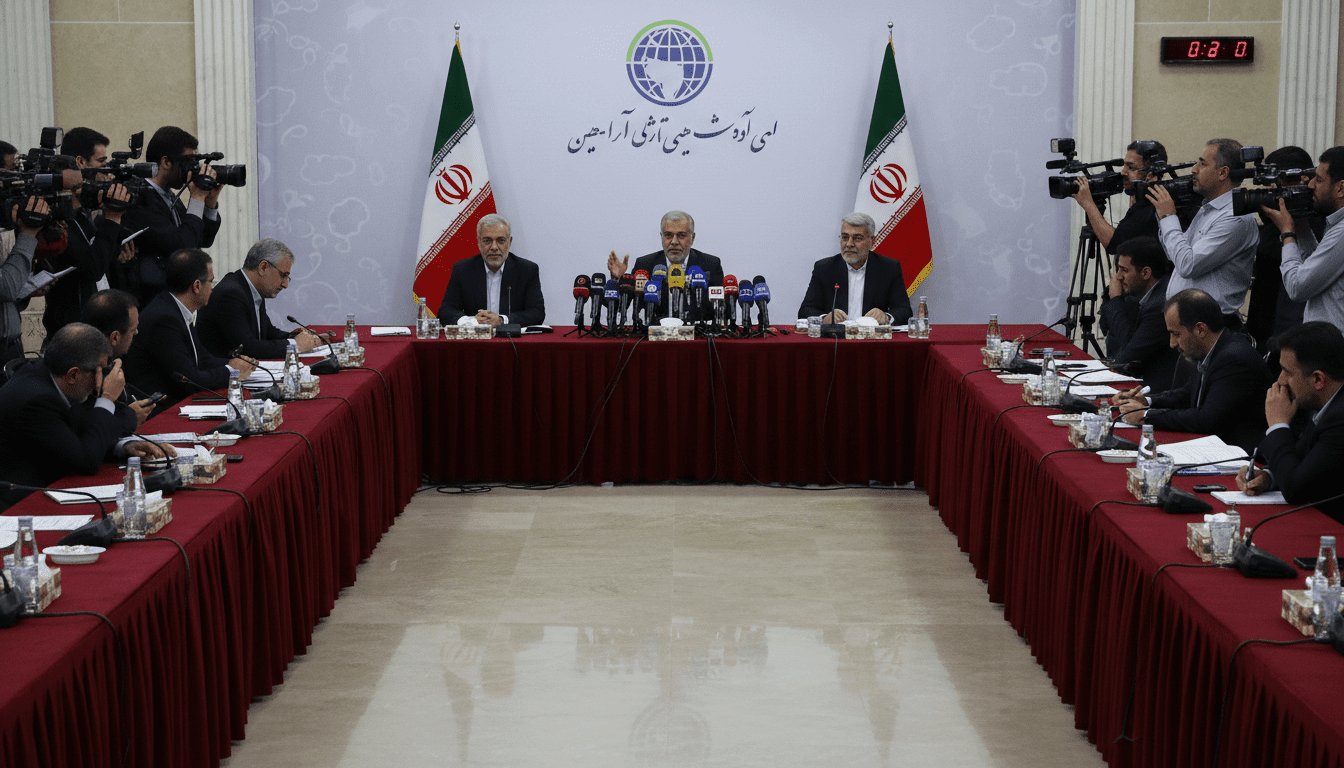
Iranian state media quoted Foreign Ministry spokesman Esmail Baghaei on 29 May 2026 saying a proposed Iran-US agreement “has not been finalised,” contradicting a US statement that a final determination was imminent. The dispute over whether a deal is near completion has injected fresh uncertainty into months of talks aimed at resolving long-standing differences. Both capitals described active engagement, but Tehran’s comments underline persistent gaps over core elements of any Iran-US agreement.
Iranian Foreign Ministry rejects finalisation claim
Esmail Baghaei told state outlets that Tehran had not finalised an agreement with Washington and pushed back against language suggesting otherwise. His remarks were presented as an official clarification after US comments that implied the administration was close to making a conclusive determination. The ministry’s statement framed the status as ongoing negotiations rather than a concluded arrangement.
U.S. presidential statement and Washington’s stance
President Donald Trump had earlier said his administration was making a “final determination” on a potential deal with Iran, a formulation that suggested imminent policy action from the White House. Washington spokespeople have described the deliberations as part of a broader review of diplomatic options, but have declined to announce binding terms. The contrast between the US tone and Tehran’s rejection has highlighted the fragility of public messaging around sensitive diplomatic negotiations.
Negotiation substance and unresolved issues
Officials on both sides have repeatedly identified a cluster of core issues that must be settled before any Iran-US agreement can be adopted. These typically include the scope of Iran’s nuclear activities, the sequence and scale of sanctions relief, and the mechanisms for verification and inspections. Each side has signalled flexibility on some technical points, but sovereignty, sequencing and enforcement remain sticking points that negotiators have yet to bridge.
Diplomatic choreography and intermediary roles
Talks have involved direct and indirect contacts, with third-party mediators and international institutions often facilitating technical exchanges. European capitals, United Nations experts and regional interlocutors have worked quietly to keep channels open while avoiding public interference. The differing public statements from Tehran and Washington show how diplomatic choreography can shift rapidly as negotiators weigh domestic political pressures alongside international obligations.
Regional reactions and international implications
Governments across the Middle East and beyond are watching the Iran-US talks closely, mindful that any agreement could reshape security and economic calculations. Regional rivals have voiced concern privately about how a deal might alter military and deterrence balances, while international economic actors are attentive to potential sanctions relief and market impacts. Multilateral institutions have reiterated the need for rigorous verification and compliance mechanisms should an agreement be reached.
Analysts assess probability and next steps
Foreign policy analysts say the latest exchange of statements is not uncommon in protracted diplomacy, where parties publicly stake out positions while technical teams continue work behind the scenes. Some experts caution that claims about imminent finalisation often reflect domestic political signaling rather than negotiated reality. Most observers expect continued talks in coming weeks, with incremental technical progress possible even if headline-level consensus remains distant.
The immediate outcome is that both Tehran and Washington continue to describe the process in different terms: the United States signalling a nearing decision while Iran insists no final deal exists. That gap in public narratives makes timeline predictions difficult, and it leaves international stakeholders braced for further negotiations rather than a concluded pact.
