
Dental care in Gaza collapses as import curbs and price spikes leave patients untreated
Import curbs and supply shortages have pushed dental care in Gaza out of reach for many, forcing delays, extractions and infections that compound a shattered health system. (160 characters)
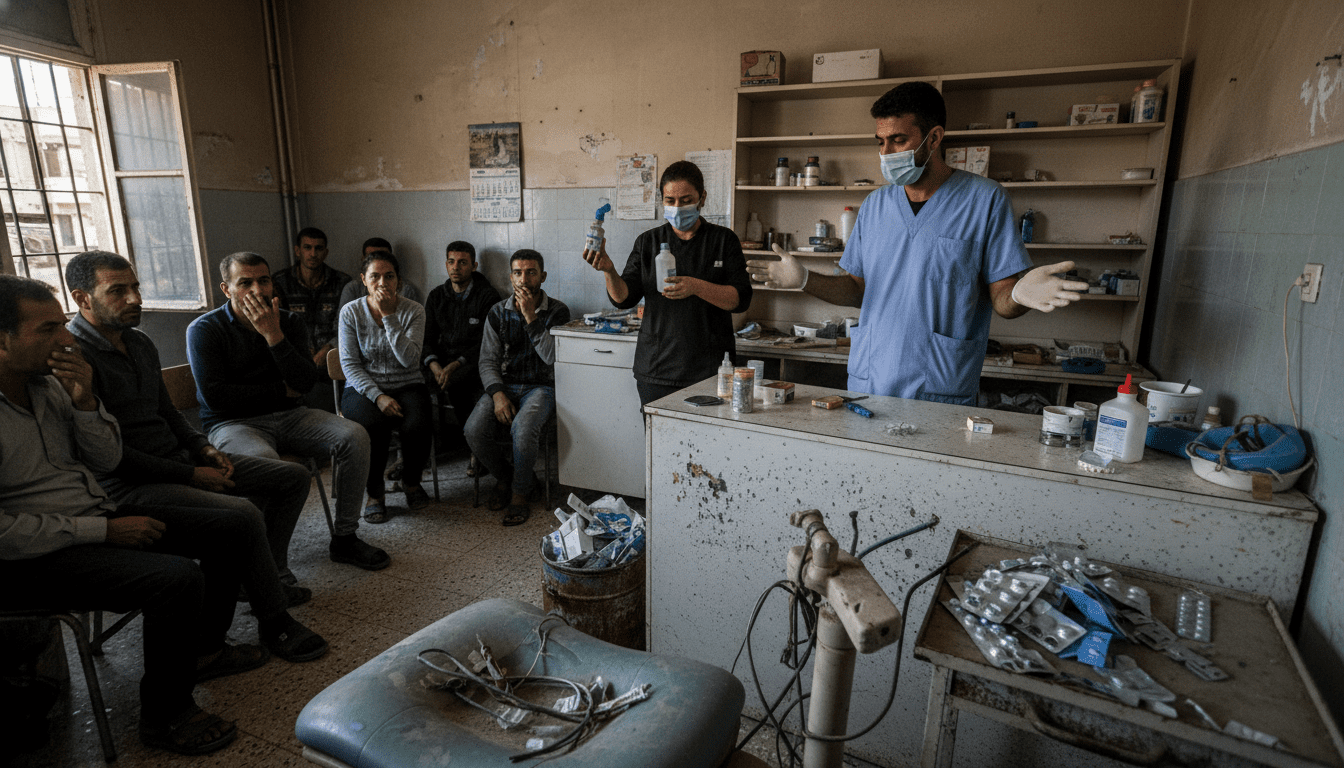
Fifty-year-old Murad Haji sat in a makeshift clinic in Nuseirat refugee camp, gripping his jaw as a tooth infection spread into his face, emblematic of a broader collapse in dental care in Gaza. Patients and clinicians say rising prices and shortages of basic materials — from anaesthetics to impression putty — mean simple treatments now carry prohibitive costs. Clinics report that many patients delay care until pain becomes unbearable, turning cases that once took days into complicated, expensive procedures. The crisis unfolds against widespread damage to Gaza’s health infrastructure since October 2023, deepening barriers to routine and emergency oral healthcare.
Patients postpone treatment as costs outpace incomes
Many residents described choosing between a dentist and buying food, with treatment quotes of a few hundred Israeli shekels equating to several days of groceries. Patients report taking painkillers or living with infections rather than paying rising clinic fees, increasing the risk of complications that can require surgery. Dentists say delayed visits transform treatable problems into advanced abscesses and systemic infections. For low-income families in refugee camps, the decision to wait is often the only one they can afford.
Dental suppliers and clinics cite import restrictions for shortages
Dentists in Gaza attribute the sharp rise in prices to restricted imports of medical and dental supplies, with some items reportedly labeled non-essential at border crossings. Clinic managers describe a market where local suppliers set steep prices because alternatives are unavailable. The scarcity has forced clinics to ration materials, delay non-urgent work and limit procedures to those they can safely perform with what remains. Practitioners say the classification of certain dental products as cosmetic has had an outsized effect on everyday care.
Key materials have surged in price, raising treatment costs
Clinic staff gave examples of dramatic price increases that have altered the economics of care: a box of anaesthetic rising from roughly 150 shekels to about 500 shekels, and dental impression material jumping from around 150 shekels to several thousand. Costs for basic procedures that were once modest have multiplied, and single-use instruments now add to overheads. Where a simple extraction once cost between 30 and 150 shekels, surgical and restorative work have become financially out of reach for many patients. These shifts have forced clinics to operate on thinner margins while demand grows.
Dental staff balance clinical judgment and financial reality
Dentists and clinic managers say they spend as much time negotiating payment and rationing supplies as they do treating patients. Some encourage extraction as the least expensive path to relief, even when alternative conservative treatments might preserve the tooth. Clinicians describe the moral strain of turning away patients who cannot pay and of watching infections worsen because families delay care. Others attempt interim measures — antibiotics and pain control — to stabilise patients until definitive treatment can be afforded or procured.
Damage to Gaza’s health infrastructure compounds the problem
The collapse in dental services occurs amid broader destruction of health facilities; the World Health Organization reports that a large share of Gaza’s medical infrastructure was damaged or destroyed after the outbreak of hostilities in October 2023. With many hospitals and clinics out of commission, dental care has shifted to temporary tents and improvised spaces lacking full sterilisation and equipment. These conditions increase infection risk and limit the range of safe procedures, putting further pressure on both patients and providers.
Dentists and clinic managers say the cascading effects of supply shortages, price inflation and facility damage mean the oral health consequences will be long-term. Preventable conditions are progressing to chronic problems, children are missing early care, and adults face procedures that could have been avoided. Providers warn that without a steady flow of essential supplies and repair of healthcare sites, the backlog of untreated dental disease will grow, adding to Gaza’s mounting public health challenges.
