
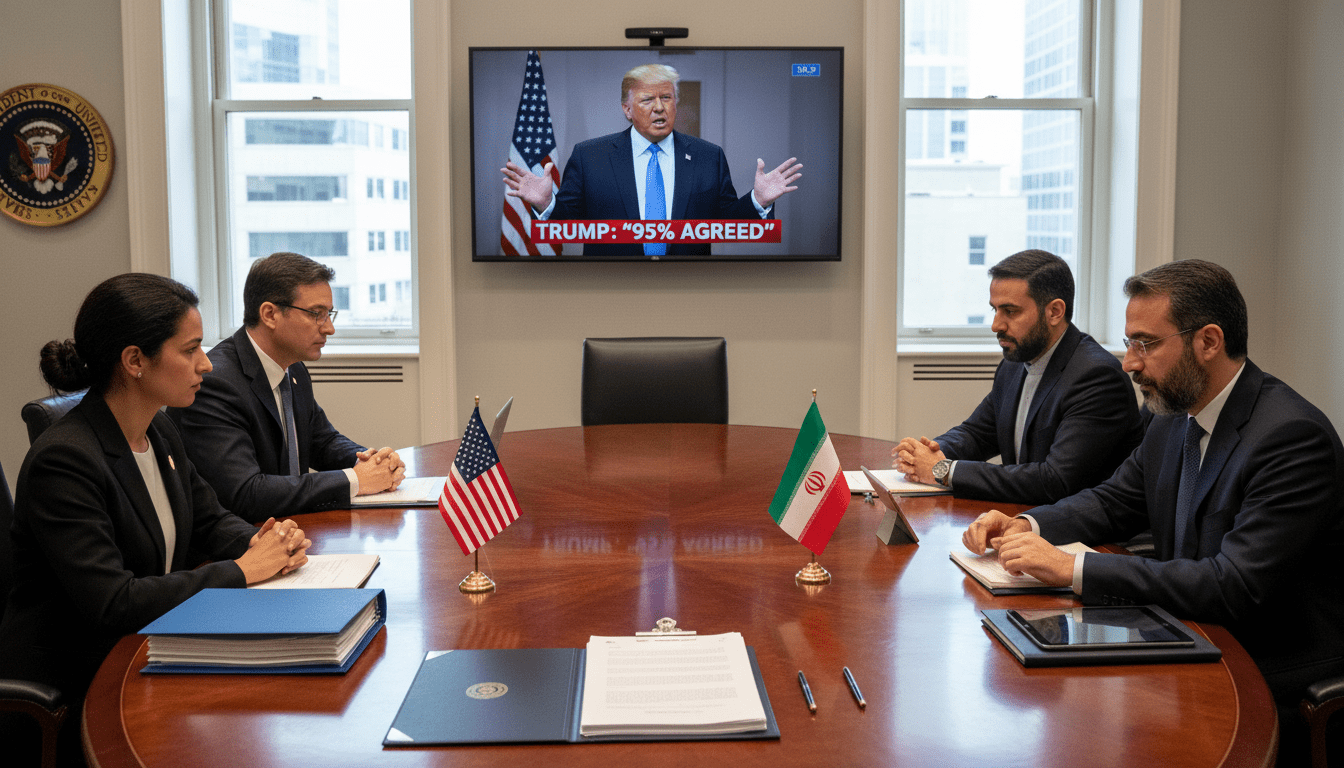
US-Iran deal reportedly 95% complete as talks focus on final wording
Diplomatic sources say the US-Iran deal nears completion, with negotiators finalizing language while regional fighting in Lebanon continues to complicate prospects.
Breakthrough Claims and Caution from Washington
Negotiators from the United States and Iran are reportedly converging on a framework that US officials describe as largely settled, with most outstanding provisions reduced to final wording. The emerging US-Iran deal has prompted cautious optimism in diplomatic circles, though senior figures have urged patience to avoid a rushed outcome.
Donald Trump has signalled that while substantial progress has been made, his team should take the time necessary to secure what he calls the right result. That stance reflects a balance between political urgency and the desire to lock in precise commitments before formalizing any agreement.
Key Provisions Under Discussion
Diplomatic accounts indicate negotiators are focusing on operational details, including measures related to maritime access and ceasefire arrangements in adjacent conflict zones. One reported element under consideration is the reopening of the Strait of Hormuz to commercial traffic as part of confidence-building steps linked to the broader package.
Other elements being negotiated include verification language, timelines for reciprocal steps, and mechanisms for dispute resolution that would govern implementation. These were described by sources as the last items preventing an immediate text-based conclusion.
Market and Shipping Responses
Financial markets reacted to the prospect of an agreement, with Brent crude oil prices slipping below $100 a barrel as traders priced in a reduced risk premium. Energy analysts noted that even tentative signs of de-escalation in the Gulf tend to have an immediate effect on oil futures and shipping insurance rates.
Commercial ship movements have also shown early signs of normalization, with tankers bound for Pakistan and China reported to be exiting the Strait of Hormuz as navigational conditions improved. Shipping firms, however, cautioned that operational changes would depend on formal security assurances and on-the-ground conditions.
Security Situation in Lebanon Remains Volatile
Despite diplomatic momentum on the nuclear and maritime front, hostilities continue along the Israel-Lebanon frontier, complicating regional stability. Israeli military orders for evacuations in ten southern Lebanese villages signal an expectation of further operations, while Hezbollah has reported resumed attacks against Israeli forces.
Israeli strikes have been reported to have caused civilian casualties, and Lebanon’s president has renewed calls for a complete Israeli withdrawal from Lebanese territory. Regional diplomats warn that escalation in Lebanon could undermine confidence-building measures tied to the US-Iran deal if hostilities spread.
Political Debate in Washington
The prospect of a near-complete US-Iran deal has sparked scrutiny on Capitol Hill, with lawmakers from both parties raising questions about the content and oversight of any agreement. Some members of Congress have pressed for clear reporting requirements and enforceable compliance mechanisms before funding or sanction relief moves forward.
Senator Marco Rubio and other prominent legislators reiterated that a “solid” proposal must be attainable and that any deal should not be accepted if it fails to meet American strategic interests. Lawmakers are also watching for classified briefings and potential legislative responses that could shape final approval and implementation.
Next Steps and Diplomatic Timetable
Officials involved in the negotiations say working groups will now turn to drafting exact text and legal language, a process that can take days or weeks depending on complexity and political sensitivities. The window for finalizing a deal will hinge on mutual confidence, the sequencing of reciprocal steps, and parallel diplomatic efforts to contain related conflicts.
Even with much of the framework reportedly agreed, diplomats emphasise that signatures and implementation protocols remain critical milestones. Observers note that endorsing bodies in Tehran and Washington will likely require time to review any final package before moving to formal acceptance.
Potential Regional Implications
If concluded, the US-Iran deal could produce immediate practical effects, such as eased maritime tensions and adjustments in energy markets, while also shaping broader diplomatic dynamics across the Middle East. Conversely, any collapse or delay could reinstate higher risk premiums for oil and prolong instability in theatres like Lebanon.
Regional governments and commercial actors are watching for clear signals of commitment from both sides, including tangible steps to reduce hostilities and mechanisms to enforce compliance. Analysts caution that a lasting outcome will depend on sustained diplomacy beyond the initial agreement text.
The course of the emerging US-Iran deal now turns on detailed legal drafting and political decisions in capitals, even as fighting in Lebanon and partisan scrutiny in Washington underscore the fragility of the moment.
