
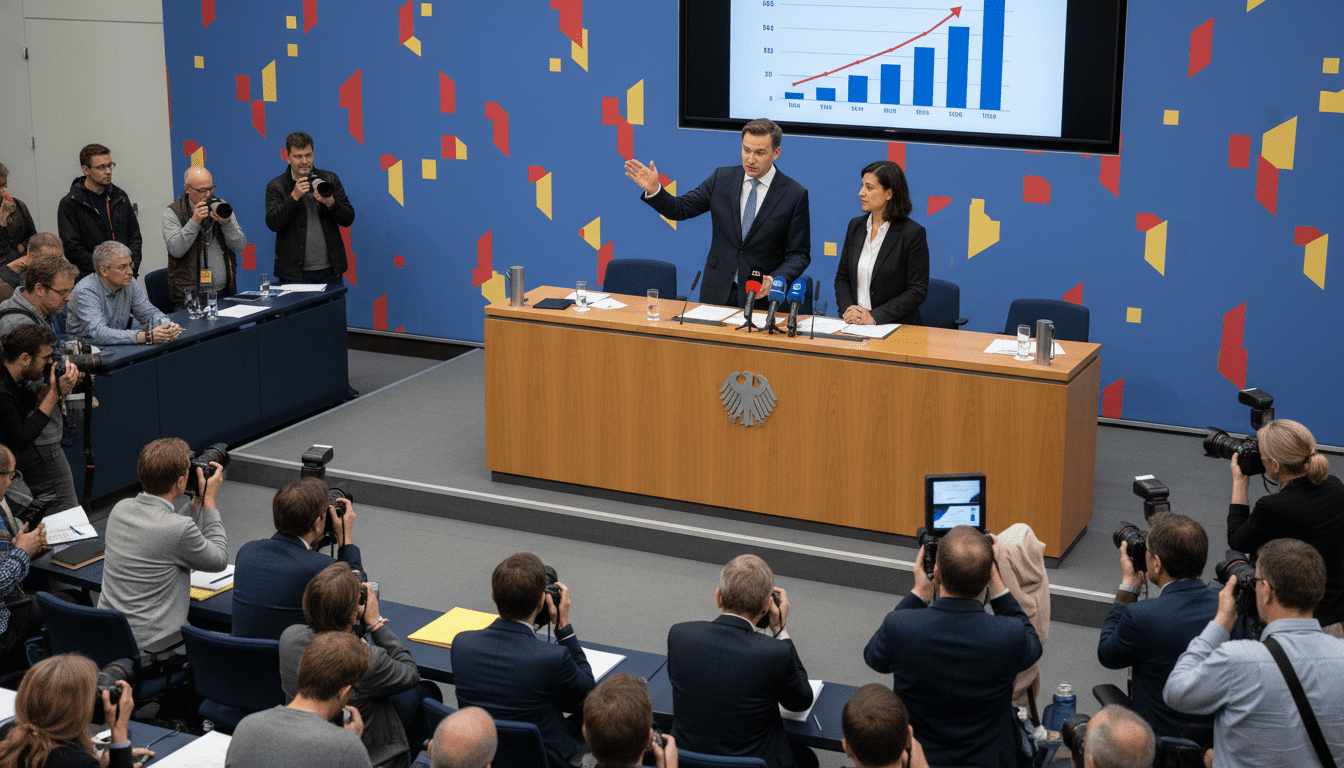
SPD pushes for a higher tax on top incomes as Union signals openness
SPD pushes for a higher tax on top incomes to raise revenue and rebalance burdens between wage earners and high earners, a move now drawing tentative support from the Union and alarm from family-owned firms.
The SPD’s call for a higher tax on top incomes crystallized in public remarks by party leader Lars Klingbeil on May 21, 2026, renewing debate over who should shoulder Germany’s fiscal needs. The proposal aims to raise taxes on the highest-earning households as part of a broader political push to shift more of the burden onto those with the greatest ability to pay. The issue immediately prompted cross-party negotiations and sharp reactions from business groups concerned about unintended consequences.
SPD outlines scope of proposal
The SPD is framing its initiative as a targeted levy on top incomes rather than a broad-based tax increase, seeking to capture more revenue from the highest earners without raising rates for middle-income households. Party officials argue the measure would correct perceived imbalances in the tax burden and provide funds for public services and social programs.
Details on proposed thresholds and rate changes remain to be published, and SPD lawmakers have indicated that technical design will be central to achieving both revenue goals and political acceptability. The party emphasizes safeguards to limit distortions and to avoid penalizing small, family-run enterprises that report income through personal tax returns.
Union signals conditional openness
Representatives of the Union parties have publicly signaled an openness to negotiate elements of the SPD proposal, marking an important shift in the parliamentary dynamics. Officials described a willingness to discuss targeted measures that increase progressivity while seeking assurances on growth and competitiveness.
That conditional willingness appears driven by political calculation as much as fiscal considerations: Union leaders want substantive input on thresholds, exemptions and anti-avoidance rules. The prospect of bargaining across the aisle means the final design could be narrower and more technical than the SPD’s initial public framing.
Family-owned businesses raise red flags
Family-owned companies and business associations reacted swiftly, warning that a higher tax on top incomes may hit them disproportionately because many of these firms are taxed under the personal income tax system. Those groups argue that taxing individuals rather than corporations can penalize owners who reinvest profits or who have structured their firms as partnerships or sole proprietorships.
Industry representatives said increased rates on personal income could reduce incentives to invest, complicate succession planning and prompt structural changes as owners seek to protect family assets. They also called for clear carve-outs or transitional rules to avoid sudden liabilities that would erode equity or force asset sales.
Technical questions and fiscal estimates remain unsettled
Experts and lawmakers say the central debates will focus on the threshold for “top incomes,” the incremental rates, and the mechanisms to curb avoidance. Economists stress that the revenue yield depends heavily on those choices and on behavioral responses such as tax planning, income shifting and alterations in legal form.
Fiscal offices and independent analysts are expected to produce revenue estimates once a concrete proposal is tabled, but provisional assessments indicate outcomes could vary widely. Policymakers on both sides acknowledge that precise modelling will be essential to calibrate the policy so it raises meaningful funds without triggering unintended economic effects.
Political timetable and likely negotiations
With the SPD’s public push now in the spotlight, the issue is set to move into party working groups and parliamentary committees in the coming weeks. Lawmakers will weigh amendments, propose technical fixes and seek consensus on anti-avoidance provisions. The Union’s conditional openness makes cross-party compromise plausible, but the shape of any agreement will depend on how negotiators resolve the concerns of business stakeholders.
Observers expect senior party leaders to play a decisive role as the debate shifts from public statements to drafting and scoring. Public opinion and industry lobbying are likely to influence legislative language, while legal advisers will test proposals for compatibility with existing tax law and European frameworks.
The SPD’s campaign slogan that “broader shoulders already carry more” has framed the political narrative, but translating that into law will require navigating complex tax architecture, economic trade-offs and entrenched interests.
As talks progress, lawmakers face the twin tasks of designing a fiscally effective instrument and protecting businesses that report profits through personal taxation. The outcome will shape not only near-term revenue but also longer-term discussions about tax fairness and economic policy.
