
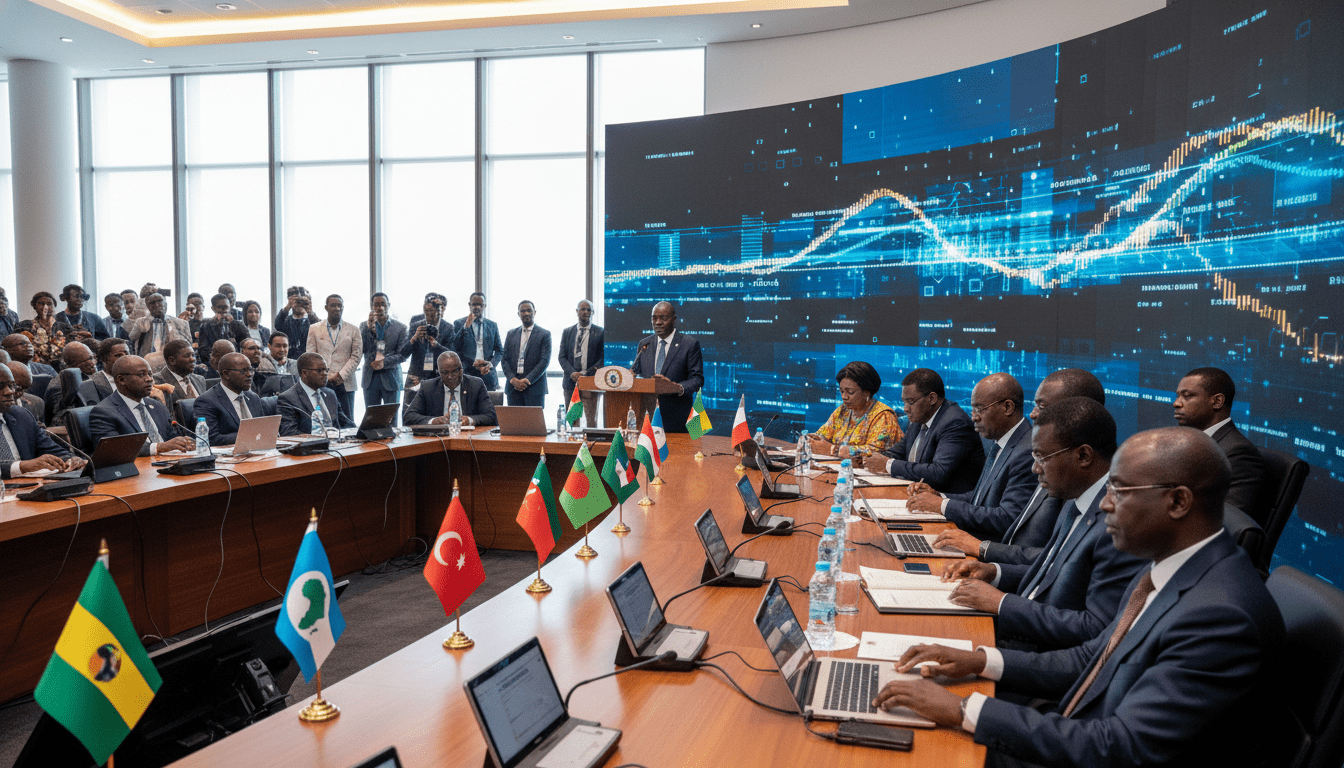
Africa Day 2026: Liberation Debate Shifts to Economic and Digital Sovereignty
Africa Day 2026 sparks debate over liberation as leaders and young Africans weigh political independence against economic control, debt and digital sovereignty.
Sixty-three years after the Organisation of African Unity was founded in Addis Ababa, Africa Day 2026 opened conversations about what true liberation means for the continent today. The anniversary has moved beyond ceremonial flags and anthems to focus on who controls wealth, technology and decision-making that shape daily life across nations. Citizens and analysts say political independence was foundational but insufficient without economic and digital autonomy.
Founding anniversary prompts a modern reckoning
For many older Africans, the May commemorations remain a potent reminder of the struggle to end colonial rule and secure self-government. Veterans and civil servants recall the era as a moment when sovereignty became a tangible objective that redefined national identities. Yet those memories now coexist with scrutiny about whether the promises of independence have been translated into broad prosperity.
Younger generations reframe liberation around livelihoods
A large share of the continent’s population is under 25, and many young Africans describe Africa Day 2026 as less celebratory than reflective. They argue liberation today must be measured by jobs, living standards and the ability to build without external interference. Young professionals and entrepreneurs increasingly demand that governments address corruption, governance failures and policy choices that directly affect economic opportunity.
Debt burdens limit policy space and national autonomy
Economic experts warn that rising public and external debt have curtailed fiscal freedom for several African governments. When budget choices are influenced by creditor conditions, the scope for independent development strategies narrows. Observers say this dynamic has reshaped the debate over sovereignty: political borders exist, yet important economic levers are often negotiated with foreign lenders and investors.
Global partnerships complicate claims of sovereignty
African states are navigating relationships with Western countries, China and new blocs that offer infrastructure, loans and market access. Those deals bring resources but also competing expectations that can shift influence away from domestic institutions. Analysts caution that balancing these partnerships requires tighter oversight and clearer terms to prevent dependency from becoming a structural constraint.
Digital infrastructure becomes a new arena of influence
Technology is widely viewed as a pathway to growth, yet control of digital systems is emerging as a central concern on Africa Day 2026. Mobile money, cloud services and artificial intelligence enable innovation but also create points of external dependency when servers, undersea cables and platforms are owned or operated abroad. Advocates for digital sovereignty call for investment in local data centres, regulatory frameworks and homegrown platforms to retain more value on the continent.
Calls for industrial policy and value retention grow louder
Policymakers and scholars argue that converting natural resources, labour and entrepreneurial talent into local industries is key to completing the liberation project. Producing, processing and consuming within regional value chains would reduce outflows and increase resilience to global shocks. However, translating plans into factories, supply chains and skills pipelines will require policy consistency, financing and private-sector confidence.
Historically rooted pride in independence remains a powerful force across African societies, but Africa Day 2026 reveals an evolving public conversation about what sovereignty should deliver. The shift from symbolic celebration to a focus on economic and technological control reflects both generational priorities and the complex realities of globalization. Many observers say the continent’s next phase of emancipation depends on measurable changes in livelihoods, governance and the capacity to govern its own digital and economic destiny.
