
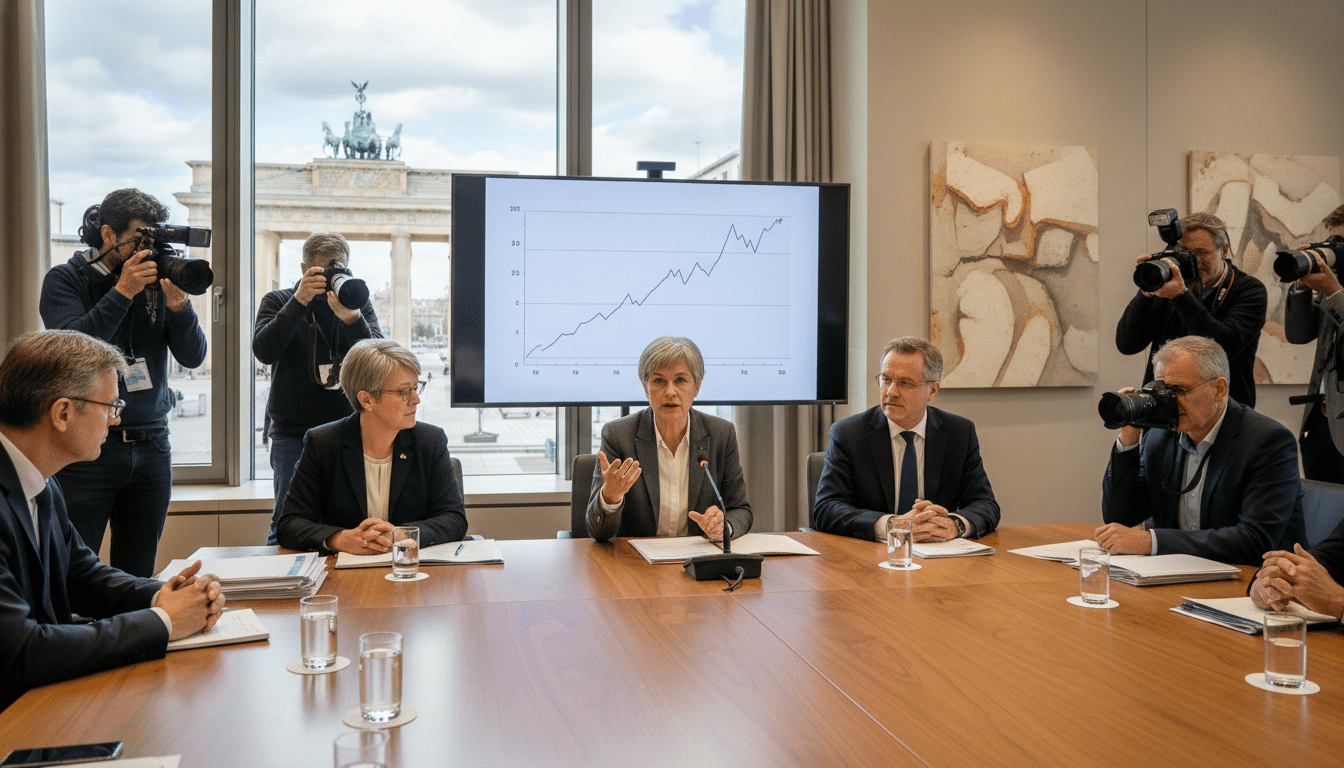
German pension level debate intensifies as commission finalizes reform report
Germany’s pension level debate escalates as an eight-member commission prepares reform proposals due June 30, 2026, raising concerns for retirees and workers.
The eight-member pension commission is finalizing a report on the future of Germany’s statutory retirement system ahead of a June 30, 2026 submission to the Federal Ministry of Labour. The discussion of the pension level — the share of average earnings replaced by the standard public pension — has dominated coverage and political debate even though the commission’s findings are not yet public. Media reports and early leaks have heightened expectations and sharpened partisan lines in Berlin. The core challenge remains balancing fiscal stability with adequate income for current and future pensioners.
Commission Prepares Final Report for June 30, 2026 Submission
The expert panel, composed equally of specialists tied to the Social Democratic Party and the Union, is working under confidentiality as it polishes recommendations. Officials say the commission’s remit is advisory: it can propose measures, design transition periods and suggest how to allocate burdens, but it cannot itself legislate. The end-of-June deadline means ministers will receive concrete options soon, intensifying pressure on policymakers to respond quickly. Observers expect the ministry to present political proposals after assessing the commission’s scenarios.
Political Reaction and Rising Expectations in Berlin
Political actors in Berlin have already begun staking positions, drawing red lines and signalling preferred approaches ahead of the report’s release. Some parties and unions warn against measures that could erode living standards for retirees, while others emphasise the need to shore up the pension system’s finances. The early public debate reflects impatience in the capital: lawmakers want clarity to shape budgetary planning and coalition negotiations. That anticipatory politicking raises the risk of headline-driven responses rather than deliberative reform.
What Lowering the Pension Level Would Mean Practically
Lowering the pension level does not equate to an immediate cut in existing pensions; rather, it would reduce the replacement rate for future retirees, so that the statutory standard pension covers a smaller share of average earnings. In practice, this changes the income formula for new retirees and shifts the balance between public provision and private or occupational retirement savings. The effect is gradual and depends on how quickly any new benchmark is phased in, but over time it can materially affect retirement income for wide cohorts. Experts stress that the choice is fundamentally about distribution: who bears more of the adjustment — current workers, employers, taxpayers or future pensioners.
Demographic Pressures Driving the Reform Debate
Demography is a central driver of the commission’s work: Germany faces an ageing population and a shrinking ratio of contributors to beneficiaries in the statutory system. Those structural trends increase long-term costs for pay-as-you-go pensions and limit the fiscal room for maintaining current replacement rates without higher contributions or alternative financing. The commission cannot alter demographic realities, but it can propose mechanisms to spread costs, adjust contribution levels, or change entitlement rules. Any chosen mix will reflect trade-offs between intergenerational equity and fiscal sustainability.
Transition Options and Distributional Choices Under Discussion
Members of the commission are reported to be debating smoothing mechanisms such as phased-in changes, income thresholds, and measures to protect low-income pensioners from sharp losses. Transitional arrangements can mitigate immediate hardship but may prolong fiscal adjustment and complicate implementation. Proposals under consideration are likely to include combinations of contribution adjustments, benefit formula changes and targeted relief for vulnerable groups. The central political question is how to share the burden across workers, employers and the state without creating unintended incentives or gaps in protection.
Uncertainty and Next Steps for Lawmakers
Once the commission hands over its report by June 30, 2026, ministers will face a rapid timetable to translate technical options into legislative proposals and budget plans. The political debate that follows will determine which recommendations are pursued, reshaped or discarded, and whether compensatory measures are introduced to shield the most affected. For citizens and stakeholders, clarity will only arrive once concrete legislative drafts are tabled and debated in parliament. Until then, media speculation and political signalling are likely to continue driving public concern.
The commission’s work highlights a difficult reality for Germany’s pension system: maintaining current benefit levels in the face of demographic change requires clear choices about financing and distribution, and those choices will carry real implications for future retirees, workers and public finances.
