
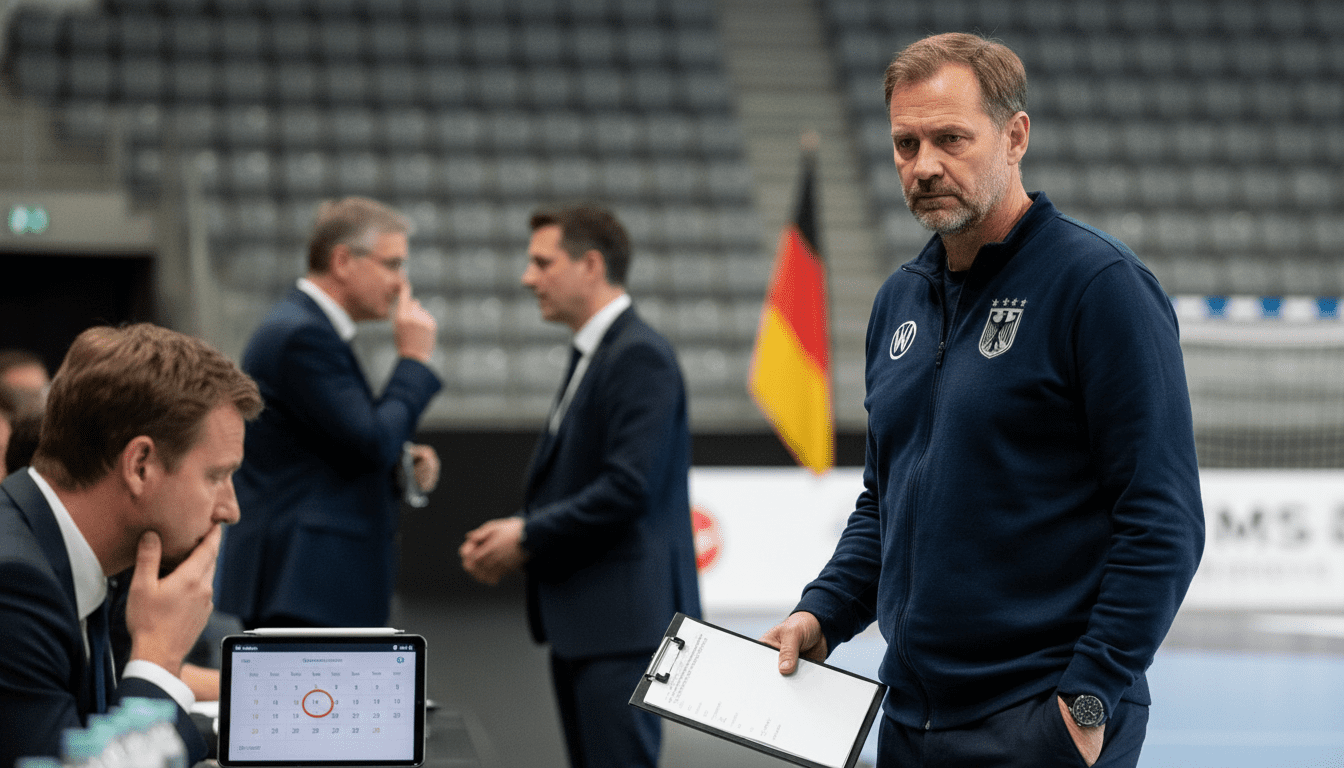
DHB under pressure to name German national handball coach as Gislason waits on decision
DHB must decide whether to retain Alfred Gislason or appoint a successor as German national handball coach, with Sport Director Ingo Meckes leading the process and candidates weighing options.
Alfred Gislason has signalled his willingness to continue but repeatedly deferred the question of his future to the German Handball Federation leadership, leaving the role of German national handball coach unresolved. The DHB presidency and the sports board led by Ingo Meckes will make the final call, with a contract decision expected after the current season. The delay has created friction inside the federation and uncertainty around preparations for the next major tournaments. Pressure is rising for a clear timeline and public communication as domestic interest in the national team remains high.
Gislason defers publicly; decision rests with DHB bodies
Gislason, who has publicly expressed his affection for the team, refused in recent interviews to answer reporters and redirected questions to federation officials. His contract runs through the home World Cup in January, and he has repeatedly stressed that he will abide by whatever decision the DHB makes. Those close to the coach describe him as professional and steady, unwilling to politicize the process. Still, his reluctance to press for an immediate answer has left players and fans seeking clarity.
Ingo Meckes positioned to shape the next coach appointment
Ingo Meckes, the DHB sports director, has overseen structural reforms since taking the role, including talent pathways and the establishment of regional academies. Appointing the Bundestrainer from February 2027 will be Meckes’s first major, high-profile personnel decision and a test of his strategic judgment. The selection will reflect his priorities for playing style, communication and long-term development of the national setup. Meckes has emphasised patience while the season concludes, but critics argue that measured deliberation should not become indefinite delay.
Continuity argument: Gislason’s record and tournament pedigree
Supporters of retaining Gislason point to his steady leadership and recent podium finishes at major events as evidence of effective stewardship. Under his guidance the team reached silver positions at both the Olympics and the European Championship, demonstrating resilience in high-pressure environments. Gislason’s experience and rapport with senior players are cited as assets that would smooth the transition into upcoming home tournaments. For many inside the DHB, the familiarity and tactical conservatism he brings weigh heavily in favour of continuity.
Calls for renewal and the Bennet Wiegert factor
Opponents of an automatic extension argue that the team could benefit from a younger coach offering tactical variety and a different communication style. Bennet Wiegert is frequently named as an attractive long-term candidate, but his commitment to SC Magdeburg makes him unavailable for a move in the near term. Decision-makers must balance the desire for fresh ideas against the reality that top domestic coaches may be tied to club obligations for two to three seasons. That constraint narrows immediate options and complicates any attempt at rapid renewal.
Florian Kehrmann has signalled willingness to return to the national setup
Florian Kehrmann, currently at TBV Lemgo, has publicly indicated he would consider leaving his club role to join the DHB if asked, and his contract runs until 30 June 2027. Kehrmann’s work in cultivating young talent at club level and his prior experience with national structures make him a credible alternative to both Gislason and waiting candidates. His candidacy would represent a middle path: someone familiar with German handball culture but closer in age to a new generation of players. The federation will weigh his availability alongside tactical fit and long-term planning.
Criticism mounts as the selection process stretches into the off-season
Recent friendly losses, including matches against Denmark, have intensified scrutiny of the federation’s handling of the coaching question and fuelled calls for transparency. Critics say the DHB’s repeated assurances that the process is “ongoing” have produced only mounting ambiguity and harmed public perception. Players, some of whom have publicly expressed frustration, now face preparation for a home World Cup in Cologne without clarity about leadership beyond January. Observers argue a prompt, decisive announcement would serve the team’s performance interests and respect the coach’s service.
The DHB now faces a narrow window to conclude its deliberations and present a plan that balances experience, renewal and tactical vision for the German national handball coach role. A timely decision would allow the squad to align around a clear strategy ahead of major fixtures and give supporters the certainty they expect. Whatever choice the federation makes, the selection will define both the immediate competitive prospects and the longer-term direction of German men’s handball.
