
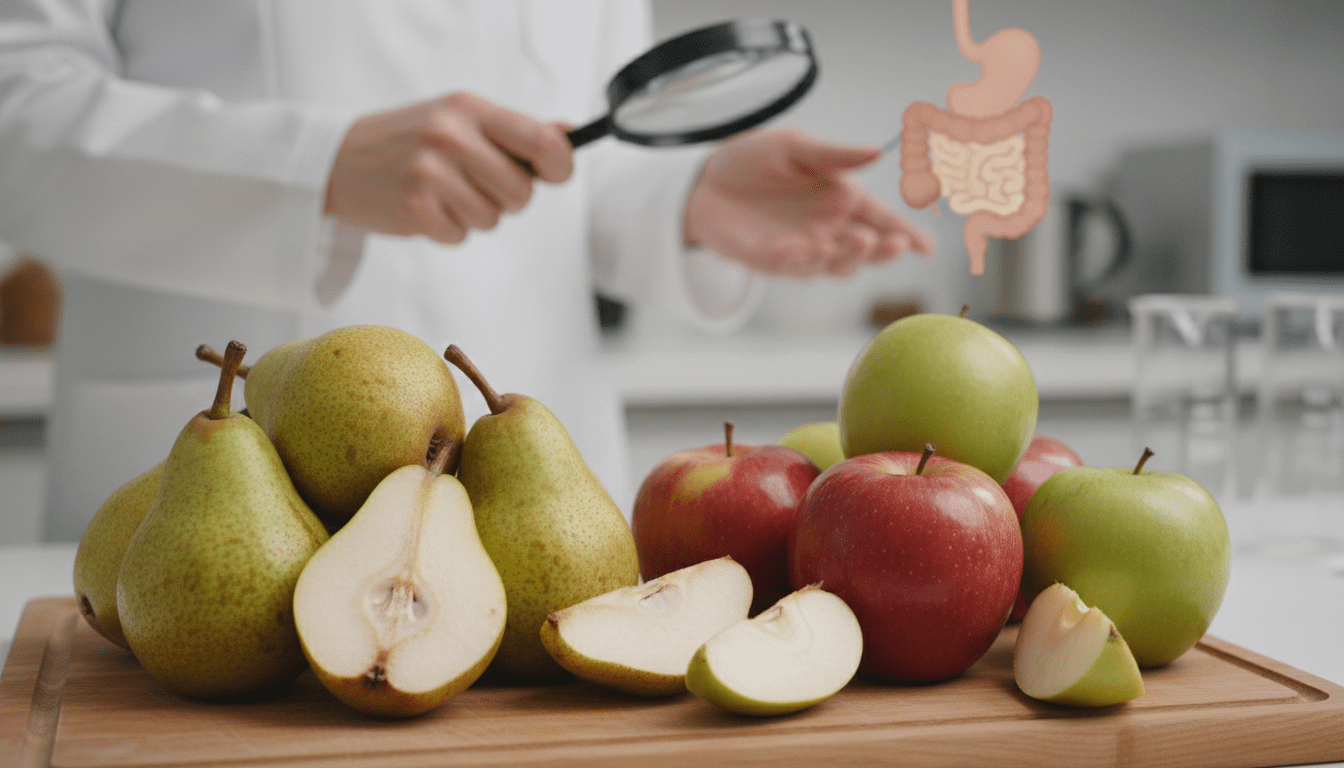
Pears vs. Apples: Pears Contain More Fiber Than Apples
New analysis finds pears provide more dietary fiber than apples—4.45g vs 2.38g per medium fruit—detailing health benefits and practical ways to add both to your diet.
Pears outpace apples in fiber, with a medium 140-gram pear delivering roughly 4.45 grams of fiber compared with about 2.38 grams in a same-sized apple, making pears the clear winner in a pears vs. apples fiber comparison. This difference matters for people aiming to boost daily fiber intake, because dietary fiber supports digestion, helps regulate cholesterol and can aid weight management. Nutrition experts recommend fruits as an accessible source of both soluble and insoluble fiber, and the numbers show pears provide a measurable advantage.
Pears Outperform Apples on Fiber Content
A standard medium pear contains nearly twice the fiber of a similarly sized apple, largely because pears are richer in both soluble and insoluble fibers. Quantitatively, pears supply around 23% more total dietary fiber and roughly 46% more insoluble fiber than apples, according to nutrient analyses. Insoluble fiber contributes bulk and helps speed food through the digestive tract, while soluble fiber forms a gel in the gut that can lower blood cholesterol.
Both types of fiber play complementary roles, and the higher insoluble-fiber content in pears explains why they are often recommended for improving regularity. For people focused specifically on fiber grams per serving, choosing a pear over an apple is an efficient way to increase intake without adding many calories.
How Much Fiber Is in a Serving
Portion sizes make the difference between a light snack and a meaningful fiber boost, and a 140-gram medium pear yields about 4.45 grams of fiber. By contrast, a medium apple at the same weight provides approximately 2.38 grams. For reference, most dietary guidelines recommend 25 to 30 grams of fiber per day for adults, so a single pear can supply a significant portion of the daily target.
Pairing fruit servings across a day — for example, a pear at breakfast and an apple as an afternoon snack — helps approach recommended intake without major dietary changes. People tracking fiber for medical reasons, such as those managing cholesterol or constipation, should note these serving differences when planning meals.
Why Fiber from Pears Matters for Health
Dietary fiber supports gut health by feeding beneficial bacteria and by promoting regular, comfortable bowel movements, which can reduce the risk of constipation. Soluble fiber also binds to cholesterol in the digestive tract, assisting the body in lowering LDL cholesterol levels. Because pears are high in both soluble and insoluble forms, they offer a dual benefit for digestion and cardiovascular risk factors.
Observational research links higher fruit and fiber consumption with lower markers of inflammation and reduced risks for heart disease. While no single food is a cure-all, replacing lower-fiber snacks with pears can be a simple, evidence-aligned tactic to improve dietary patterns that influence long-term health outcomes.
Nutrient Differences Beyond Fiber
Although pears lead on fiber, apples remain a valuable source of other nutrients. Apples contribute vitamin C and potassium, along with a range of polyphenol antioxidants such as chlorogenic and gallic acid. These compounds are associated with reduced oxidative stress and may help lower inflammation and certain disease risks when consumed as part of a balanced diet.
Pears also offer vitamins and minerals beyond fiber, including vitamin K and copper, which supports energy production and red blood cell formation. They are particularly rich in flavonoid antioxidants that may complement the cardiovascular benefits provided by their high fiber content.
Consumer Choices and Culinary Uses
Texture and taste often determine which fruit people reach for, and apples are typically crisp and tangy while pears have a softer, grainier texture with a more mellow sweetness. Both fruits can be eaten raw, baked, poached or added to salads, and culinary preparation affects palatability but not the core fiber content. Keeping the skin on is an easy way to retain most of the fiber in both fruits.
For shoppers and meal planners, the choice may come down to convenience and preference. Those focused on fiber can prioritize pears, while still including apples for variety and complementary nutrients.
Practical Ways to Add Pears and Apples to Meals
A simple approach is to include a piece of fruit at two eating occasions each day: make a pear part of breakfast or a pre-work snack, and use an apple as a dessert or lunch addition. Chopping apple or pear into yogurt, oats, or salads preserves fiber and adds natural sweetness without added sugars. When cooking, leave the peel intact where recipes allow to maximize fiber retention.
For people with digestive sensitivities, gradually increasing fruit and fiber intake while ensuring adequate fluids can help minimize discomfort. Dietitians often recommend balancing high-fiber fruits with other fiber sources like whole grains, legumes, nuts and vegetables for a well-rounded intake.
Overall, pears offer a straightforward way to increase daily fiber, but apples remain a nutritious option that complements broader dietary goals.
Choosing a pear for its higher fiber content is an effective, low-cost step toward meeting daily fiber targets, and incorporating both pears and apples into regular meal planning provides a broader mix of vitamins, minerals and antioxidants that support long-term health.
