
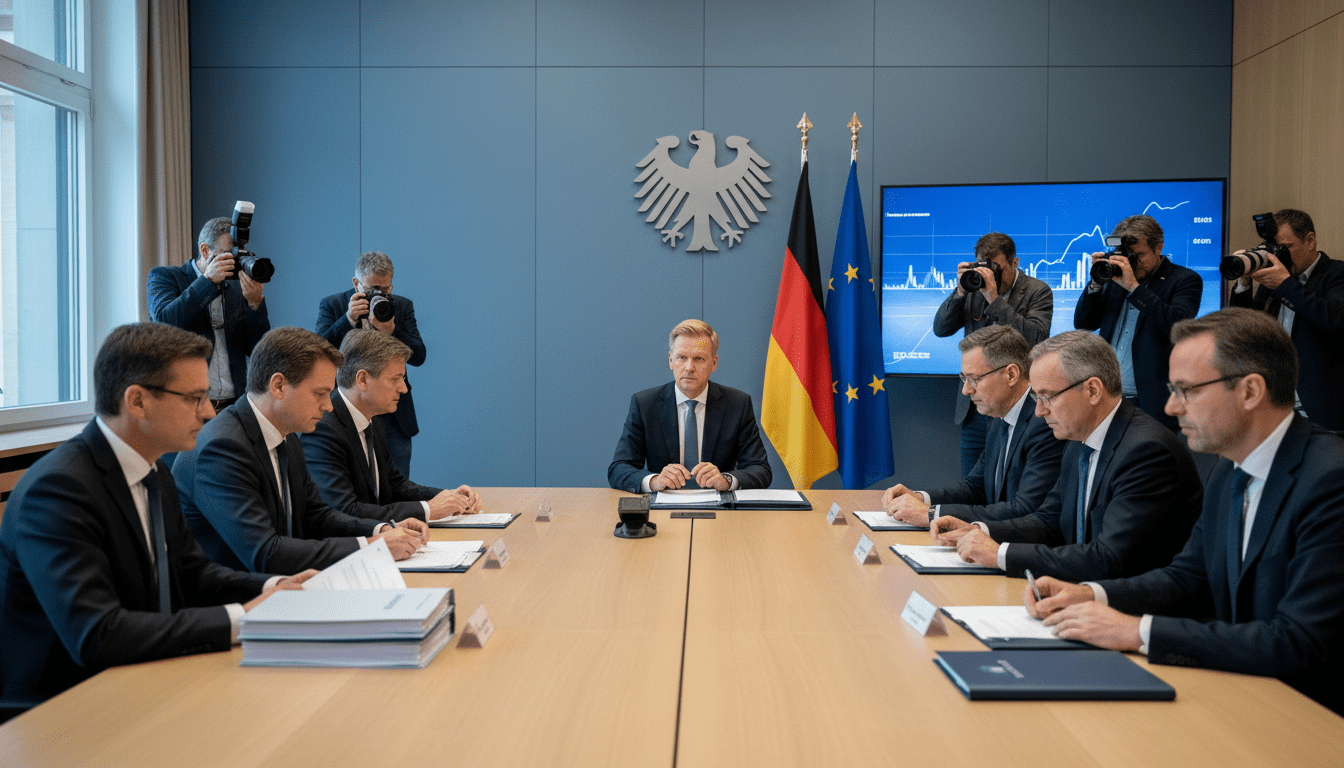
German government starts Uniper sale, cutting stake to 25% as energy debate intensifies
German government begins Uniper sale, reducing its stake from 99.1% to 25% plus one share as Berlin seeks to recoup bailout costs and reshape energy policy.
The German government on Tuesday formally launched the long-anticipated sale of its controlling stake in Uniper, moving to reduce its holding from 99.1 percent to 25 percent plus one share in a bid to return the energy group to private ownership. The Uniper sale marks a major step in implementing the state’s exit strategy after rescuing the company in a multi-billion-euro bailout three and a half years ago. Officials framed the transaction as a return to market financing while emphasizing continued oversight of Uniper’s role in national energy security.
Details of the Uniper sale announcement
The federal treasury reported that the state will seek buyers that can support Uniper’s operational role in gas and power markets while meeting regulatory and strategic requirements. The stake reduction is structured to leave the government with a blocking minority threshold, allowing Berlin to retain a degree of influence over key decisions even as private investors resume majority control.
Officials said arrangements would include safeguards to ensure continuity of supply and compliance with climate targets, reflecting concerns about energy reliability and the political sensitivities that accompanied the 2023 rescue. The sale process will proceed under market terms and is expected to involve institutional investors and strategic partners capable of navigating the sector’s transition.
Fiscal and political implications for Berlin
The Uniper sale has immediate fiscal implications for the federal budget by offering a path to recoup at least part of the rescue costs that were borne by taxpayers. Lawmakers from different parties welcomed the move as a necessary normalization of the state’s role in commercial energy markets, while some critics argued that the timing and terms will need parliamentary scrutiny.
Politically, the transaction arrives amid heightened debate over energy independence, affordability and Germany’s climate commitments. The government faces pressure to demonstrate that divestment will not compromise supply resilience, particularly ahead of potential market shocks or geopolitical disruptions.
Uniper’s strategic outlook and energy-security considerations
Industry analysts say Uniper’s value to potential buyers will hinge on its gas contracts, power assets and ability to participate in the clean-energy transition. Any purchaser will need plans to manage legacy gas exposures while investing in renewables and flexibility resources, a balance that could determine investor appetite and valuation in the Uniper sale process.
Energy-security guarantees are likely to be part of sale negotiations, given Uniper’s role in managing fuel procurement and storage. The federal government indicated it would seek buyer commitments on investment and supply continuity to avoid repeating the disruptions that precipitated the earlier bailout.
Broader international context: Ukraine conflict and drone warfare
The Uniper sale comes while Europe remains closely attuned to security developments stemming from the Russian war in Ukraine and its energy fallout. Military analysts note an intensified use of drones on both sides, with Ukrainian forces deploying reconnaissance and kamikaze drones and Russian forces responding in kind, a dynamic that has heightened regional tensions and energy market volatility.
Diplomatic maneuvers have also featured prominently, including a controversial suggestion by President Vladimir Putin that former German chancellor Gerhard Schröder could serve as a mediator — a proposal that European leaders rejected. Observers say such diplomatic deadlock underlines the uncertain geopolitical backdrop in which energy transactions like the Uniper sale are unfolding.
Other headline events shaping the news agenda
In the United States, authorities described an attack on an Islamic center in San Diego that killed three people as a hate crime, after two teenage gunmen opened fire; the assailants were also reported to have died in the incident. The shooting prompted calls for renewed attention to domestic extremism and protection of religious communities.
Meanwhile, a U.S. court dismissed Elon Musk’s lawsuit against Sam Altman and OpenAI on statute-of-limitations grounds, ending a high-profile legal confrontation over claims tied to the early days of the AI company. In Jerusalem, hundreds of Jewish, Christian and Muslim participants staged an interfaith march denouncing hatred, though organizers noted limited Palestinian turnout due to safety concerns.
Domestic politics: AfD discipline and Munich mayor dispute
At home, Germany’s Bundestag faction of the right-wing AfD disciplined one of its members for internal criticism, continuing a pattern of factional tensions that has marked the party since its founding. Political commentators say the move reflects ongoing struggles within the party between hardline activists and pragmatic figures seeking parliamentary credibility.
Local politics in Munich also drew attention as the city’s newly elected Green mayor faced a swift dispute with the Bavarian state government over childcare fees, underlining how municipal policy choices can clash with regional priorities. The disagreement over Kita charges has emerged as an early test of the mayor’s agenda in Europe’s largest Green-led city administration.
The Uniper sale represents a pivotal moment in Germany’s effort to normalize state involvement in strategic industries while balancing fiscal responsibility, energy security and climate goals. As the process moves forward, market participants and policymakers will be watching closely for the identities of buyers, the safeguards attached to the deal and the broader implications for Europe’s energy transition.
