
Polish bishops’ pastoral letter on antisemitism sparks nationwide church and political backlash
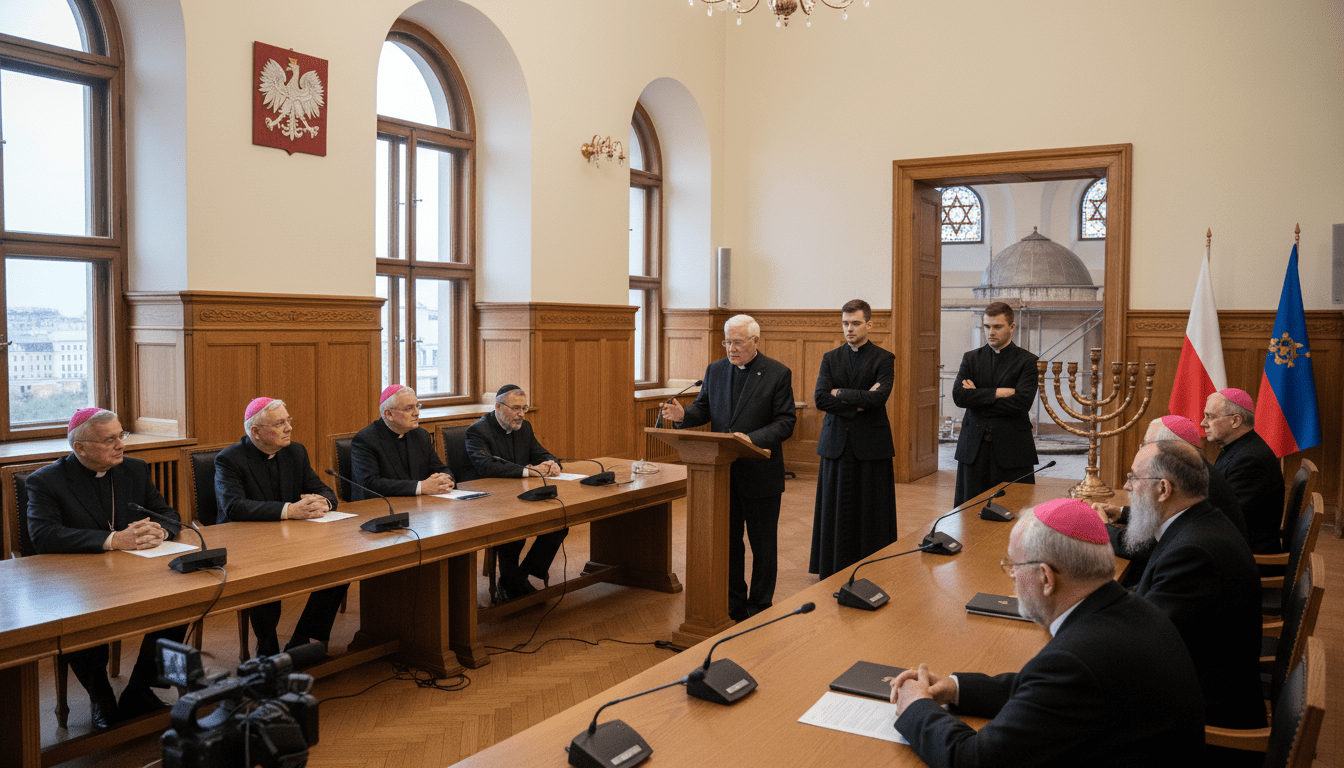
Polish bishops’ pastoral letter urging rejection of antisemitism and calls for synagogue visits has provoked sharp divisions among clergy and conservative politicians. The letter, issued by the Polish Bishops’ Conference to mark the 40th anniversary of Pope John Paul II’s 1986 visit to Rome’s Great Synagogue, explicitly rejected antisemitism and invited Catholics to meet Jewish communities. The move has led to public refusals by some priests to read the text and heated attacks from right-wing media and politicians.
Bishops’ Letter Condemns Antisemitism, Calls for Synagogue Visits
The pastoral letter reiterates the Catholic Church’s long-standing position that antisemitism is incompatible with Christian faith and encourages parishioners to engage with Jewish neighbors. Authors of the letter referenced Pope John Paul II’s historic synagogue visit, framing the appeal within six decades of post‑Conciliar teaching on Jewish–Christian relations. The bishops described synagogue visits as opportunities to build understanding and to confront prejudice within Catholic communities.
Mixed Response Across Polish Dioceses
Several major dioceses complied with the bishops’ request and organised events tied to the appeal, including liturgical readings and interfaith meetings. In Warsaw, clergy attended services in the Nożyk Synagogue and local bishops warned against religiously justified hostility between Christians and Jews. At the same time, reports from Kraków, Lublin and other regions show a patchwork response in which some priests declined to read the letter, citing conscience or disagreement.
High‑Profile Clergy Criticize the Initiative
The pastoral letter drew strong denunciations from prominent conservative clerics who characterised the appeal as a betrayal of Catholic teaching. One well‑known theologian and priest published claims that the bishops had humiliated the faithful and undermined core doctrines, alleging widespread clerical opposition without offering verifiable evidence. Those statements have heightened tensions inside the church and prompted public rebuttals from diocesan leaders stressing that the letter sets out continuity rather than doctrinal change.
Political Right Seizes on the Controversy
Right‑wing politicians and commentators rapidly mobilised against the bishops’ statement, framing it as evidence of cultural or religious capitulation. Members of the nationalist right accused the bishops of promoting a “judaisation” of Catholic practice and used the controversy to press broader political narratives about national identity and the church’s role. Conservative weeklies and opinion writers labelled the appeal an act of apostasy or historical betrayal, amplifying divisions into the secular political arena.
Historical Precedents: Vatican II and John Paul II’s 1986 Synagogue Visit
The bishops’ letter situates itself within the trajectory of official Catholic teaching that began with the Second Vatican Council’s 1965 declaration rejecting collective Jewish guilt and condemning discrimination. Two decades after the council, Pope John Paul II’s April 1986 visit to the Great Synagogue of Rome marked a watershed moment that many church leaders cite as foundational for modern Catholic–Jewish dialogue. The pastoral note reiterates those milestones to underline continuity with established doctrine rather than to introduce a new theological line.
Voices Calling for Education and Reconciliation
Commentators who study Polish history and intercommunal relations pointed to long‑standing patterns of antisemitism that have sometimes been tolerated or inadequately addressed. Civic organisations that monitor antisemitism compared the present uproar to earlier controversies, including the sharp public reactions to episcopal appeals in previous decades. The lead architect of the pastoral letter, Cardinal Grzegorz Ryś, has urged targeted religious instruction and dialogue to remedy misunderstandings and to deepen parishioners’ grasp of official church teaching.
Public organisations defending interfaith engagement argued that the dispute exposes gaps in historical awareness and pastoral formation, and they recommended structured educational programmes in seminaries and parishes. Those groups said clearer explanation of Vatican II documents and the significance of John Paul II’s actions could reduce misinterpretation and ease tensions between different currents within Polish Catholicism.
The episode has unfolded as a test of how the Polish Church will balance reverence for tradition with efforts to confront prejudice and foster reconciliation. While the bishops emphasised that the pastoral letter does not impose new obligations, the debate it ignited has highlighted unresolved sensitivities about identity, memory and the place of religious dialogue in public life. Observers say the coming weeks will be decisive for whether the controversy leads to a broader campaign of catechesis and local outreach or deepens existing fractures within Poland’s religious and political landscape.
