
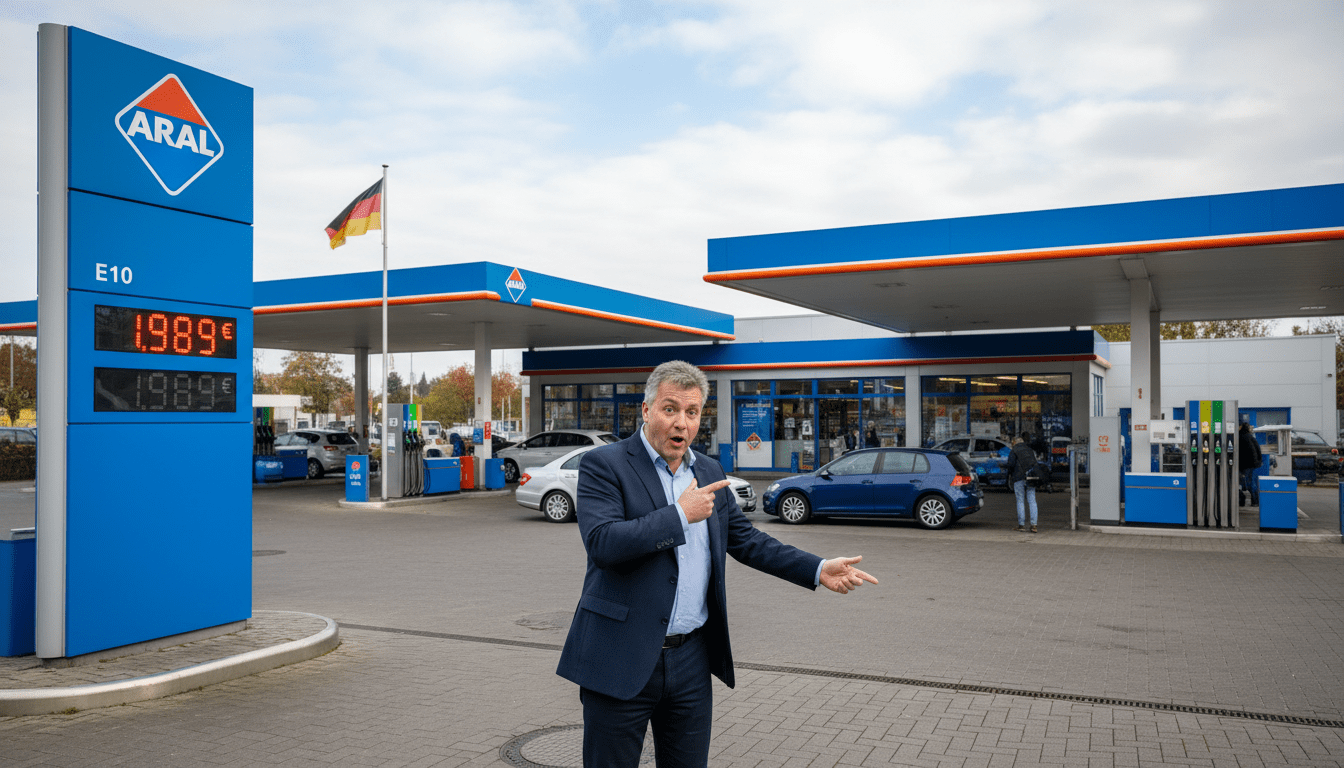
German fuel prices hit two-month low as E10 drops below €1.99 per liter
German fuel prices hit a two-month low: E10 averaged €1.984/L and diesel €2.025/L. ADAC and ifo report the €0.167 tank rebate has not been fully passed to motorists.
E10 falls to its lowest level since March 8
E10 averaged €1.984 per liter in the nationwide daily reading, marking the lowest retail level for that grade since March 8. The decline followed recent easing in global oil markets, according to ADAC price data. This drop put E10 briefly under the €2-per-liter threshold that dominated headlines in April and early May.
Diesel declines but remains comparatively expensive
Diesel fell by 3.1 cents to €2.025 per liter, the lowest diesel price since March 4. Despite the retail decrease, diesel remains pricier than it was before recent geopolitical shocks. Compared with the day before those events, diesel is still about 27.9 cents per liter higher.
Tank rebate not fully reflected at the pumps, say ADAC and ifo
The government’s tank rebate of €0.167 per liter, introduced on May 1, has not been entirely passed on to consumers, the ADAC and the Munich-based ifo Institute concluded. The ifo’s calculations show that, on average, about 15 cents of the rebate appeared in E10 prices and roughly 14 cents in diesel prices. That means drivers have seen an incomplete transfer of the subsidy into lower retail prices.
Price differences versus pre-rebate levels and recent peaks
Although current E10 and diesel prices are lower than in late April, the savings are smaller than the rebate amount. E10 is approximately 14.2 cents cheaper than on April 30, the final day before the rebate took effect, while diesel is about 19 cents cheaper. Those gaps underscore that other factors — including wholesale costs and distributor margins — continue to shape pump prices alongside the subsidy.
Oil market movements helped push prices down
A retreat in international oil prices in recent days was an important driver of the retail decline, industry analysts say. Lower crude costs typically feed through the supply chain with some lag, easing wholesale fuel costs before retailers adjust pump prices. Nonetheless, margins and logistical factors can blunt how quickly and fully those savings reach motorists.
Regional and time-of-day variation remains significant
Average national figures mask big local differences: several stations in Munich and Cologne offered E10 for under €1.90 per liter in the morning, while such offers were less common in Hamburg and only occasional in Berlin. Prices also tend to follow a daily rhythm, often dipping in the late morning and spiking around midday, patterns sharpened since the April 1 rule allowing only one price increase per day came into force.
Drivers shopping for the lowest pump price should check local stations for midday dips and compare outlets in nearby cities, as regional competition continues to produce notable disparities.
Current retail levels reflect a mix of policy, market and logistical influences that will determine how prices evolve in the coming weeks. Lower oil prices provide potential for further relief, but the full impact of the tank rebate and market dynamics remains incomplete at the pumps.
