
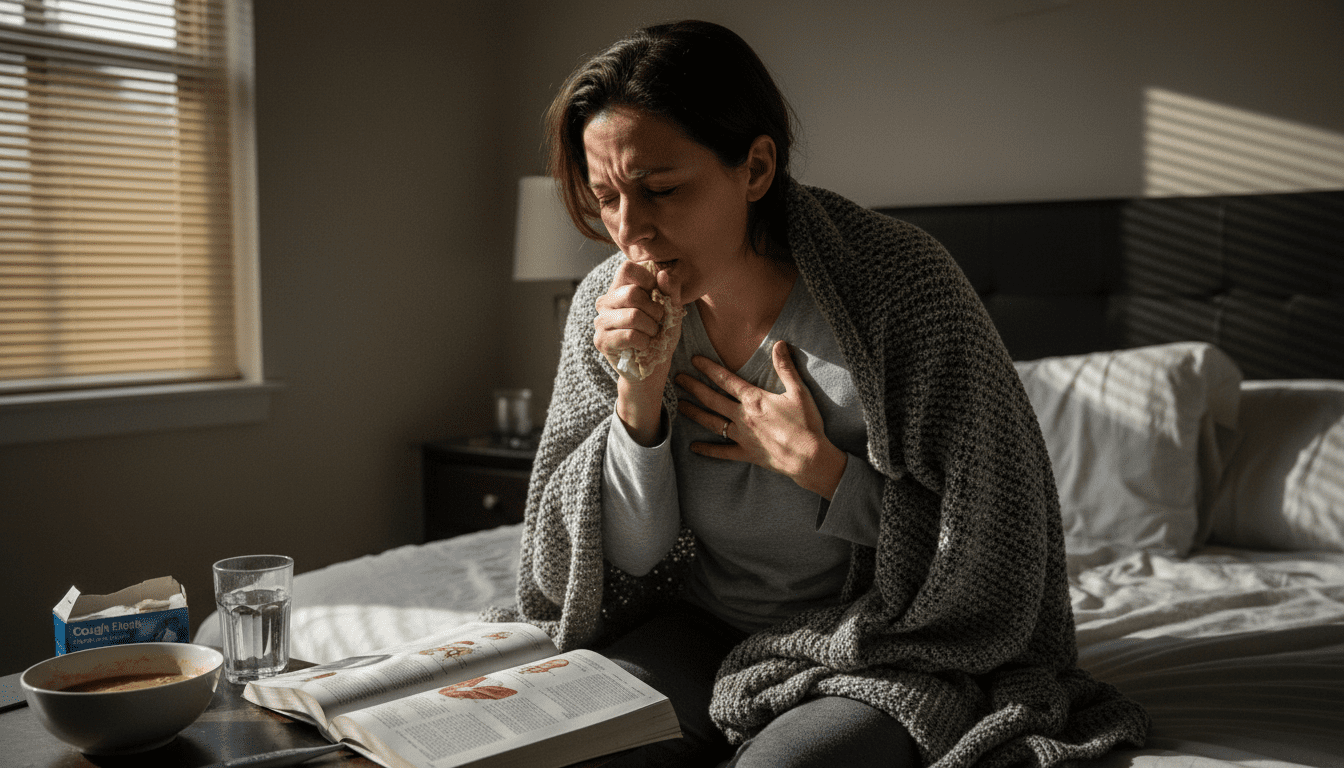
What a Pneumonia Cough Sounds Like and When to Seek Care
Learn how a pneumonia cough differs from other coughs, common signs, treatments, and when to seek medical or emergency care for persistent or severe symptoms.
A pneumonia cough can sound and feel distinctly different from an ordinary cold, and early recognition helps determine appropriate care. Health professionals say a pneumonia cough is often deeper, wetter and longer-lasting than a routine cough, and it may bring up discolored phlegm or cause chest pain. This report outlines typical characteristics, what happens in the lungs, treatment options and warning signs that require urgent medical attention. The aim is to give readers clear, practical information on identifying a pneumonia cough and taking the right next steps.
How a pneumonia cough differs from a common cold
A cough caused by pneumonia typically begins more severely than a simple viral cough and may escalate over several days. Unlike the light, dry cough of many colds, a pneumonia cough usually becomes productive, bringing up yellow, green or sometimes blood-tinged mucus. Clinicians note that the tone is often lower and louder, and coughing spells may end with a harsher sound or chest discomfort. These differences do not replace clinical diagnosis, but they are useful cues for deciding when to consult a clinician.
Common sounds, sputum and expected duration
Patients with pneumonia frequently report crackling or “rales” when breathing, and some hear wheezing or a high-pitched whistle during inhalation or exhalation. The cough itself is often described as deep and forceful rather than the repetitive, light hacking of bronchitis or an allergy-related cough. Even after treatment begins, the cough can persist for two weeks or longer while lungs recover and excess mucus clears. Persistent coughing beyond that period should prompt a follow-up evaluation to rule out complications or incomplete resolution.
What happens in the lungs during pneumonia
Pneumonia results when bacteria, viruses or fungi infect lung tissue and trigger an inflammatory response that fills alveoli with fluid and pus. That fluid buildup reduces oxygen exchange and stimulates airway nerves, which in turn produce mucus and trigger coughing to clear the lungs. The inflammation and mucus make breathing feel labored and can cause pain with deep breaths or coughing fits. Understanding this physiologic process clarifies why a productive, sometimes painful cough is a hallmark symptom.
Treatment pathways: antibiotics, antivirals and supportive care
Treatment depends on the infecting organism: bacterial pneumonia is treated with antibiotics, viral pneumonia may respond to antiviral medications in specific cases, and fungal infections require targeted antifungal therapy. Most people with bacterial pneumonia begin to feel noticeably better within three days of starting the correct antibiotic, but clinicians emphasize completing the full prescribed course to prevent relapse. Supportive, at-home measures—such as staying hydrated, resting, using steam or humidified air and avoiding smoke—help thin secretions and reduce cough severity while the infection resolves.
When hospital care, oxygen or IV treatment are necessary
Severe symptoms — including difficulty breathing, rapidly falling oxygen levels, persistent high fever, confusion or inability to maintain hydration — often warrant hospital assessment. Inpatient treatment can include intravenous antibiotics or antivirals, intravenous fluids and supplemental oxygen to maintain safe blood oxygen levels. Patients with respiratory failure may require ventilatory support, and older adults or those with weakened immune systems are more likely to need intensive monitoring. Physicians use clinical signs, oxygen measurements and imaging to determine the appropriate level of care.
Complications to watch for after pneumonia begins
If left untreated or if the infection is severe, pneumonia can lead to complications such as pleural effusion, lung abscesses, sepsis and respiratory failure. Pleural effusion occurs when fluid accumulates between the lung and chest wall, causing chest pain and worsening shortness of breath. A lung abscess is a localized pocket of pus that can prolong recovery and sometimes requires drainage or prolonged antibiotics. Sepsis is a life-threatening systemic response to infection and needs immediate hospital care.
Recognizing the distinguishing features of a pneumonia cough—deep, productive coughing, discolored sputum, crackling or wheeze and chest pain—helps patients and clinicians identify when escalation of care is necessary. Timely treatment tailored to the cause, combined with supportive home care, usually leads to recovery, but severe or persistent symptoms should prompt urgent medical evaluation.
