
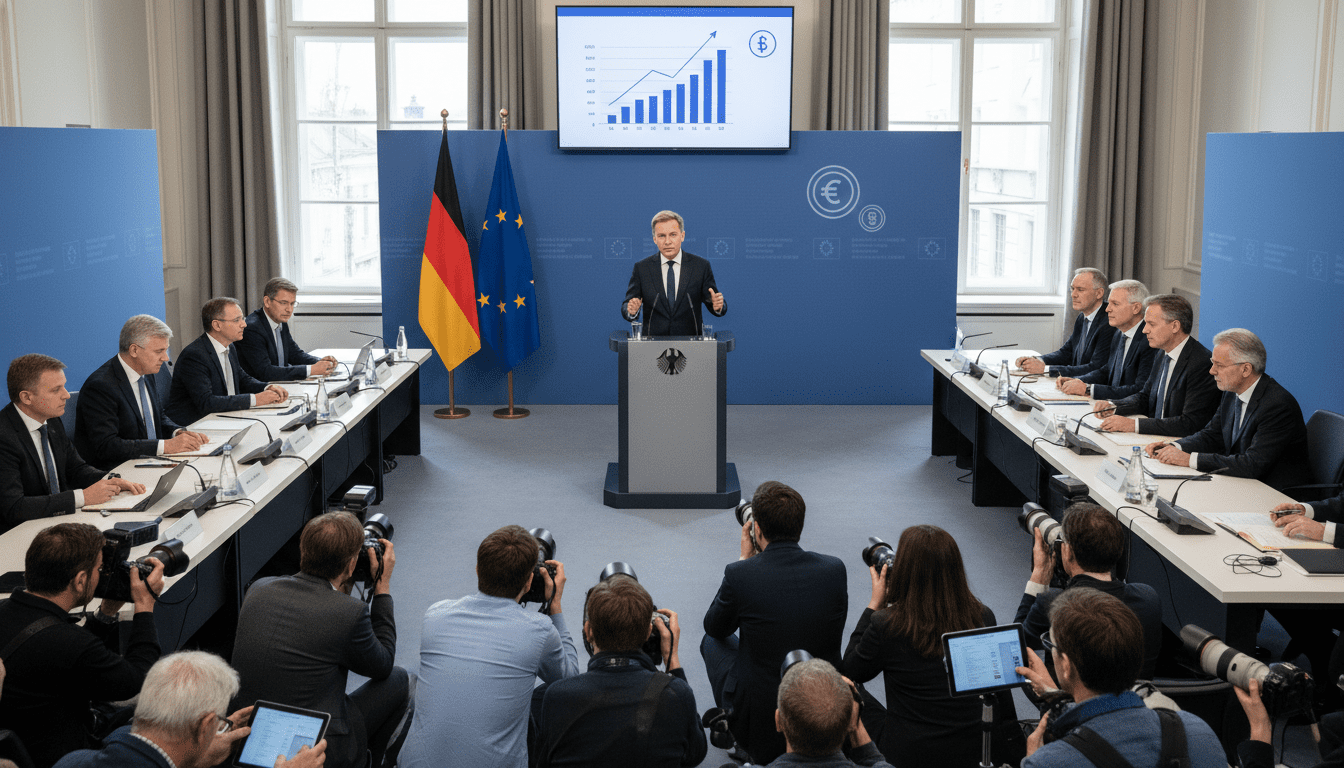
Germany Proposes Overhaul of Crypto Taxation, Ending One-Year Exemption
Germany’s finance minister proposes changing crypto taxation to remove the one-year tax exemption on private crypto gains, aiming to bring equity with stock earnings and raise billions.
On 2 May 2026, Federal Finance Minister Klingbeil signalled a plan to adjust Germany’s crypto taxation rules, targeting the long-standing one-year exemption that currently shields private cryptocurrency gains from income tax. The proposal seeks to treat gains from Bitcoin and other digital assets more like securities, ending a disparity that exempts large profits simply because an asset was held for twelve months or more. The change, if enacted, would be a major shift in German tax policy and could generate substantial additional revenue for the federal budget.
Current One-Year Rule and Its Effects
The one-year holding rule exempts private gains from “other economic goods” if sold after at least 12 months, creating a unique tax loophole for cryptocurrencies and collectibles. Under current rules, profits realised within one year are taxed at the seller’s personal income-tax rate only if total gains exceed €1,000 in the calendar year. This means identical gains from securities and bank interest are treated differently than profits from Bitcoin or luxury goods. Critics say the rule produces arbitrary outcomes where identical economic gains face divergent tax treatments based solely on the asset class.
Klingbeil’s Proposal and Stated Objectives
Finance Minister Klingbeil has argued the reform is intended to restore tax fairness between asset classes and modernise rules for digital assets. His proposal—announced publicly on 2 May 2026—would abolish or significantly reduce the one-year exemption for cryptocurrencies, aligning crypto taxation more closely with the rules that apply to stocks and interest income. Supporters within the ministry frame the measure as closing an outdated loophole and adapting tax law to the realities of a maturing crypto market.
Who Would Be Affected and How
The proposed change would affect a wide range of private holders, from small retail investors who buy Bitcoin as a long-term store of value to collectors trading high-value items like designer handbags or rare carp. Those who currently rely on the one-year rule to realise gains tax-free could face a new liability on profits previously untouched by income tax. Conversely, investors accustomed to taxed returns on equities would see parity with crypto, reducing an incentive that may have encouraged speculative or long-term hoarding of digital assets.
Fiscal Implications and Revenue Estimates
Officials and analysts say removing the exemption could yield significant additional revenue, with industry observers describing the potential take as “in the billions.” Precise estimates depend on the final scope of the reform, transitional rules and whether any holding-period alternatives or tax allowances are introduced. Finance ministry statements indicate the extra receipts could be used to ease pressures on other parts of the budget, but exact allocations would be subject to subsequent fiscal planning and parliamentary approval.
Debate: Fairness Versus Market Consequences
Proponents of reform emphasise fairness: similarly situated investors should face similar tax treatment regardless of whether their gains come from shares, savings or cryptocurrencies. Opponents warn that abrupt changes risk unsettling retail investors and could depress crypto markets by imposing retroactive or poorly timed liabilities. Tax practitioners also point to technical challenges—tracking acquisition and disposal dates across multiple wallets and exchanges, and coordinating rules for hard forks, airdrops and staking rewards—that will require clear administrative guidance.
Legislative Path and Next Steps
Any change to Germany’s tax code will require legislation and parliamentary debate, with details of implementation likely the subject of negotiation between the finance ministry and coalition partners. Key questions include the treatment of gains realised before the law’s effective date, thresholds for tax-free amounts, and administrative measures for reporting by crypto platforms. Lawmakers will need to balance revenue goals with legal certainty for taxpayers and workable reporting procedures for exchanges and custodians.
The proposed end to the one-year exemption marks a pivotal moment in Germany’s approach to crypto taxation, bringing long-held private-sale rules under renewed scrutiny as lawmakers wrestle with fairness, fiscal needs and the technical complexity of digital assets.
