
U.S. Officials Decline to Comment on Latest Iranian Proposals to Pakistan
U.S. silence follows fresh diplomatic outreach from Tehran, with the White House reiterating a firm nuclear stance while talks continue behind closed doors.
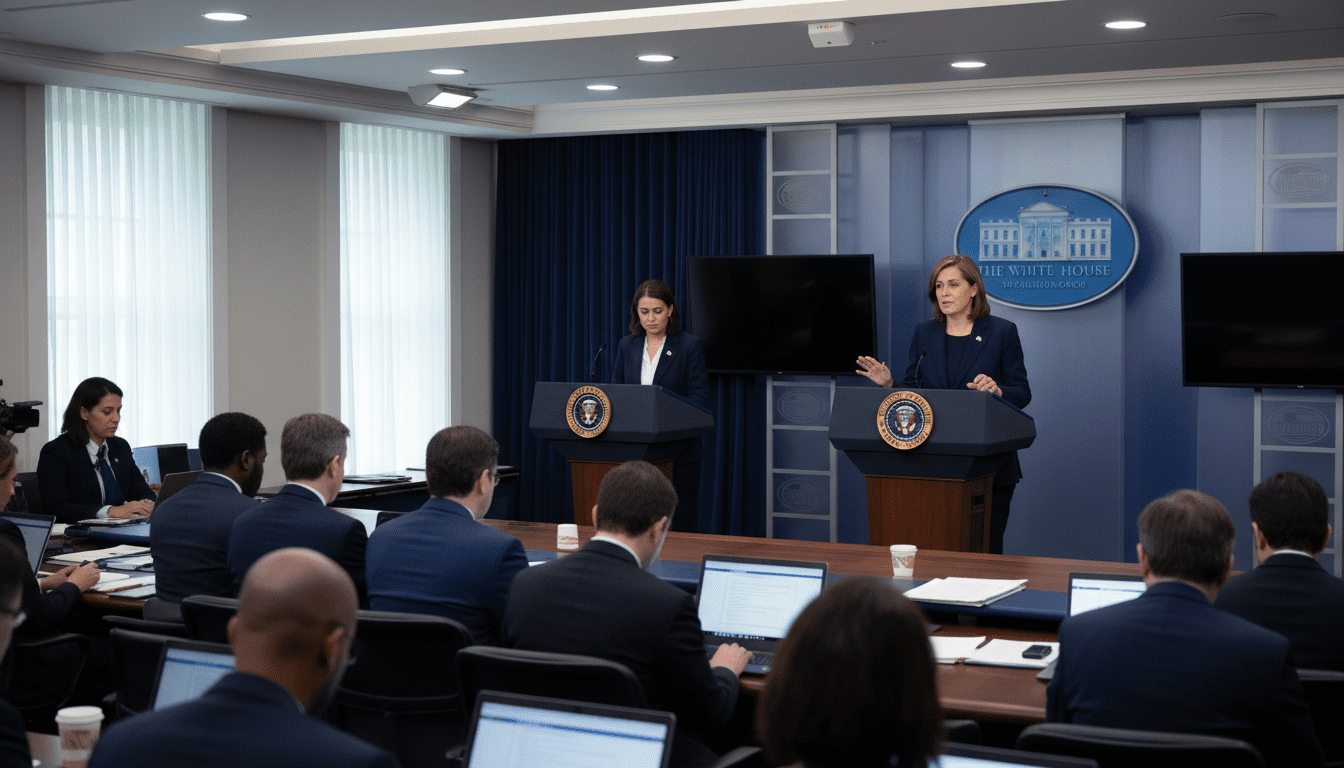
The U.S. government declined to comment publicly on the latest Iranian proposals to Pakistan, a development that officials say remains part of private diplomatic engagement. White House Deputy Press Secretary Anna Kelly told Reuters that the administration does not detail private diplomatic conversations, framing the matter as ongoing diplomacy rather than a settled negotiation.
The statement from the White House reiterated a long-standing policy that Iran must never acquire a nuclear weapon, while also saying negotiations are underway to protect U.S. national security in both the short and long term. Officials made clear that further specifics on the Iranian proposals submitted to Pakistan were not being released, underscoring the confidential nature of the exchanges.
U.S. officials decline public comment
Anna Kelly, speaking to Reuters, declined to expand on the content of the proposals or to confirm any meetings between U.S. and Pakistani intermediaries. Her remarks emphasized a reluctance to disclose private diplomatic conversations, a position the White House has maintained in similar contexts.
The refusal to comment leaves several substantive questions unanswered, including the scope of the proposals, Pakistan’s response, and whether any elements overlap with prior international discussions on Iran’s nuclear program. Analysts said the lack of public detail increases uncertainty but is not uncommon in high-stakes diplomacy.
White House reiterates nuclear non-proliferation stance
In her statement, Kelly echoed the administration’s firm stance that Iran must not obtain nuclear weapons, a policy that frames all U.S. engagement on the issue. That declaration serves as a touchstone for American negotiating objectives and is meant to reassure allies concerned about proliferation risks.
Officials described ongoing negotiations as aimed at ensuring both immediate and long-term U.S. national security, but did not provide a timeline or outline any specific negotiating platforms. The combination of a firm public posture and private diplomacy suggests the administration is balancing deterrence language with discreet efforts to manage the situation.
Pakistan’s role as recipient of proposals
The content provided to Pakistan reportedly represents a new round of Iranian proposals, though the U.S. has not confirmed the details of what was submitted. Pakistan’s involvement as a recipient places Islamabad in a sensitive position, mediating between Tehran and other parties while managing its own regional relationships.
Historically, Pakistan has been used at times as a channel for backchannel or third-party exchanges, given its geographic and diplomatic ties in the region. How Islamabad responds could influence whether the proposals are taken up in broader multilateral talks or remain within a limited diplomatic corridor.
Diplomatic confidentiality and strategic opacity
The White House’s reluctance to describe private conversations highlights a deliberate practice of strategic opacity in diplomacy. Officials often withhold granular information to preserve negotiating leverage, avoid inflaming domestic politics, or protect sensitive intelligence and sources.
That approach can, however, complicate public understanding and fuel speculation. Observers caution that while confidentiality may serve short-term negotiation goals, it can also increase mistrust if not paired with clear, later disclosures about outcomes or shifts in policy.
Potential regional security implications
Any new Iranian proposals submitted to Pakistan are likely to be watched closely by regional capitals and international institutions focusing on non-proliferation. Even absent public detail, the mere act of renewed diplomatic outreach can recalibrate security calculations among neighbors and allied powers.
Regional actors may interpret the proposals as signaling either a willingness by Tehran to engage on nuclear issues or as an attempt to shape diplomatic narratives without committing to verifiable steps. The ultimate impact will depend on whether the proposals prompt verifiable agreements, multilateral review, or remain part of exploratory talks.
Next steps remain unclear as talks continue
With U.S. officials declining to elaborate, the immediate next steps in response to the Iranian proposals to Pakistan are uncertain. Negotiations continue, according to the White House, but no schedule, forums, or additional participants were disclosed in the statement to Reuters.
Diplomats and analysts will be watching for any formal confirmation from Pakistan, further remarks from Washington, or signals from other regional capitals that would indicate movement toward broader diplomatic engagement. For now, the situation remains one of guarded diplomacy and careful public messaging.
The lack of public detail serves as a reminder that high-stakes international negotiations often proceed out of sight, and that official silence does not necessarily signal inaction.
