
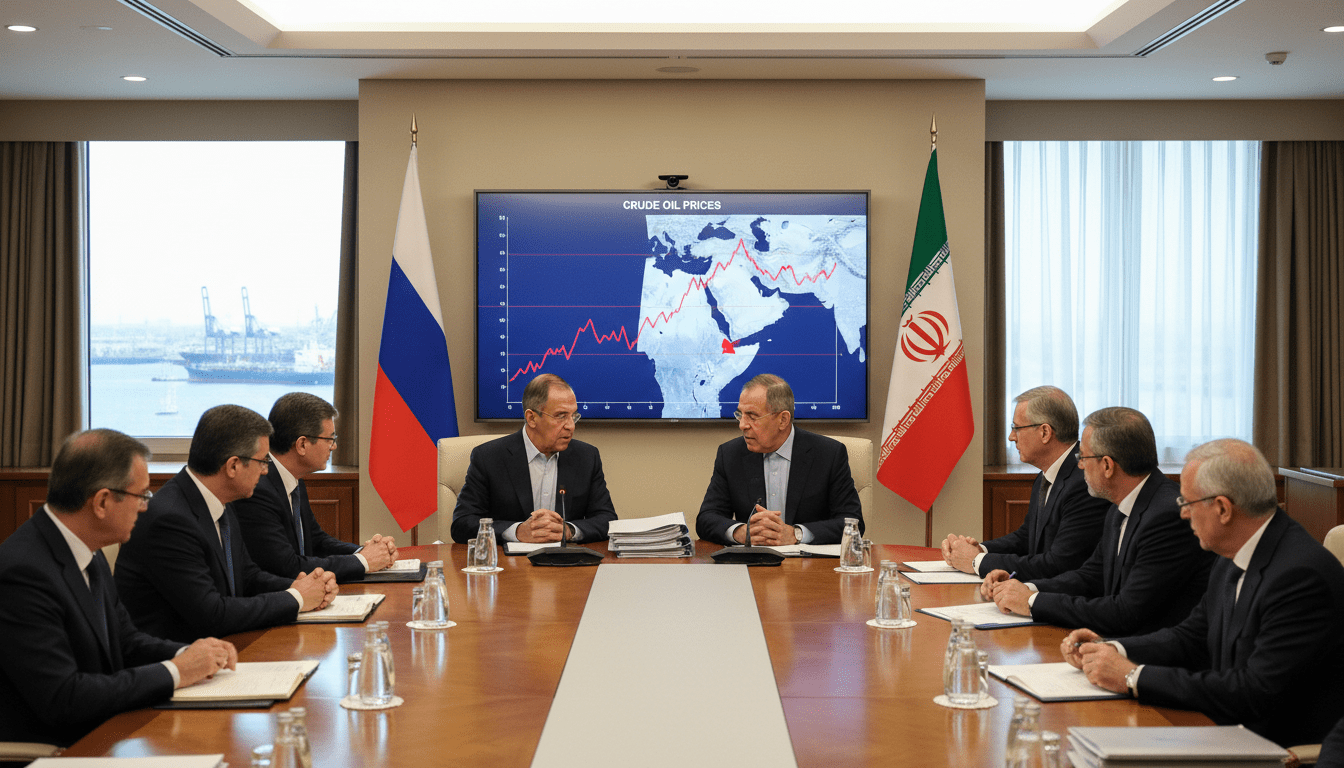
Strait of Hormuz Disruption Keeps Oil Above $107 as Iran-Russia Talks and Lebanon Crossfire Intensify
Global oil markets stay elevated above $107 as diplomatic engagement between Iran and Russia unfolds and the Strait of Hormuz blockade continues to threaten shipping and trade.
The Strait of Hormuz remains a focal point for diplomatic and military activity as Iran and international partners push to resolve a blockade that has kept oil markets on edge. Iranian negotiator Abbas Araghchi arrived in Moscow for talks with President Vladimir Putin, signaling an escalation in high-level diplomacy even as regional military exchanges persist. Analysts say the combination of diplomatic maneuvering and continued maritime risks has kept Brent crude prices above $107 per barrel.
Araghchi Meets Putin in Moscow on Regional Diplomacy
Abbas Araghchi’s arrival in Russia reflects a concerted diplomatic effort to address both the maritime blockade and wider tensions in the region. Officials described the meetings as focused on de-escalation, supply security and potential confidence-building measures with Russian mediation.
While Moscow framed the talks as part of broader regional consultations, participants emphasized the urgency created by interruptions to shipping through the Strait of Hormuz. Diplomats noted that progress remains uncertain and that any agreement would require coordination among multiple regional actors.
Pakistan-Backed Proposal Aims to Reopen Strait of Hormuz
A mediation proposal reportedly routed through Pakistan seeks to end the blockade and reopen the Strait of Hormuz to commercial traffic. The initiative, described by U.S. and regional sources, envisions reciprocal security guarantees and phased reopening tied to verifiable steps.
Negotiators say the plan could offer a roadmap to restore merchant flows, but observers caution that acceptance by all parties is far from guaranteed. Any implementation would likely require time-consuming verification mechanisms and international monitoring to reassure insurers and shipping companies.
U.S. and Allies Push Back on Public Negotiations
The White House has signaled frustration with public bargaining, stating that the United States will not negotiate “through the media” as official channels pursue discreet diplomacy. U.S. officials have maintained that talks must be conducted with clear diplomatic protocols and on-the-record agreements to avoid misinterpretation.
At the same time, U.S. maritime operations have physically impacted the blockade; American forces turned back dozens of vessels attempting to transit Iranian-held ports, an action officials say was intended to protect global trade routes. These operational moves have raised concerns about escalation and increased the stakes for any diplomatic breakthrough.
Shipping Risks Persist as UK Agency Warns of Gulf Threats
The UK Maritime Trade Operations unit and other maritime agencies have issued warnings about continued risks to commercial shipping in Gulf waters and adjacent sea lanes. Advisories cite ongoing interdictions, increased military activity, and potential attacks on maritime infrastructure as factors elevating insurer premiums and rerouting decisions.
Commercial tracking data indicates Iran moved an estimated 4.6 million barrels of oil despite the blockade, complicating efforts to measure the economic impact of port closures. Shipping firms and insurers are reacting with stricter routing, contingency planning, and higher costs that are being passed through to global markets.
Oil Prices Stay Elevated Above $107 as Markets Weigh Disruption
Oil benchmarks have held above $107 per barrel amid the combined effects of the Strait of Hormuz blockade, supply uncertainties and the prospect of broader regional disruption. Traders point to constrained tanker flows and the risk of extended closures as primary drivers of price stability at these elevated levels.
Market participants are watching diplomatic developments closely for signs of relief, but until shipping through the Hormuz corridor shows sustained normalization, volatility is likely to persist. Energy firms and refiners are adjusting procurement and logistics plans in response to both immediate disruptions and the prospect of prolonged uncertainty.
Cross-Border Fire Continues in Lebanon Despite Ceasefire Claims
On land, exchanges across the Israel-Lebanon border have continued, undermining tentative ceasefire assertions. Lebanese factions reported strikes against Israeli positions, while Israeli air operations in southern Lebanon struck installations that officials say were linked to militant activity.
Infrastructure damage has been reported in affected Lebanese towns, with power and water systems suffering hits that exacerbate civilian hardship. Hezbollah claimed responsibility for attacks on Israeli troops and armored assets, further complicating the security environment and reducing the room for rapid de-escalation.
Diplomatic efforts and military dynamics are unfolding in parallel, with negotiators pursuing a path to reopen the Strait of Hormuz even as cross-border incidents and maritime interdictions keep markets and regional capitals on edge.
The coming days will likely hinge on whether Moscow-led talks and Pakistan-mediated proposals can produce concrete steps to restore shipping through the Strait of Hormuz, and whether those diplomatic gains can be maintained amid ongoing hostilities in Lebanon and persistent operational pressure at sea.
