
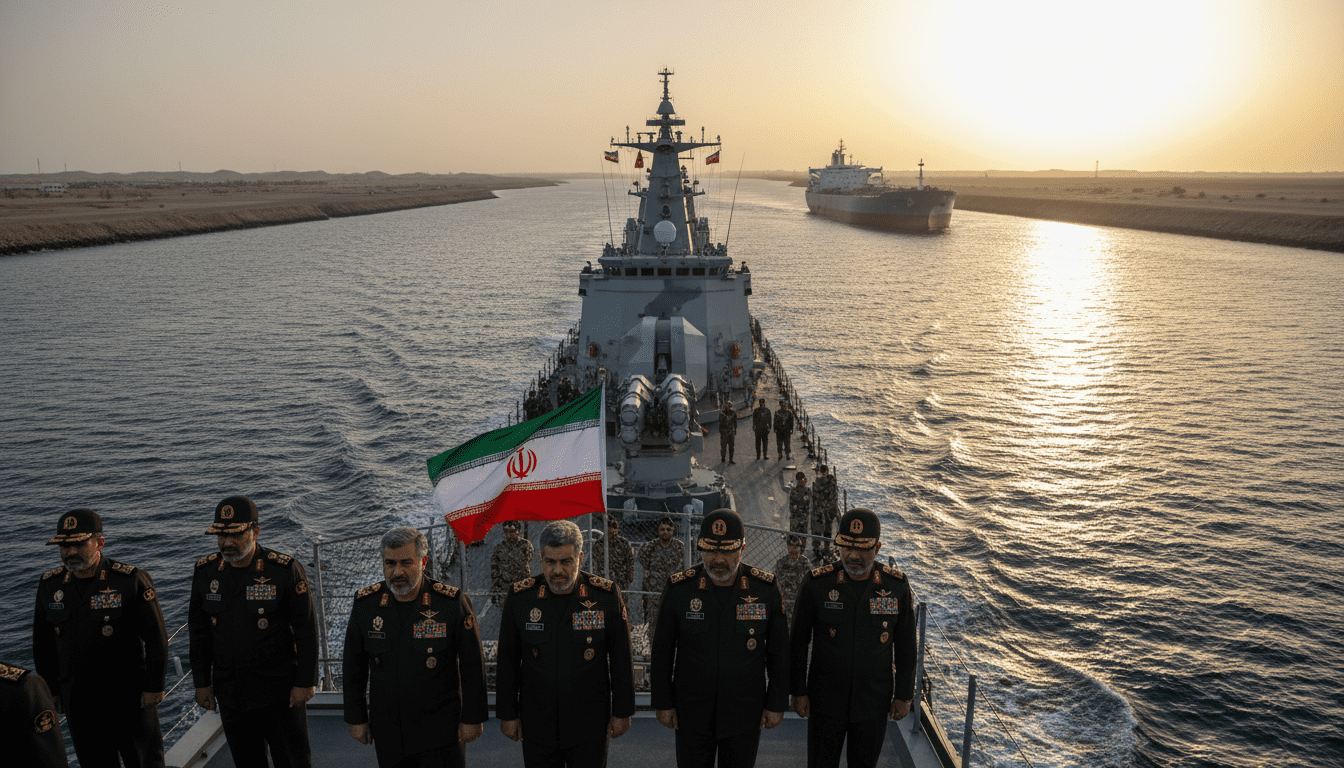
Iran Warns US Against Renewed Attacks, Vows Control Over Strait of Hormuz
Iran’s military warned the United States against further strikes and pledged to maintain management of the Strait of Hormuz, saying any new aggression will be met with a stronger response.
Iranian Armed Forces Issues Explicit Warning to US
The Khatam al‑Anbiya Headquarters of Iran’s armed forces released a statement carried by Tasnim news agency warning U.S. forces against renewing attacks in the region. The declaration said that continued U.S. “siege, banditry, and piracy” would provoke a reaction from Iran’s military apparatus.
The statement framed future strikes as likely to draw “more severe damages” and stressed that Tehran is monitoring American movements in the Gulf. It also reiterated Iran’s determination to preserve what it called management and control of the Strait of Hormuz.
Claim of Control Over the Strait of Hormuz
Iran’s message emphasized its ability and readiness to “manage and control” the Strait of Hormuz, the narrow waterway through which large volumes of global energy and commercial traffic transit. Tehran presented control of the strait as both a strategic objective and a defensive posture in the face of perceived external threats.
The language used by the military signaled that Iran intends to maintain a visible maritime presence and operational oversight of the waterway. Such assertions underscore the strategic importance Tehran places on the strait and its potential use as leverage in regional confrontations.
Use of ‘American‑Zionist’ Rhetoric and Military Posturing
The statement employed the phrase “American‑Zionist enemies,” a formulation Tehran has used in the past that links U.S. policies with those of Israel. That rhetoric is often intended to frame regional tensions in ideological terms and to rally domestic and allied support for a hardline stance.
Beyond rhetoric, the message included a clear military threat: Iranian forces said they were prepared to inflict greater damage if provoked. The combination of political language and operational warnings points to sustained readiness for escalation if hostilities resume.
Regional Maritime Tensions and Recent Incidents
The Gulf region has experienced recurring maritime incidents and interdictions that have increased naval tensions among regional and extra‑regional powers. Iran’s emphasis on the Strait of Hormuz follows a pattern in which maritime confrontations serve as both tactical maneuvers and strategic signaling.
Navies and coast guards operating in the area routinely monitor commercial traffic and military movements, and Tehran’s statement reinforces its intent to remain an active participant in that monitoring. Such activity raises the risk that routine interactions could escalate into confrontations if misinterpreted.
Implications for Shipping and Energy Routes
Any assertion of control over the Strait of Hormuz carries implications for global shipping and energy markets, given the waterway’s role as a transit route for oil and gas shipments. Even the prospect of disruptions tends to prompt commercial caution and elevated monitoring by insurers and maritime operators.
Shippers and energy firms typically diversify routes and contingency plans when geopolitical risks rise, but the geography of the Gulf limits alternatives for many cargoes. Continued threats and heightened naval activity can therefore translate into logistical complications and higher operational costs.
Diplomatic Signals and International Risk Assessments
Tehran’s warning will likely prompt diplomatic attention from regional neighbors and external partners concerned about stability in the Gulf. Governments and international organizations routinely assess such statements for intent and capability, balancing deterrence with efforts to avoid miscalculation.
Analysts will be watching for corroborating actions from Iranian forces or changes in the posture of U.S. and allied naval assets. Diplomatic channels may be used to reduce immediate tensions, even as military forces remain on alert and political leaders issue public statements.
Iran’s statement carried an unmistakable warning while asserting a long‑standing strategic objective regarding the Strait of Hormuz.
The coming days and weeks will show whether the rhetoric is followed by further maneuvers at sea or whether diplomatic engagement can reduce the risk of direct clashes between Iranian forces and U.S. or allied military assets.
