
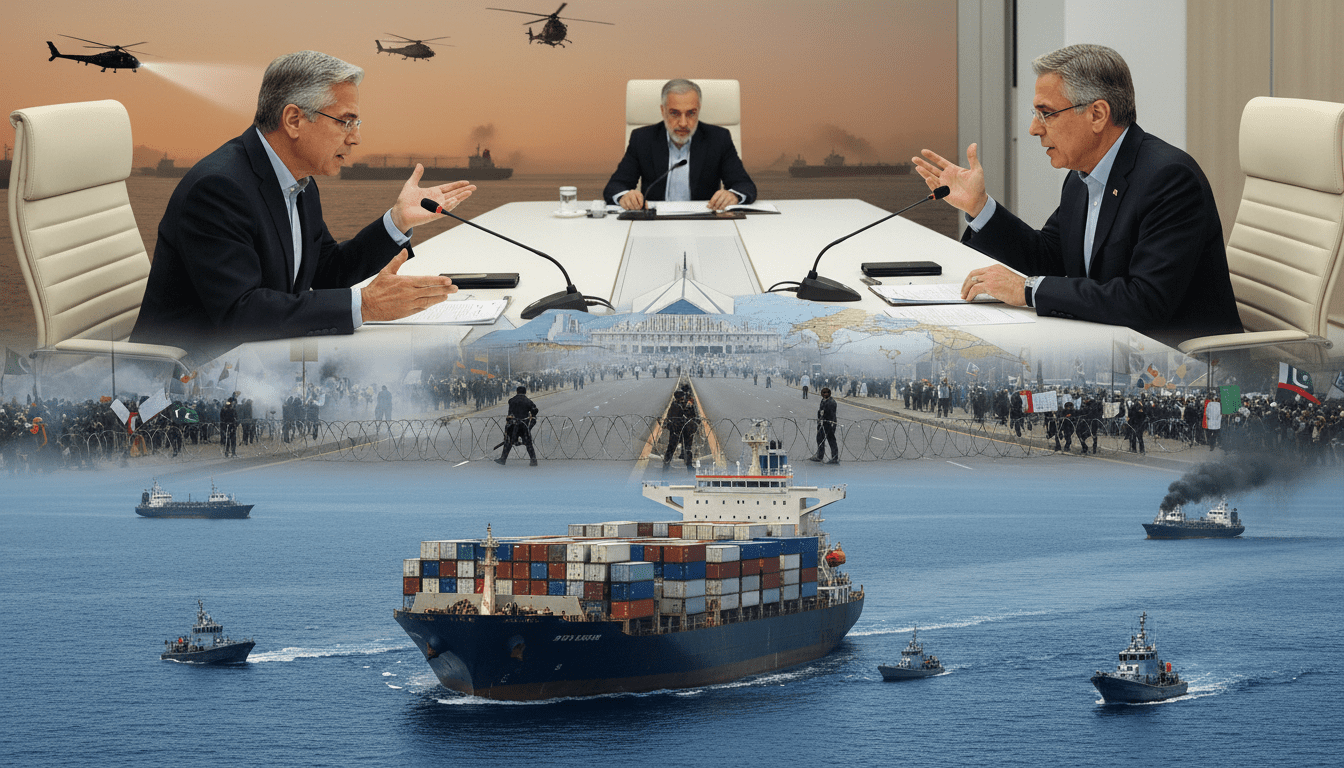
Hormuz crisis deepens as Islamabad locks down and US‑Iran talks stall
Hormuz crisis deepens as Islamabad locks down amid stalled US-Iran talks; shipping reroutes, Panama Canal fees jump and regional tensions threaten oil.
Diplomacy and military pressure are converging across the Gulf as the Hormuz crisis intensified while Islamabad entered a security lockdown and envoys arrived for sensitive discussions. US officials have arrived in Pakistan for talks that Tehran says will be conducted only through Pakistani intermediaries, leaving direct US‑Iran negotiations in limbo. The standoff has already disrupted shipping lanes, forced costly rerouting and reverberated through global energy and trade markets.
Islamabad Locks Down as Envoys Arrive
Islamabad enacted a citywide lockdown as foreign delegations, including US envoys, landed to press for de-escalation and mediation. Authorities limited movement near diplomatic quarters and transport hubs amid a tense security environment, officials said.
Pakistani officials framed the measures as temporary and preventive while they host international interlocutors, but the lockdown has complicated logistics for diplomats and media. The visible security posture underscores Islamabad’s central role in attempts to defuse the broader regional confrontation.
Diplomatic Talks Stall Amid Indirect Communication
Efforts at direct US‑Iran dialogue remain uncertain as Tehran reiterated it would convey positions through Pakistan rather than meet US envoys directly. That insistence has left negotiators describing progress as fitful and unpredictable.
Mediation efforts continue, but the indirect channeling of messages increases the risk of miscommunication and delays. Observers say the arrangement reflects Tehran’s reluctance to normalize direct talks while preserving leverage through regional actors.
Hormuz Crisis Forces Widespread Shipping Reroutes
Maritime traffic through the Strait of Hormuz — a strategic chokepoint for global oil flows — has been disrupted by heightened naval activity and security incidents. Thousands of sailors have been left stranded aboard vessels as operators reroute ships to avoid the strait, creating a backlog across major maritime arteries.
The diversions have extended voyages and raised freight costs, prompting shippers to seek longer and more expensive alternatives. The resulting congestion is stressing global supply chains already strained by recent geopolitical shocks and has prompted urgent contingency planning among commercial operators.
Panama Canal Fees Spike as Vessels Seek Alternatives
With many shipowners avoiding Hormuz, a significant number of vessels have opted for the Panama Canal as an alternative, driving up transit demand and fees. Canal authorities have responded by increasing charges for certain transits, with some published routes now carrying fees reported to approach multimillion-dollar levels.
The surge in Panama Canal usage reflects the broader economic toll of the Hormuz crisis; rerouting adds fuel consumption, time and scheduling complexity for cargo owners. Industry analysts warn that continued pressure on alternative routes could ripple into higher consumer prices and disrupted delivery schedules worldwide.
Washington Tightens Economic Pressure on Tehran
In parallel with diplomatic maneuvering and maritime disruption, Washington has intensified economic measures targeting Iran, ruling out further oil waivers and freezing Iran-linked assets. The US has announced the freeze of hundreds of millions of dollars in accounts tied to Iranian entities, a move aimed at constraining Tehran’s financial capacity amid the confrontation.
US officials describe the measures as part of a broader strategy to limit Iran’s ability to finance regional operations while maintaining leverage in any future negotiations. Critics caution such squeezes can deepen regional volatility and complicate back-channel diplomacy.
Military Posturing and Unused Capabilities in Tehran’s Arsenal
Iranian officials have publicly asserted that much of the country’s missile capability remains unused despite weeks of hostilities, signaling restraint coupled with the implicit threat of escalation. Statements from Tehran emphasized that remaining military capacity would be preserved as a deterrent.
Regional actors are reacting to those assertions with heightened readiness, and non-state groups have reported cross-border actions that widen the security footprint beyond Iran’s immediate vicinity. The combination of declared restraint and continued force deployments leaves risk of miscalculation elevated.
Spillover Violence Across Israel, Lebanon and Palestine
While the Hormuz crisis concentrates attention on maritime security, ground and air operations elsewhere in the region have continued. Israeli forces have carried out strikes in Gaza and the West Bank, and detentions in the occupied territories have increased, according to regional reports.
Hezbollah has claimed attacks in southern Lebanon, and Lebanese officials have warned against allowing the country to be used as a bargaining front. The expanding geographic scope of incidents underlines the interconnected nature of the crises and the potential for localized clashes to compound broader instability.
The unfolding Hormuz crisis has entered a precarious phase where diplomatic channels, economic coercion and military posturing overlap, increasing the risk of unintended escalation. As Islamabad facilitates mediation and shipping routes remain strained, international actors face the twin tasks of restoring secure maritime passage and re-opening reliable lines of communication to prevent further entanglement.
