
Iran missile capabilities largely untapped, Tehran says as domestic arms output expands
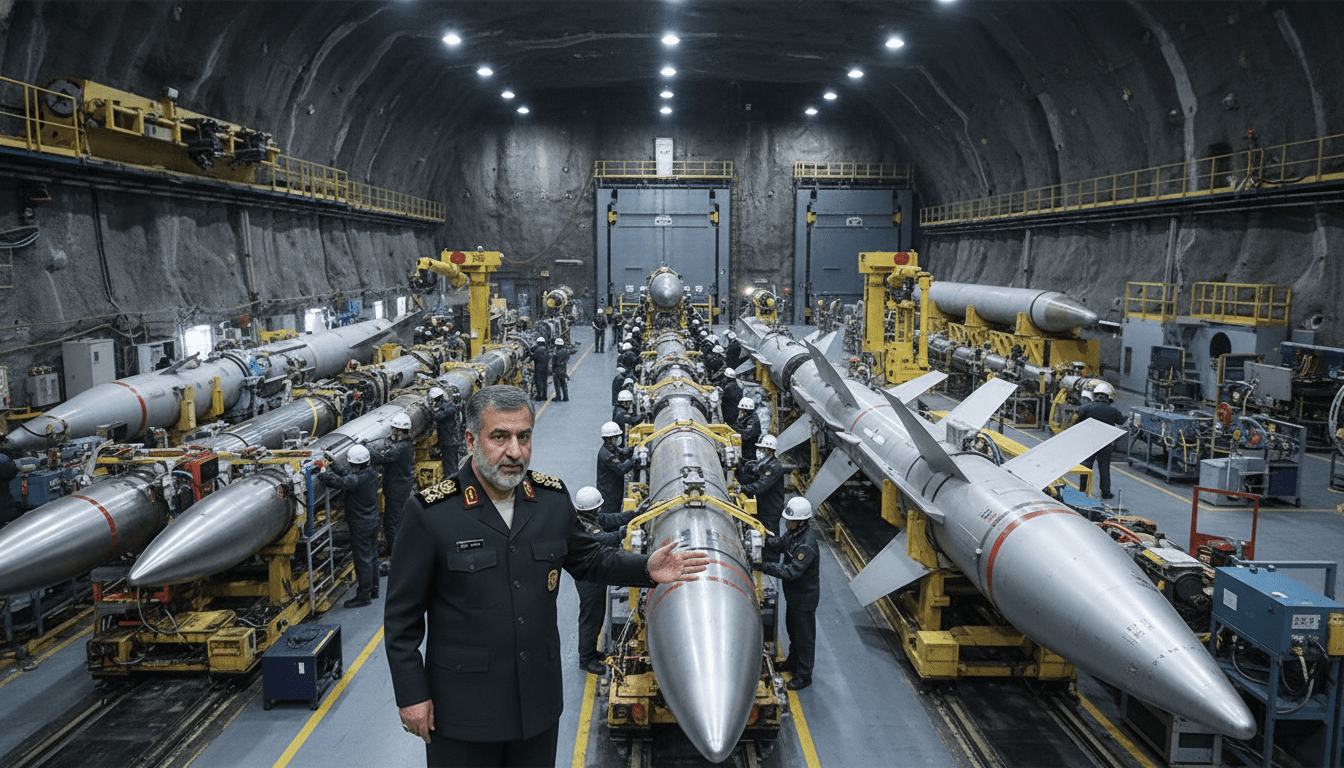
Iran’s defence ministry told state media that a large share of the country’s missile capabilities remains unused, while also highlighting the domestic production of more than 1,000 weapon types that are dispersed across the country. The ministry spokesman, Reza Talaei-Nik, said Iran retains a high level of defensive and retaliatory readiness after heavy engagement during recent clashes with the United States and Israel, according to Press TV.
Defense Ministry Says Most Missile Capability Is Reserved
The defence ministry asserted that only a portion of Iran’s missile inventory has been deployed, leaving substantial capacity in reserve. Spokesman Reza Talaei-Nik framed the undeployed weapons as a deterrent, underscoring Tehran’s ability to respond if further strikes occur. The statement aims to project strength while signalling restraint amid heightened regional tensions.
Domestic Arms Production Exceeds One Thousand Varieties
Officials emphasized that Iran now manufactures more than 1,000 distinct types of weapons and military systems, a figure the ministry presented as evidence of growing self-sufficiency. Production is reported to be distributed among thousands of companies nationwide, from state-run factories to private subcontractors. The defence leadership suggested this diffusion of production reduces vulnerability to targeted strikes on any single facility.
Distributed Manufacturing Reduces Vulnerability to Attacks
The ministry spokesman said the geographic and industrial spread of arms production would blunt the impact of damage to individual plants. By locating production capacity across multiple provinces and relying on a wide supplier base, Iran argues it can sustain output even if some sites are damaged. This strategy mirrors wartime mobilization practices designed to preserve military capacity under pressure.
Readiness After Engagements with U.S. and Israel
Talaei-Nik told state media that Iran has maintained a high level of defensive and retaliatory readiness despite being heavily engaged in recent incidents involving the United States and Israel. The comments followed a period of strikes and counter-strikes that regional actors described as some of the most intense in recent months. Tehran’s message framed its posture as defensive, aimed at deterring further actions against Iranian interests.
Strait of Hormuz Described as a Strategic Lever
The defence spokesman characterised the Strait of Hormuz as a “lever of control,” saying Iran has used its strategic position to influence developments in nearby waters. The narrow, energy-rich corridor has long been central to global shipping and regional military calculations, and Tehran’s ability to affect maritime traffic remains a focal point of international concern. Assertions about control over the strait are likely intended to remind foreign navies and commercial operators of Iran’s geographic leverage.
Regional and International Implications of the Announcement
Analysts say Tehran’s publication of its reserves and production capabilities seeks to shape perceptions abroad as much as to inform domestic audiences. By publicising both undeployed missile stocks and widespread manufacturing, Iranian officials may aim to deter future attacks and complicate potential adversaries’ planning. The message also raises questions for regional security: neighbours and extra‑regional powers must weigh whether to calibrate their military presence or pursue renewed diplomatic engagement.
Diplomatic Signals and Potential Responses
The defence ministry’s remarks will be scrutinised by partners and rivals for clues about Tehran’s next moves and its willingness to escalate or de-escalate. Countries concerned about threats to commercial shipping or military forces in the Gulf may intensify surveillance and consultations with allies. Meanwhile, calls for restraint from international organisations and third-party mediators are likely to grow if tensions remain elevated.
The ministry’s communication, framed through state media, blends operational claims with strategic signaling, emphasising both capability and control while stopping short of explicit new threats. The long-term consequences will depend on whether the disclosure prompts changes in regional military postures, diplomatic outreach, or efforts to reduce the risk of miscalculation.
