
Vance Pakistan trip delayed as Tehran’s silence stalls U.S. negotiation plans
Vance Pakistan trip delayed as Tehran’s silence stalls U.S. negotiation plans; Washington holds further talks while Iran cites contradictory U.S. messaging, leaving schedule uncertain.
The planned departure of Vice President J.D. Vance to Pakistan was delayed on Monday as the White House continued internal consultations ahead of a possible second negotiating round with Iran. U.S. media reported Vance remained in Washington instead of flying to Pakistan, a move that officials and news outlets tied to a lack of response from Tehran to U.S. negotiating positions. The delay has left the diplomatic timetable in flux and raised questions about whether and when talks might resume.
U.S. Delegation Departure Postponed
Reports from The New York Times and CNN indicated that Vance did not depart as scheduled and stayed in the capital for additional meetings at the White House. According to those outlets, the trip was to position the U.S. delegation for a second round of possible talks with Iran that were expected to take place in Pakistan. Officials cited by the media framed the pause as a temporary hold rather than an outright cancellation.
Journalists covering the matter also noted that several high-profile members of the intended delegation, including U.S. special envoy Steve Witkoff and Jared Kushner, remained in the United States. The disruption to the group’s travel plans intensified scrutiny of Washington’s next diplomatic steps and amplified attention on the signals being sent between the two capitals.
White House Consultations Intensify
Inside the White House, sources told reporters that a series of political consultations were underway that contributed to the delayed departure. Vice President Vance reportedly participated in additional briefings and strategy sessions, while senior officials, including Defense Secretary Pete Hegseth and Secretary of State Marco Rubio, arrived for related meetings. The presence of multiple cabinet-level figures underscored the administration’s desire to coordinate messaging and assess contingencies.
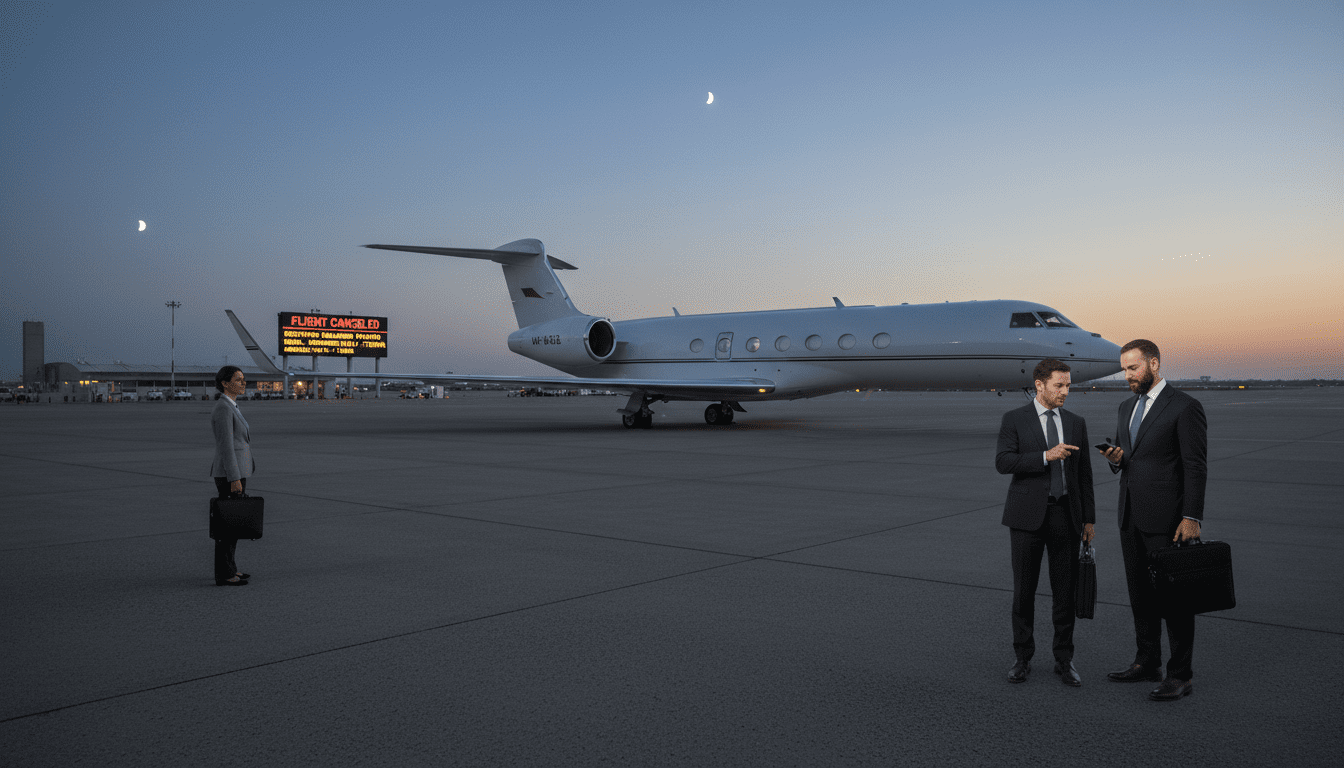
A plane that had been slated to carry members of the delegation from Miami to Pakistan was reported to have diverted to Washington, further complicating logistics. Those shifts reinforced that the decision to delay was being handled at top levels and reflected ongoing deliberations about the viability and timing of any resumed negotiations.
Iran’s Nonresponse Creates Diplomatic Impasse
Citing a U.S. official, The New York Times reported that the trip was put on hold after Tehran failed to respond to specific U.S. negotiating positions. Without a substantive reply from Iran, U.S. officials viewed the diplomatic process as effectively paused, even if they stopped short of formally cancelling the mission. The official added that the trip could be rescheduled if Iran provided responses deemed acceptable to the administration.
That assessment highlights the fragility of the emergent diplomatic channel and the importance Washington places on reciprocal engagement. It also suggests that the U.S. side sees Tehran’s engagement — or lack of it — as a gating factor for any further face-to-face diplomacy.
Tehran Blames U.S. Conduct for Stalemate
Iran’s foreign ministry publicly addressed the standoff on Monday evening, with spokesperson Ismail Baghai telling state broadcaster IRIB that the delay was not due to Iranian indecision. Baghai accused Washington of sending contradictory messages and engaging in unacceptable actions and unclear behavior that undermined progress. Tehran framed its posture as responsive to what it described as inconsistent U.S. signals rather than obstructionist.
The statement from IRIB represented Tehran’s effort to shift responsibility for the impasse onto U.S. policy conduct. That posture may be aimed at both domestic and international audiences as Iran calibrates whether and how to engage further through third-party venues such as Pakistan.
Logistics and Personnel Movements Highlight Uncertainty
The disrupted flight movements and the continued presence of key envoys in the United States illustrated the operational ripple effects of the diplomatic pause. Journalists tracking the delegation’s itinerary reported that assets intended for the trip were rerouted, and that senior figures remained available for additional consultations in Washington. Those details conveyed the practical complexity of mounting a high-stakes mission on short notice.
Observers noted that such last-minute logistical changes can signal either prudent caution or diplomatic confusion, depending on subsequent developments. The ability to reassemble a delegation and rebook travel will hinge on both political decisions and operational readiness should talks be resumed quickly.
Possible Paths Forward and Conditions for Resumption
U.S. officials have indicated the mission could proceed if Tehran responds in a manner acceptable to the administration’s terms, leaving open the possibility of a rapid restart. Any rescheduling would likely depend on a set of conditions that both sides define, and on assurances that a negotiated agenda and security arrangements are in place. Maintaining a viable channel while avoiding commitments that could be politically sensitive will be a balancing act for Washington.
Analysts say a resumption would require clearer signals from Iran and careful coordination among U.S. policymakers to ensure coherence across defense, diplomatic and political objectives. The coming days will be critical for clarifying whether the pause represents a temporary recalibration or a deeper setback to the fragile dialogue.
The delayed Vance Pakistan trip has underscored how tenuous the current U.S.-Iran diplomatic encounters remain, with progress dependent on reciprocal messaging and tangible responses that both capitals deem acceptable.
