
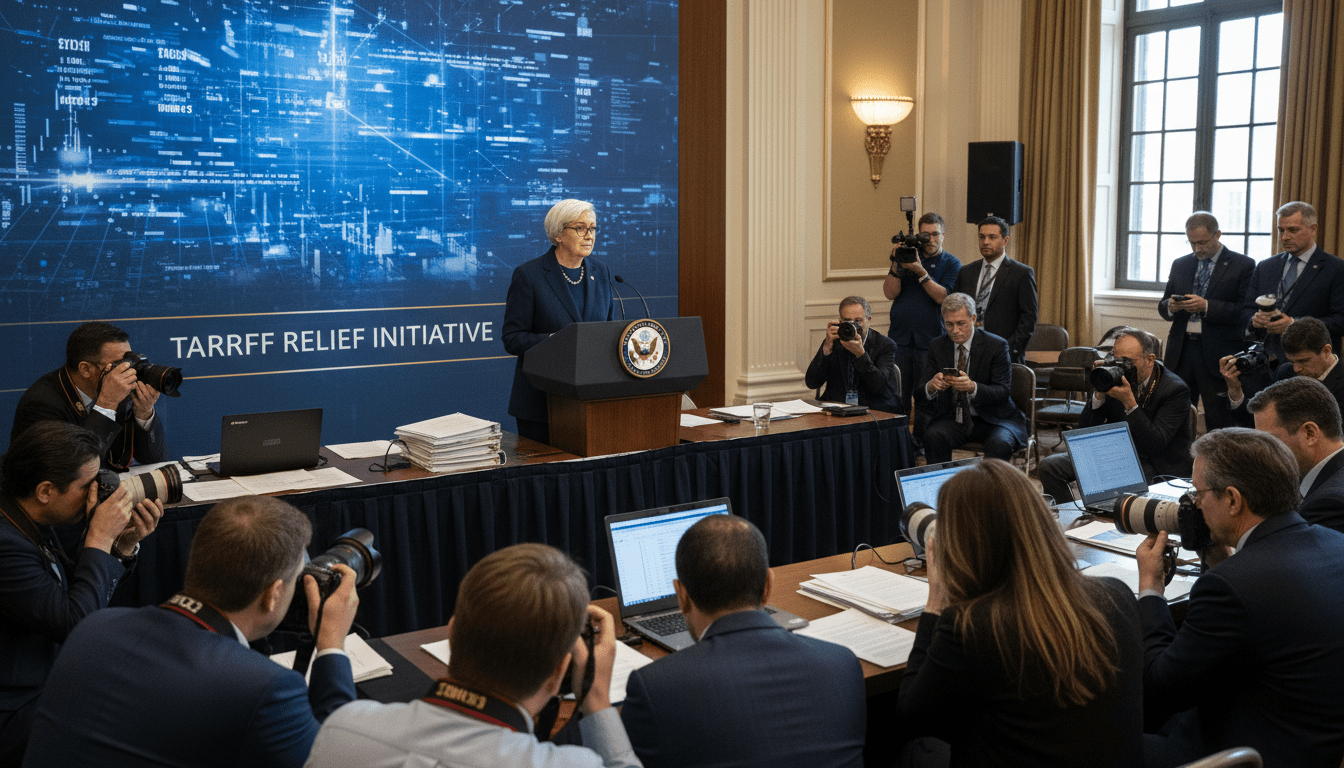
U.S. tariff refunds begin as agencies open claims for $166 billion
U.S. tariff refunds open after Feb. 20 Supreme Court ruling; CBP invites firms to apply for repayments from $166 billion collected, with claims under review.
The United States has opened its first formal procedures for U.S. tariff refunds after the Supreme Court ruled on February 20 that large portions of tariffs imposed under the Trump administration were unlawful. Customs and Border Protection (CBP) said companies whose import formalities remain open or whose goods entered the country within the past 80 days may now file for repayment. CBP expects approved claims to be paid within 60 to 90 days once individual cases are cleared.
Repayment process now available to eligible importers
CBP announced that the initial repayment window targets companies with unresolved entry paperwork and recent imports, creating an early path for refunds. The agency emphasized a tiered approach: immediate applications from those with open entries, followed by broader claim processing as internal procedures are completed. That phased rollout aims to manage the volume of requests while providing quicker relief to firms closest to finalizing their import records.
Companies whose imports were cleared less than 80 days ago can already seek reimbursement, according to the agency guidance. CBP also asked for and received procedural extensions from courts to set up the administrative systems needed to handle the influx of claims. Where applications are approved, settlements are to be issued within a two- to three-month timeframe.
Scale of claims and administrative workload for CBP
Court filings show that by April 9, nearly 56,500 companies had taken initial steps to seek refunds totaling roughly $127 billion. Those figures reflect filings up to that date and are expected to grow as more firms submit claims. CBP now faces the task of reviewing documentation tied to more than 53 million individual import entries into the United States.
The agency estimates that some 330,000 companies may ultimately be affected by the decision, highlighting the administrative burden ahead. Processing millions of entry records will require sustained staffing and technical resources, and CBP officials have warned that full resolution for all claimants may take months beyond the initial repayment windows.
Legal turning point: Supreme Court decision of February 20, 2026
The repayment effort follows the U.S. Supreme Court’s February 20, 2026 ruling that a large portion of tariffs imposed during the Trump administration exceeded legal authority. The court found that many tariff actions had not complied with statutory requirements, rendering them unlawful and subject to challenge. That ruling created a legal obligation for the government to return duties collected improperly.
Lawyers and trade experts say the decision establishes a precedent for challenging executive tariff actions that do not follow congressional authorization or administrative procedure. The ruling prompted immediate legal and administrative follow-up, including the court-authorized mechanisms for companies to recover sums paid at the border.
Financial implications for the U.S. budget and affected firms
The tariffs in question generated about $166 billion in revenue when first collected, and that sum is the baseline for potential repayments. The difference between the $166 billion collected and the approximately $127 billion in claims filed by April 9 suggests additional claims could extend the total recovery amount further. Treasury officials will need to account for large outflows as refunds are issued, raising questions about near-term impacts on federal receipts.
For importers and multinational firms, reimbursement could provide meaningful cash-flow relief after years of additional duty costs. Smaller firms, however, may face hurdles proving claims quickly; trade compliance specialists note that documentation of entries, duties paid, and brokerage records will be essential to support refund applications. The uncertainty of timing remains a significant concern for businesses that budgeted around higher import costs.
What companies must prepare and next steps
CBP’s guidance calls on importers to verify the status of their entries and assemble complete records before filing. Firms should confirm whether their customs formalities are open or closed, gather proof of duties paid, and coordinate with customs brokers to submit accurate refund requests. Companies already engaged in litigation or administrative appeals should consult counsel to align their positions with the new repayment process.
Trade associations have urged CBP to provide clear timelines and additional staffing to prevent a backlog that could delay payments for months. Agencies also face technical challenges in reconciling historic entries and payments across vast data sets, making prompt and precise documentation from claimants critical to expedite reviews.
The Supreme Court ruling and the resulting payout process mark a significant moment for U.S. trade policy and for the import community, as agencies and businesses navigate the logistics of returning substantial sums collected at the border. Firms seeking refunds are advised to act promptly, verify eligibility, and prepare full documentation to support applications under the CBP procedures now in force.
