
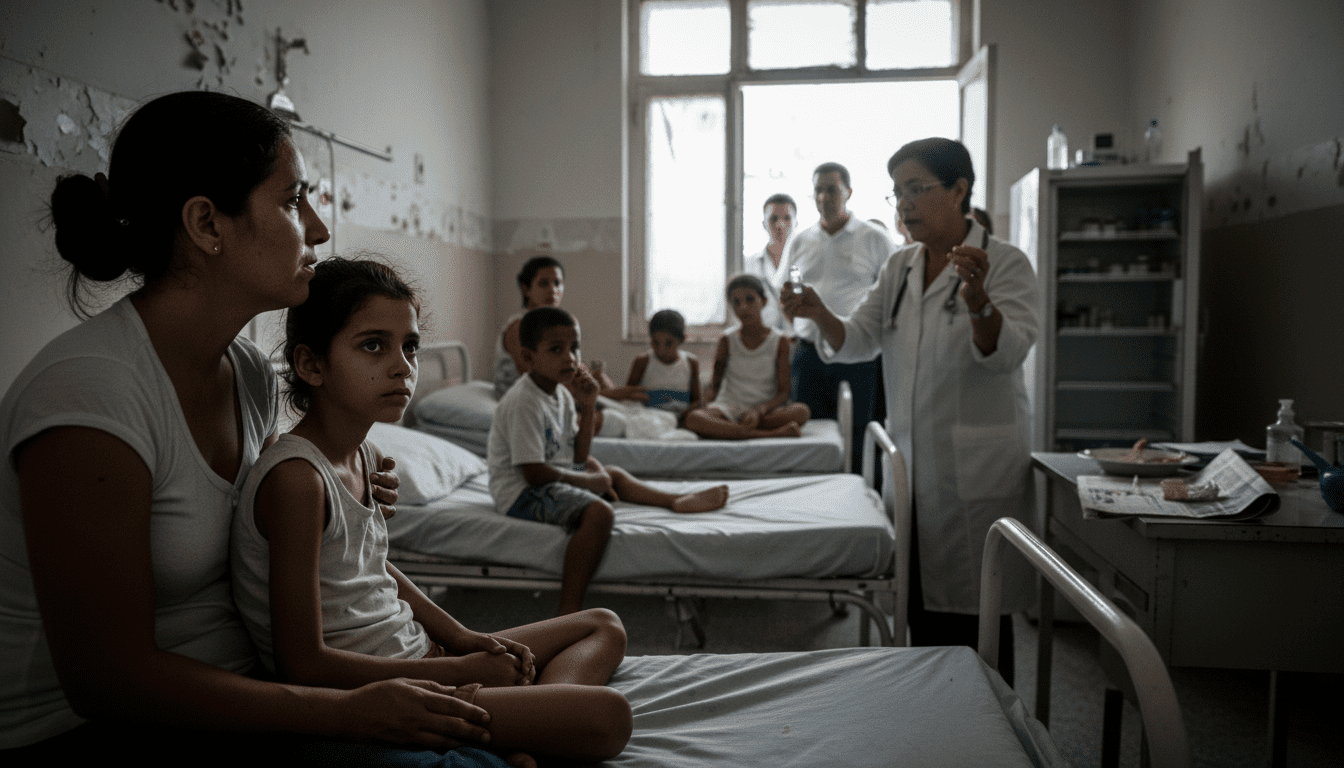
Cuba insulin shortage leaves parents of children with diabetes scrambling for lifesaving supplies
Cuba insulin shortage forces parents to ration doses, buy on black markets or rely on remittances as outages and supply gaps threaten diabetes care for children.
The emergence of a deep Cuba insulin shortage has forced families with children who have type 1 diabetes into desperate choices between food, transport and lifesaving medicine. Parents report recurring gaps in test strips, biosensors and insulin, while fuel shortages and rolling power cuts have compounded the problem by disrupting distribution and cold storage. Community networks, remittances and a growing black market have filled some gaps, but doctors and caregivers warn that the situation heightens the risk of severe complications and hospital admissions.
Parents report daily trade-offs and rising costs
Yohanna Lavarrere, mother of ten-year-old Yira, says her family had to rebalance every expense after the diagnosis in November 2024. Test strips and sensors required for regular glucose monitoring were not available at state pharmacies, and last-minute purchases on the informal market cost many times the official wage. Several parents described waking up unsure whether to buy food or supplies, illustrating the economic squeeze facing households caring for chronically ill children.
Shortages of medicines and consumables are widespread
Health facilities across the island have reported persistent shortfalls in medicines, chemicals and diagnostic equipment since 2024, with officials acknowledging major gaps by mid-2025. Families say four essential categories — insulin vials, refrigeration capacity, blood-glucose test strips and biosensors — are the most affected. Where insulin is available, quantities can be limited to a single ampoule per visit, far below monthly needs for many young patients.
Black market risks and doubts about authenticity
The collapse of official stock has pushed some families toward unofficial channels, but many fear the dangers of unregulated supplies. Parents like Yosbany Zúñiga refuse to buy injectable insulin on the street, noting that vials can be tampered with or substituted for water. Community complaints and a joint letter from parents to the health ministry in February warned that theft and illegal resale of scarce products could increase preventable complications among children and young people.
Regional disparities deepen pressures outside Havana
Families living beyond the capital report even harsher shortages and longer travel times to obtain care. In Mayabeque province, a mother said she was forced to give her son expired insulin when no fresh stock existed locally, after medical staff weighed the risk of giving old product versus withholding treatment entirely. Many rural households depend on relatives abroad to ship supplies, leaving those without external support at a pronounced disadvantage.
Power outages, cold-chain breaks and medical spoilage
Rolling blackouts and fuel constraints have not only delayed deliveries but also put insulin at risk once it reaches communities. Insulin requires refrigeration, and intermittent electricity can render doses ineffective or unsafe. Parents and clinicians describe instances where vials spoiled during transport or storage, creating additional anxiety and forcing families to decide whether to use compromised medicine under clinical advice.
Community organising and pleas to the health authorities
Affected parents have mobilised through messaging groups and coordinated appeals to the Ministry of Health, urging officials to stabilise the supply of diabetes materials for children and adolescents. The February letter from caregivers highlighted the “regular instability” of essential products and warned of rising hospital admissions if shortages persist. Some apothecaries provided sporadic relief in March, but families say the pattern remains unpredictable and fragile.
The intersection of economic strain, constrained logistics and the medical demands of type 1 diabetes has created a humanitarian squeeze for Cuban families who care for children with chronic conditions. Without sustained, reliable delivery of insulin, test strips and refrigeration, clinicians fear increases in preventable emergencies. Parents, clinicians and community groups are calling for immediate measures to secure stocks, protect the cold chain and prioritise vulnerable patients while longer-term solutions are sought.
