
Turkey says Iran and US willing to continue Iran-US talks as ceasefire deadline approaches
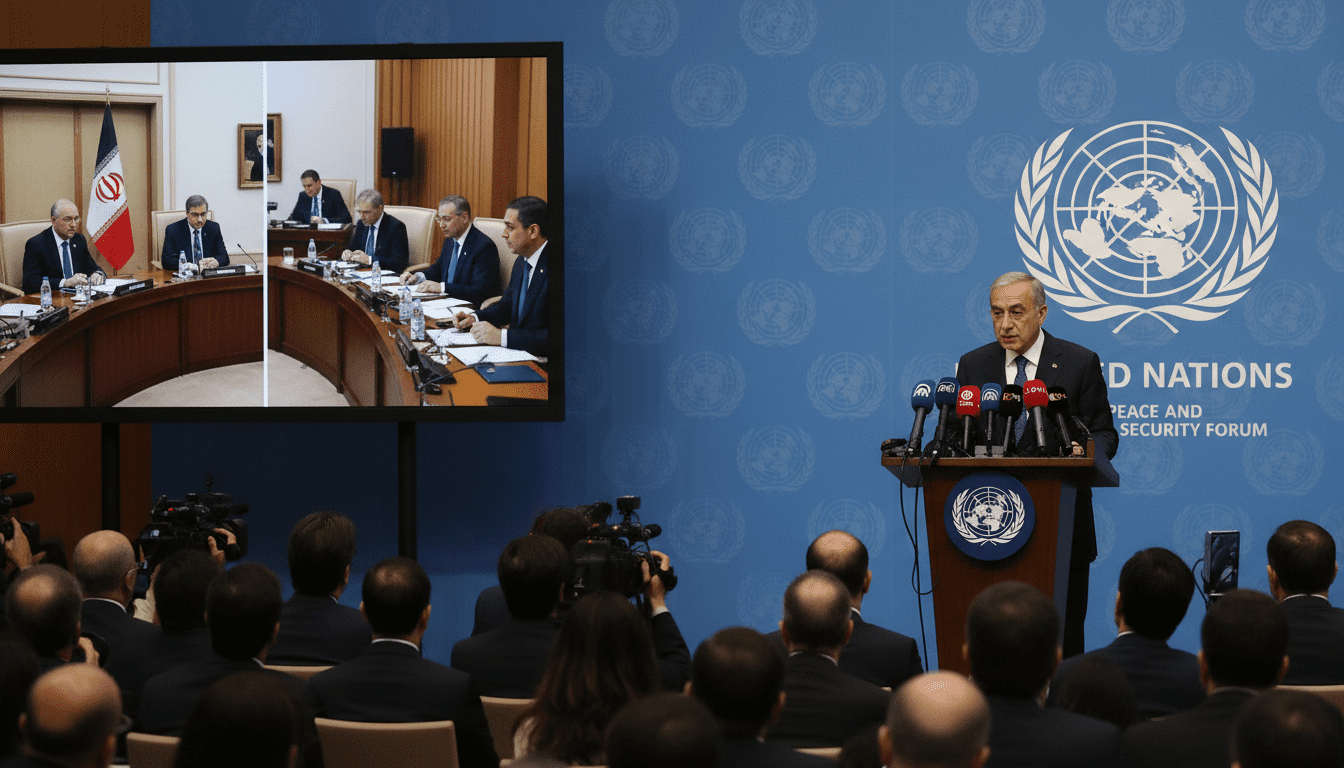
Turkey’s foreign minister Hakan Fidan said on April 19, 2026 that both Iran and the United States have the will to continue Iran‑US talks aimed at ending the war, and urged an extension of a ceasefire due to expire the following week. Fidan spoke to reporters at a diplomacy forum in Antalya and described the negotiations as “largely complete” while acknowledging outstanding disagreements. He called for the temporary pause in fighting to be prolonged to create space for a final agreement and humanitarian access.
Fidan’s statement at the Antalya diplomacy forum
Fidan outlined his assessment to reporters on Sunday at a diplomatic gathering in the southern Turkish province of Antalya. He said discussions between Washington and Tehran had advanced significantly but stopped short of declaring a full accord. The minister framed the talks as near completion while making clear that several issues still required resolution.
Status of the Iran‑US talks according to Ankara
Turkey’s foreign minister described the Iran‑US talks as largely complete, signaling progress in channels between the two capitals. He stressed, however, that negotiators had not yet bridged all differences, without listing the specific items remaining. The assessment suggests momentum exists but that negotiators will need additional time and political cover to finalize terms.
Ceasefire deadline and Turkey’s call for extension
Fidan also urged that the ceasefire, scheduled to expire the week beginning April 26, 2026, be extended to preserve the diplomatic window. He argued an extension would reduce civilian suffering and provide breathing room for negotiators to resolve remaining disputes. His call aligns with broader diplomatic efforts to prevent a resumption of large‑scale hostilities while talks continue.
Unresolved issues and diplomatic hurdles
While Fidan did not enumerate the exact disagreements, he acknowledged they were significant enough to require further negotiation. Analysts say typical sticking points in such high‑stakes talks can include prisoner exchanges, guarantees on force posture, sanctions relief sequencing, and mechanisms for verification. Resolving technical and political matters often requires parallel concessions and trust‑building measures from both sides.
Turkey’s role and regional implications
By publicly recounting the state of the talks, Turkey signaled its interest in supporting a negotiated outcome and stabilizing the region. Ankara has been positioning itself as a platform for diplomatic engagement and has an interest in preventing spillover and humanitarian crises. A durable agreement or extended ceasefire would likely ease pressure on neighboring states and reduce the immediate risk of wider regional escalation.
Next steps and international reactions
Fidan’s comments put pressure on both capitals to push through remaining negotiations and on other regional and international actors to support a diplomatic solution. An extended ceasefire would require monitoring and likely coordination among outside parties to ensure compliance and facilitate aid deliveries. How Washington and Tehran respond in the coming days will determine whether negotiators can convert the current momentum into a formal settlement.
The minister’s public remarks underscore that, despite progress, the path to a final agreement remains conditional and delicate. Extending the ceasefire could provide crucial time for negotiators to reconcile differences and deliver a stable outcome for civilians affected by the conflict.
