
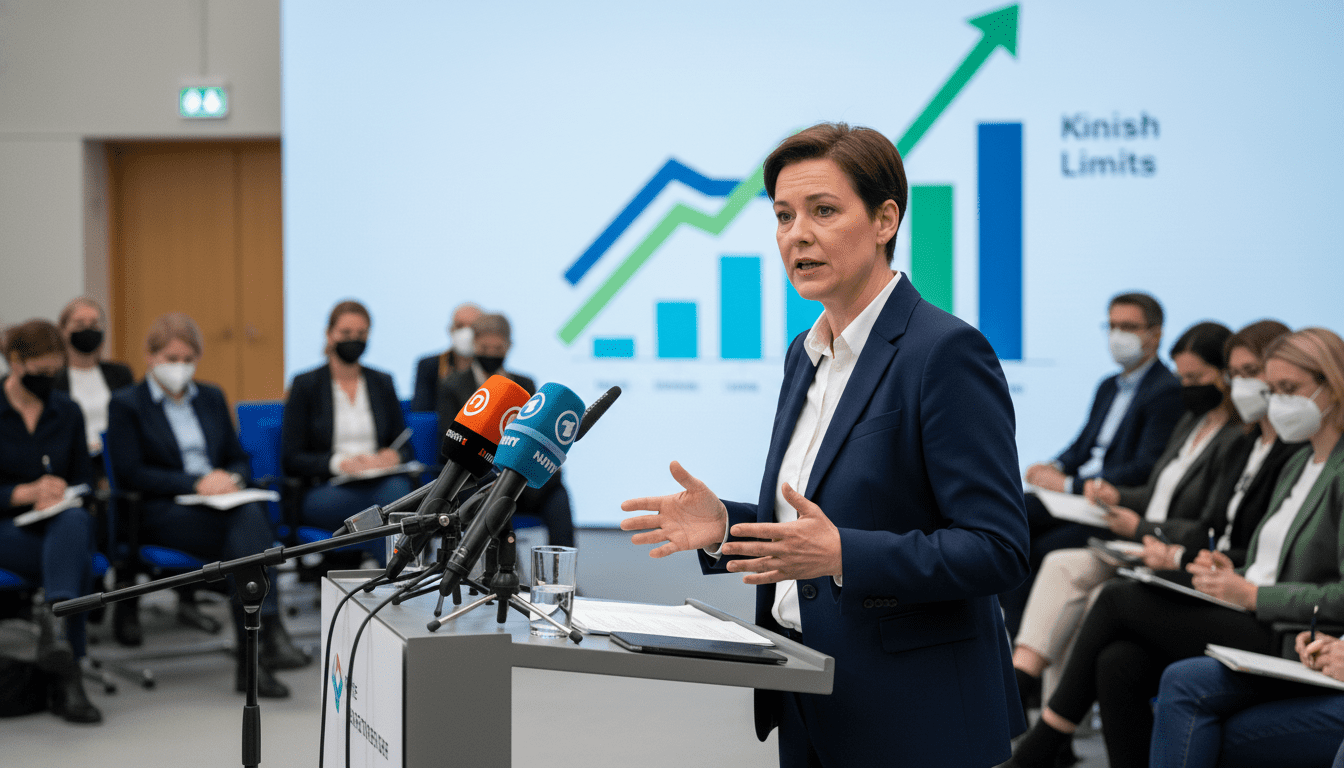
Health insurance contribution ceiling set to rise in Warken’s savings draft
German Health Minister Nina Warken proposes raising the health insurance contribution ceiling to shift more costs to higher earners, aiming to secure €2.4bn and cut €19.7bn from the health budget.
Germany’s health insurance contribution ceiling will be raised under a draft savings package by Health Minister Nina Warken, with the government saying the change will make higher earners contribute more to statutory health funds. The proposal, which uses the term health insurance contribution ceiling (Beitragsbemessungsgrenze), appears in a ministry draft that also projects broad cuts across the health system next year. Officials calculate the package will reduce health spending by roughly €19.7 billion, with the ceiling adjustment itself expected to yield about €2.4 billion.
Draft raises ceiling above standard indexation
The draft from the Federal Ministry of Health would increase the Beitragsbemessungsgrenze in addition to the planned annual adjustment that normally follows wage growth. Currently set at €5,812.50 per month, the ceiling limits the portion of income subject to statutory health insurance contributions. Under Warken’s plan, the cap would be lifted beyond the routine rise, bringing previously exempt income back into the contributory base.
Ministry economists argue the move broadens the contribution base and enhances what they describe as “contributory fairness.” The draft frames the adjustment as a targeted measure to secure recurring revenue from higher earners without changing nominal contribution rates for most insured people.
Revenue effect and wider fiscal target
Officials estimate the ceiling change will produce approximately €2.4 billion annually, a portion of a broader package that the ministry projects will cut or reallocate €19.7 billion in the health sector next year. That total reflects a mix of expenditure restraints and revenue measures intended to stabilise statutory health insurance finances. The ministry’s calculations appear in the explanatory notes accompanying the draft.
Budget documents distributed internally show a combination of one-off and recurring measures bundled into the reform. The ceiling adjustment is presented as a relatively quick revenue-raising lever compared with structural reforms that would take longer to implement.
Projected burden for higher earners and employers
The draft assumes an average supplemental contribution of 3.1 percent, and applies the higher contribution base so that individuals earning above the ceiling would see an increase in net deductions. The ministry’s model suggests the typical additional net burden for those affected would be around €26.55 per month, with employers required to bear the same amount for each employee. The cost would therefore be shared roughly 50/50 between employees and employers.
The change affects only income above the new ceiling and does not alter employer liability beyond the symmetric split on contributions. Insured people whose wages remain below the ceiling would not experience a direct increase from this particular measure, though the package contains other changes that could affect co-payments and coverage.
Additional spending controls and benefit changes
Beyond the ceiling adjustment, the draft contains measures aimed at curbing expenditures in outpatient practices, hospitals and the pharmaceutical sector. It proposes tighter limits on billable items and payment volumes for providers as well as negotiating levers intended to restrain pharmaceutical spending. The package also contemplates higher co-payments for certain prescription medicines and restrictions on the scope of spousal co-insurance that is currently contribution-free.
The ministry frames these steps as necessary to preserve basic coverage while stabilising the statutory health insurance funds. Critics are likely to scrutinise the proposals for potential impacts on access to care, especially if provider payments are reduced or if cost-sharing increases for patients.
Political timetable and expected debate
According to the draft, the reform package is scheduled for cabinet consideration on April 29, after which it would move through parliamentary processes if the government endorses it. That timetable allows for debate within coalition ranks as well as consultations with social partners including sickness funds, employer associations and trade unions. Medical associations and hospital groups have signalled in past debates that they will press for safeguards if funding or remuneration is tightened.
Parliamentary committees are expected to examine the legal and distributional consequences, and amendments are likely before any final vote. Legal challenges cannot be ruled out if stakeholders argue that benefit restrictions or contribution rules breach statutory protections or social insurance principles.
The draft’s combination of revenue and expenditure measures places political pressure on both government and opposition deputies to balance fiscal consolidation with health system performance. How quickly and comprehensively the proposals are implemented will depend on negotiations in the coming weeks.
The government will now move the text through internal review and stakeholder consultation ahead of the cabinet meeting, and further details on the exact level of the new ceiling and implementing rules are expected during that process.
