
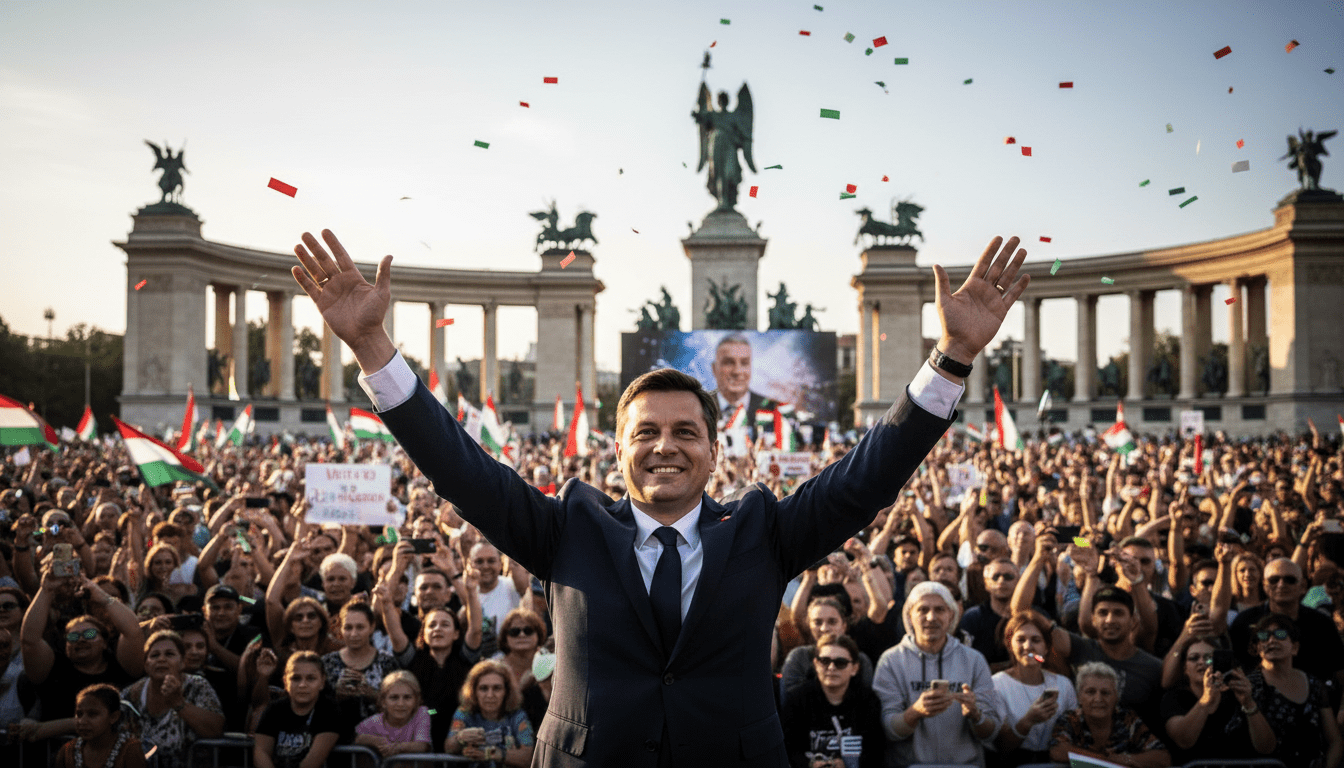
Péter Magyar Unveils Plan to Reshape Hungary After Historic Defeat of Viktor Orbán
Péter Magyar outlines a plan to dismantle Viktor Orbán’s entrenched rule after a historic election win, pledging democratic reforms and renewed ties with the EU.
Péter Magyar stood before Hungarian and international journalists the day after his unexpected victory over Viktor Orbán, presenting a concise blueprint for what he called a return to democratic norms. Magyar used the platform to frame his win as a mandate to reverse years of institutional changes and to restore civic freedoms, setting the tone for an immediate push on multiple fronts. The victory surprised many observers given the electoral architecture reshaped under Orbán, and Magyar signaled urgency while acknowledging the scale of the task ahead.
Magyar outlines immediate governance priorities
Magyar opened his remarks with a short list of priorities that he said would begin within weeks, not months. He emphasized restoring judicial independence, reforming the public media landscape, and repealing laws he described as designed to entrench one-party advantage. His office committed to presenting specific legislative proposals to parliament promptly, aiming to show rapid progress to supporters and skeptical international partners.
Campaign tactics that breached Orbán’s stronghold
Analysts point to Magyar’s relentless grassroots campaign as a decisive factor in the upset, with daily appearances in towns and villages that had long been overlooked by national leaders. He averaged numerous public events per day, often visiting places where previous senior politicians rarely appeared, and focused messaging on everyday economic and social concerns. That retail-style campaigning coupled with targeted outreach drew voters who previously felt disengaged from national politics and altered turnout dynamics in several regions.
Electoral system legacy and parliamentary arithmetic
Orbán’s administration had overhauled electoral rules and constituency boundaries to consolidate support, creating a complex legislative landscape for any successor. Magyar acknowledged those institutional barriers during his briefing and said his coalition would have to negotiate both procedural reforms and the distribution of committee posts to ensure legislative change. He also highlighted that successful reform will require not just raw parliamentary numbers but effective coalition management and transparent negotiation with smaller parties and independent lawmakers.
Domestic reaction and public expectations
Public response to Magyar’s victory was mixed, with jubilant supporters celebrating on city streets while others expressed anxiety about rapid policy shifts. Business groups cautiously welcomed the promise of legal certainty and restored EU relations but urged stability during transitions in regulation and state administration. Civic organizations pressed for immediate steps on corruption investigations and access to public information, setting fast-moving expectations that could test the new government’s capacity for quick, credible action.
European Union and international diplomatic signals
Magyar invoked the European Union flags displayed behind him and framed closer ties with Brussels as a central goal, promising to rebuild trust and resume constructive dialogue on funding and policy alignment. European officials and member-state diplomats will closely monitor his first cabinet appointments and the pace of legal reforms, with possible implications for EU budgetary and judicial conversations. Magyar’s outreach to the EU will be measured against how swiftly his government moves on reforms that Brussels has traditionally flagged as benchmarks for cooperation.
Policy roadmap and economic priorities
Beyond institutional restoration, Magyar signaled attention to everyday economic pressures, promising measures aimed at labor market dynamism, small-business support, and targeted social assistance for communities hit hardest in recent years. He described a balanced approach that would combine short-term relief with structural reforms intended to attract investment and reduce administrative bottlenecks. Finance and fiscal policy will be high on the agenda as the new government seeks to reassure markets while attempting to meet campaign promises.
Péter Magyar faces immediate operational challenges, including staffing a new administration, unravelling entrenched patronage networks, and maintaining unity among diverse coalition partners. The coming weeks will reveal whether his campaign discipline can translate into coherent governance and whether Parliament will permit the accelerated reform timetable he has outlined. Public patience is likely to be limited, and the new leadership will need to balance bold action with procedural legitimacy.
Magyar’s victory marks a pivotal moment in Hungary’s political trajectory, shifting the country’s direction after years under a single dominant leader. How he converts campaign momentum into sustainable reforms will determine whether this transition secures democratic institutions, stabilizes the economy, and restores deeper engagement with European partners. The next phase will test not only policy proposals and legislative skill but also the resilience of Hungary’s civic institutions and the electorate’s appetite for change.
